AKIO NARIMATSU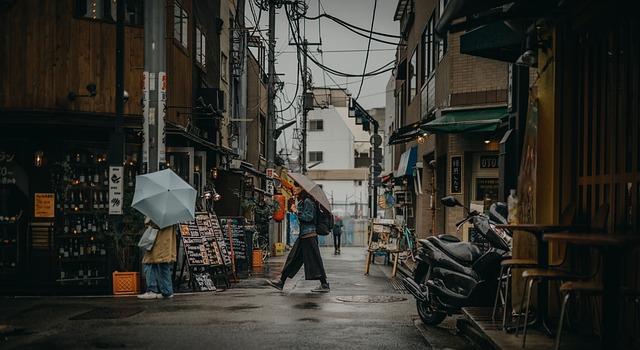
Quick Wins for Your Upcoming Tokyo Journey
- Embrace the “Underground Arteries”: During the humid transition from June to July, utilize Tokyo’s massive subterranean pedestrian networks (especially in Shinjuku and Tokyo Station) to navigate the city in climate-controlled comfort.
- The “Konbini” Hydration Strategy: Don’t just buy water; look for “salt lychee” drinks or electrolyte-heavy beverages in 7-Eleven or Lawson to combat the significant humidity-induced fatigue that catches most travelers off guard.
- Strategic Booking Windows: For high-demand experiences like the Ghibli Museum or TeamLab, set your alarms for the exact release minute (typically the 10th of the month prior). These are not “walk-in” friendly venues.
- Invest in Local Rain Gear: Skip the cheap plastic ponchos. Visit a Japanese department store or a “Loft” branch for a high-quality, lightweight “Wpc.” brand umbrella or ultra-light rain shell designed specifically for the Japanese climate.
The “Real” Problem: The Seasonal Friction Guidebooks Ignore
Most guidebooks present Tokyo as a static backdrop, a series of pins on a map that can be connected with simple lines of transit. The reality of traveling in late June and early July is far more physical. The genuine frustration isn’t finding the sights—it’s the cumulative fatigue of the “Tsuyu” (rainy season) humidity. Travelers often build itineraries that look perfect on paper but fail to account for the energy drain of navigating 20,000 steps a day when the air is thick enough to wear. The result is often a “vacation burnout” by day four, where the neon lights of Akihabara or the serenity of Meiji Jingu become chores rather than highlights.
Field-Tested Solutions and Insider Hacks
To navigate this period successfully, sophisticated travelers shift their focus from “ticking boxes” to “rhythm management.” Instead of a grueling march through every district, adopt a Hub-and-Spoke model. Choose one major neighborhood per day (like Shibuya or Ueno) and identify a “base camp”—usually a multi-story department store or a specific cafe—where you can retreat during the inevitable mid-afternoon downpours.
For those visiting the electronics mecca of Akihabara, the pro move is to avoid the main thoroughfare during the heat of the day. Instead, explore the interconnected department stores like Yodobashi Camera, which offers a microcosm of the district’s culture in a fully air-conditioned environment. If the rain persists, pivot your itinerary toward Tokyo’s “Indoor Wonders.” Museums in Ueno Park or the digital art installations in Toyosu are designed to be immersive escapes that turn a rainy day into a curated highlight rather than a logistical disappointment.
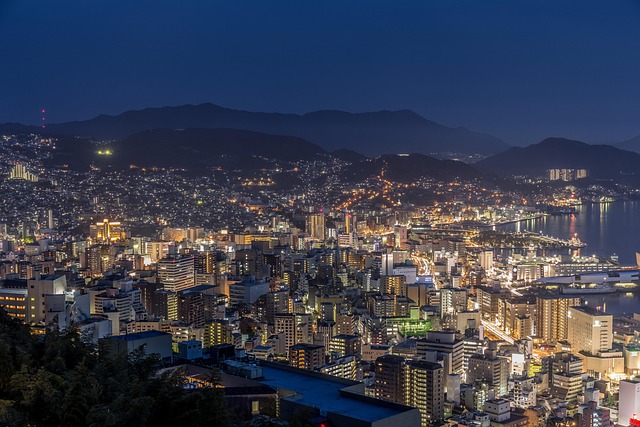
Another overlooked hack is the “Night-Owl Pivot.” During the transition into summer, Tokyo truly comes alive after 7:00 PM when the temperature drops. Reallocate your energy: spend your afternoons resting or enjoying a long, slow lunch in a high-rise “depachika” (basement food hall), and save your heavy walking for the evening when the city’s illuminated skyline provides a natural second wind.
The Insider Perspective: Finding “Ma” in the Chaos
From an industry standpoint, the most successful trips to Japan are those that respect the concept of “Ma” (the space between). In a city as dense as Tokyo, your itinerary needs “white space.” We often see travelers trying to squeeze Nikko, Hakone, and Kamakura into a ten-day window. My professional advice? Choose one. The logistical overhead of day trips during the rainy season is doubled by potential transit delays and the physical toll of the weather.
Ultimately, Tokyo in early summer is about sensory indulgence. It is the season of lush greenery in Shinjuku Gyoen and the specific, rhythmic sound of rain on temple roofs. If you stop fighting the weather and start integrating it into your plan—by prioritizing indoor cultural hubs and allowing for slower transit—you will experience a version of the city that is intimate, vibrant, and far more rewarding than any “perfect weather” photo could suggest.
KEYWORDS: tokyo rainy season, japanese street, travel planning
Photo: Pixabay / Pixabay License