AKIO NARIMATSU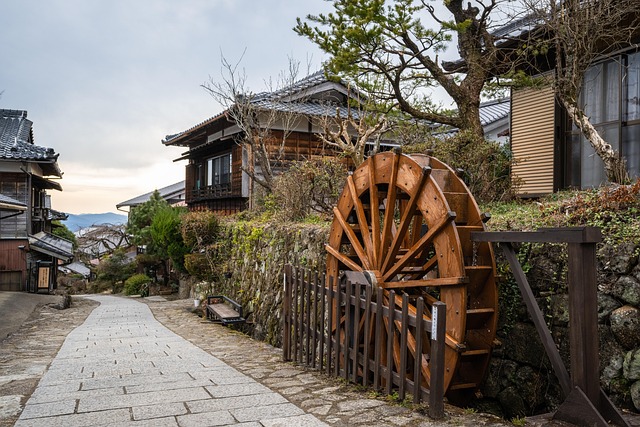
- Leverage the Same-Day Bag Forwarding Service: Between March and November, the tourist information centers in Magome and Tsumago offer a luggage delivery service. Drop your bags by 11:30 AM, and they will meet you at your destination inn by 5:00 PM, allowing you to hike the trail unburdened.
- Book Your “Limited Express Shinano” Seats in Advance: The Kiso Valley is served by the JR Chuo Line. While local trains are charming, the Shinano Express is essential for saving time. Use the JR West or JR East reservation portals to secure a window seat on the left side (traveling from Nagoya) for the best river views.
- The “Reverse Start” Strategy: Most day-trippers arrive in Magome around noon. By staying overnight in Tsumago and starting your walk toward Magome at 8:00 AM, you enjoy the trail in near-total solitude and reach the Magome boutiques just as they open.
- Download Offline Topographic Maps: While the trail is well-marked, the deep valleys can cause GPS drift. Having an offline map like Gaia or AllTrails ensures you don’t miss the subtle forest turnoffs that lead to the most scenic hidden waterfalls.
The Invisible Logistical Gap: What Guidebooks Forget to Mention
Standard guidebooks often paint the Nakasendo Way as a breezy, postcard-perfect stroll through time. They highlight the Edo-period architecture and the cobblestone paths but gloss over the punishing reality of rural Japanese transportation logistics. The “real” problem isn’t the physical hike; it’s the temporal window. Many travelers attempt to “wing it” from Nagoya or Tokyo, only to realize that missing a single local bus or a specific Limited Express train can result in a two-hour wait at a cold, rural station with zero amenities. This logistical friction often forces travelers to rush through the very villages they came to savor, turning a meditative pilgrimage into a frantic race against a train timetable.
Field-Tested Workarounds for the Nakasendo Explorer
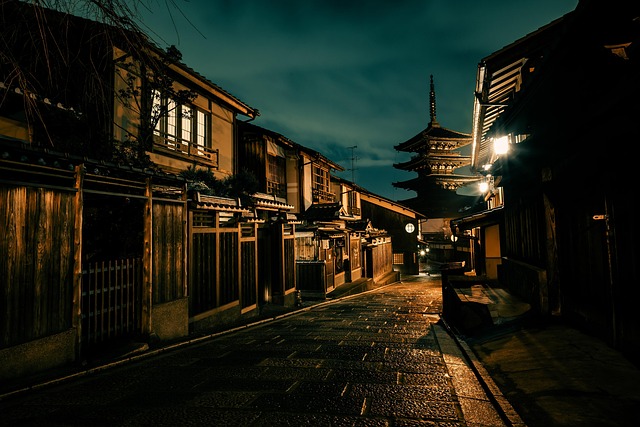
To truly master the 1.5-day Kiso Valley itinerary, seasoned travelers utilize a specific “Slow Arrival” hack. Instead of rushing to hike on your arrival day, plan to arrive in the Kiso Valley in the late afternoon. This allows you to experience the “Blue Hour” in the post-towns—that magical period after the gift shops close and the day-trippers depart—when the lanterns flicker on and the villages return to the 17th century.
Another insider secret involves the Nagiso Station transition. Many travelers get stuck waiting for the infrequent bus to Tsumago. Instead, consider the taxi stand located right outside the station exit. For roughly 1,500 to 2,000 yen, a taxi can whisk you to Tsumago in under ten minutes, potentially saving you an hour of standing on a concrete platform. Furthermore, if you find yourself with a few hours to spare before your train out of Nakatsugawa, skip the station waiting room and head to the local “Kurikinto” (chestnut sweet) shops nearby; they represent the true culinary heritage of the region and are far superior to generic station snacks.
The Insider’s Perspective: Why the Kiso Valley Requires a Different Mindset
From an industry standpoint, the Nakasendo represents the pinnacle of Japan’s “Slow Tourism” movement. The mistake I see most often is treating this region like a checklist of sights rather than a sequence of atmospheres. The 1.5-day model is the “Golden Ratio” of Kiso travel. It provides enough time to handle the inevitable weather shifts—it rains frequently in the mountains—without compromising your schedule.
Pro tip: Don’t overlook the stretch of trail between Tsumago and Nagiso Station. While most focus on the Magome-Tsumago section, this lesser-trodden path features the stunning Momosuke Bridge and authentic rural hamlets that haven’t been “beautified” for tourism. In the world of high-end Japan travel, the true luxury isn’t a five-star hotel; it’s the ability to walk for an hour through a cedar forest without seeing another soul. To achieve that, you must master the logistics before you ever lace up your boots.
KEYWORDS: nakasendo way, kiso valley, tsumago magome hike
Photo: Pixabay / Pixabay License