AKIO NARIMATSU
- Embrace the “Two-District” Rule: To avoid burnout, limit your daily exploration to two neighboring districts (e.g., Shibuya and Harajuku) rather than darting across the city.
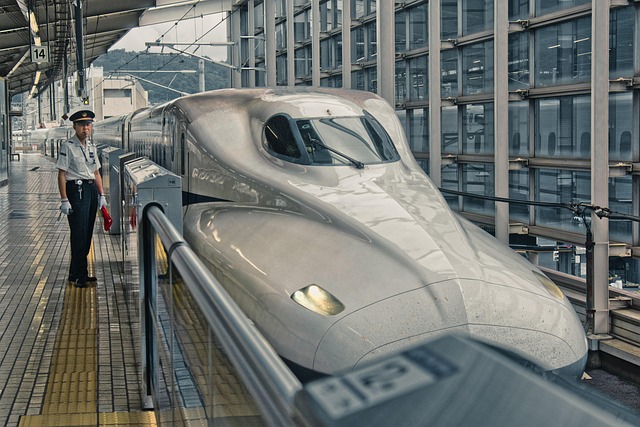
- Digitize Your Transit: Add a digital Suica or Pasmo card to your smartphone wallet before arrival to bypass ticket machines and move seamlessly through station gates.
- Master the “Takkyubin” System: Use luggage forwarding services to send your heavy bags from the airport to your hotel, or between cities, for roughly $15-$20—your back will thank you.
- Leverage the 10:00 AM Retail Standard: Most department stores and boutiques in Tokyo do not open until 10:00 AM; use your early mornings for shrines, parks, or Tsukiji Outer Market instead.
The Invisible Exhaustion of the Tokyo Scale
Most guidebooks present Tokyo as a series of vibrant snapshots: a neon crossing, a serene temple, a towering skyscraper. What they fail to mention is the sheer physical toll of “Tokyo Scale.” Travelers often plan their itineraries based on a map, assuming that because two points look close, they are easily reachable. In reality, navigating a major hub like Shinjuku or Tokyo Station can involve a twenty-minute walk just to find the correct exit. The genuine frustration for many first-time visitors isn’t finding something to do—it is the bone-deep fatigue that sets in by day three because they underestimated the 20,000 steps required daily to simply “exist” in the megalopolis.
Field-Tested Strategies for a Realistic Week
To conquer Tokyo in seven days without needing a vacation from your vacation, you must move away from “checklist” tourism and toward strategic clustering. The most successful travelers prioritize geography over highlights. For instance, dedicating a full day to the West Side (Shinjuku, Shibuya, Harajuku) saves hours of transit time compared to zig-zagging back and forth across the Yamanote Loop.
The “Buffer Day” Necessity
One of the most effective workarounds for the overwhelming pace of the city is the mid-week “Pivot Day.” Instead of scheduling a rigid tour for Day 4, leave it entirely blank. This allows you to return to a neighborhood you loved, sleep in to recover from jet lag, or take a spontaneous day trip to Kamakura or Yokohama if you find you have the energy. Flexibility is the ultimate luxury in a city as dense as Tokyo.
Navigating the Labyrinth
Seasoned visitors know that the “exit number” is the most important piece of information for any destination. Before leaving your hotel, don’t just look up the building; look up the specific station exit (e.g., A1, B3, Hachiko Exit). Emerging from the wrong side of a station can add thirty minutes of confusion to your journey. Using basement floors of department stores (depachika) for high-quality, affordable dinners is another insider hack to avoid the “decision paralysis” of finding a restaurant when you are already exhausted.
The Insider Perspective: Quality Over Completion
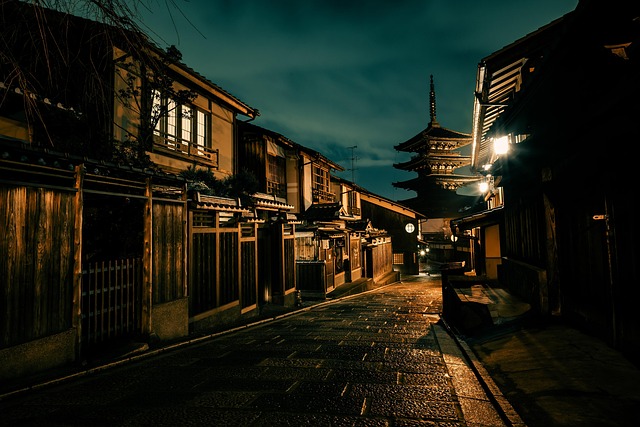
As someone who has spent years analyzing travel patterns in Japan, I can tell you that the most common mistake is the “completionist” mindset. Tokyo is not a museum that can be “finished.” It is an organic, shifting ecosystem. My advice to high-end clients is always the same: if you spend your entire week rushing to see the “Top 10” sights, you will miss the very thing that makes Tokyo magical—the quiet, narrow alleyways, the hidden third-floor jazz bars, and the impeccable hospitality of a neighborhood kissaten.
The secret to a perfect seven-day itinerary is subtraction. Remove one major sight from every day and replace it with an hour of sitting in a park or wandering a residential street in Yanaka or Daikanyama. You won’t remember the tenth temple you saw, but you will remember the specific way the light hit the vending machines in a quiet corner of Meguro.
KEYWORDS: tokyo city street, shibuya crossing, japan travel itinerary
Photo: Pixabay / Pixabay License