AKIO NARIMATSU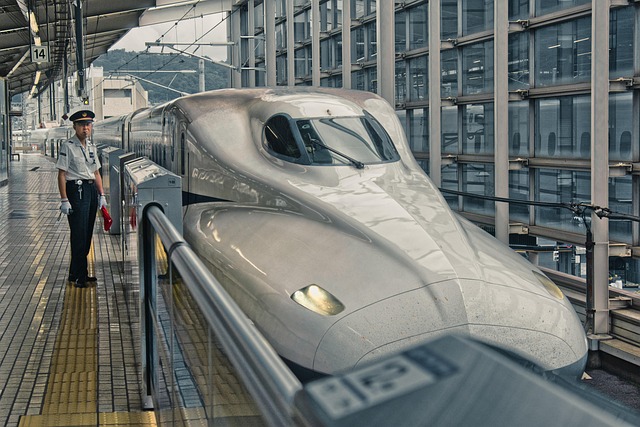
Quick Wins for Your Next Japanese Adventure
- Master the “Takkyubin” System: Never haul suitcases through train stations. Use luggage forwarding services to send your bags from one hotel to the next for a nominal fee, allowing you to travel hands-free.
- Digital IC Cards are Non-Negotiable: Add a Suica or Pasmo card to your smartphone’s digital wallet before you land. It eliminates the need to calculate fares at vending machines and works for everything from vending machines to convenience stores.
- The “One Major Site” Rule: For families, limit yourselves to one “must-see” landmark per day. Japan’s sensory input is high; over-scheduling leads to burnout by day four.
- Leverage the “Depachika”: When restaurant queues are too long, head to the basement of major department stores (like Takashimaya or Isetan) for high-end, ready-to-eat gourmet meals that satisfy everyone’s palate.
The Invisible Wall: Why the “Golden Route” Often Fails Families
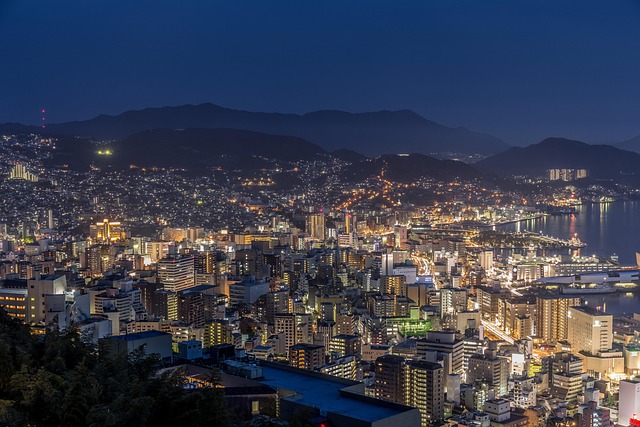
Most guidebooks present the “Golden Route”—Tokyo, Kyoto, and Osaka—as a seamless transition of cultural highlights. However, they rarely mention the logistical friction that grinds a family of four to a halt. The “real” problem isn’t the distance between cities; it is the sheer volume of walking required within those cities. A typical day in Tokyo can easily rack up 20,000 steps, much of it spent navigating the labyrinthine depths of Shinjuku or Tokyo Station.
When you add the cognitive load of interpreting exit signs and the physical strain of managing children in high-density crowds, the “dream vacation” can quickly devolve into a series of stressful navigational hurdles. The frustration doesn’t stem from a lack of things to see, but from the efficiency tax—the energy spent simply existing in a society designed for high-speed, solo commuters rather than groups of four moving at a leisurely pace.
Field-Tested Strategies for Seamless Movement
The “Hub and Spoke” Accommodation Model
Rather than switching hotels every two nights to stay “close to the action,” elite travelers use a hub strategy. Stay in Osaka for five nights and use it as a base for day trips to Kyoto, Nara, and Kobe. Osaka’s accommodations are often more spacious and budget-friendly for families, and the transit links are superior. This eliminates the “packing and unpacking” fatigue that destroys the momentum of a 10-day trip.
Solving the Dining Dilemma
Finding a table for four in Japan’s iconic, tiny eateries without a reservation is a recipe for hangry children. The workaround? Look for “Family Restaurants” (Famiresu) like Royal Host or Jonathan’s for breakfast and late-night snacks. While they lack the “prestige” of a Michelin-starred sushi bar, they offer localized comfort, English menus, and—most importantly—space. For lunch, pivot to the 10th or 11th floor of major train station buildings; these restaurant floors offer high-quality dining with much shorter wait times than street-level tourist traps.
The “Green Car” Investment
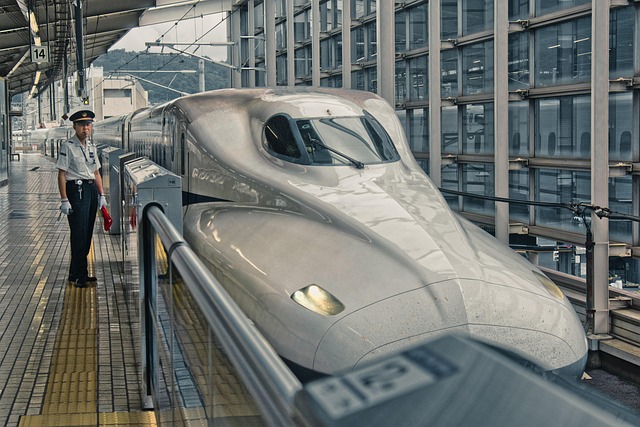
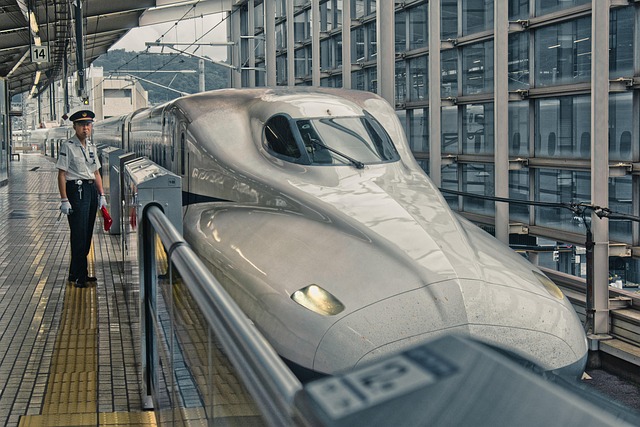
If your budget allows, upgrading to the Green Car (First Class) on the Shinkansen is the single best investment for a family of four. The extra luggage space and the guaranteed quiet environment allow the family to decompress between cities. It transforms a transit segment into a genuine rest period, ensuring you arrive at your destination recharged rather than depleted.
An Insider’s Perspective: Embracing the “Ma” of Travel
In Japanese aesthetics, there is a concept called “Ma”—the pure space or the gap between objects. From an industry perspective, the most successful itineraries are those that respect the “Ma” of travel. We often see families trying to “win” Japan by checking off every temple in Kyoto. In reality, Japan is best experienced in the quiet moments: the 15 minutes spent watching a local artisan, the serendipitous discovery of a neighborhood shrine, or a slow afternoon in a suburban park.
My professional advice is to resist the urge to over-optimize. Japan’s infrastructure is so precise that travelers often feel they must be equally precise. Don’t be. Build in “buffer days” where the only plan is to explore a single neighborhood. The most profound memories of Japan rarely happen in front of a landmark; they happen in the small, quiet spaces in between.
KEYWORDS: Japan family travel, Tokyo street, Shinkansen train
Photo: Pixabay / Pixabay License