AKIO NARIMATSU
- Adopt the “Hub and Spoke” strategy: Instead of switching hotels between Kyoto and Osaka, choose one as your base for the Kansai region. They are only 30 minutes apart by train; staying in one spot eliminates the “luggage drag” and hours wasted at check-in counters.
- Validate your transit timing: Standard navigation apps often underestimate the time it takes to navigate massive hubs like Shinjuku or Osaka Station. Always add a 15-minute “buffer” to any transfer involving a major station.
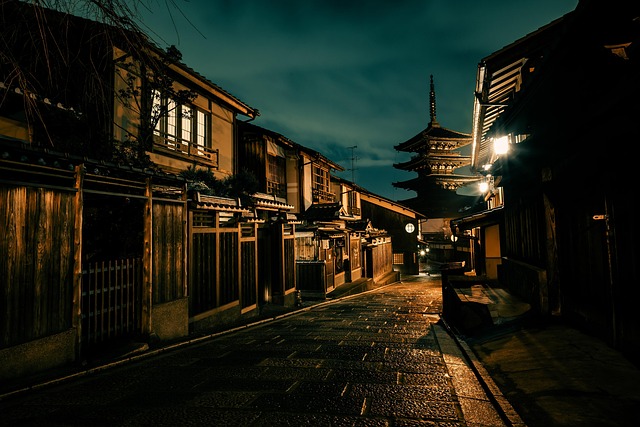
- Prioritize the “Morning Calm” in Kyoto: Arrive at iconic sites like Fushimi Inari or Kiyomizu-dera by 7:30 AM. By 10:30 AM, the atmosphere shifts from spiritual to commercial as the primary tour crowds arrive.
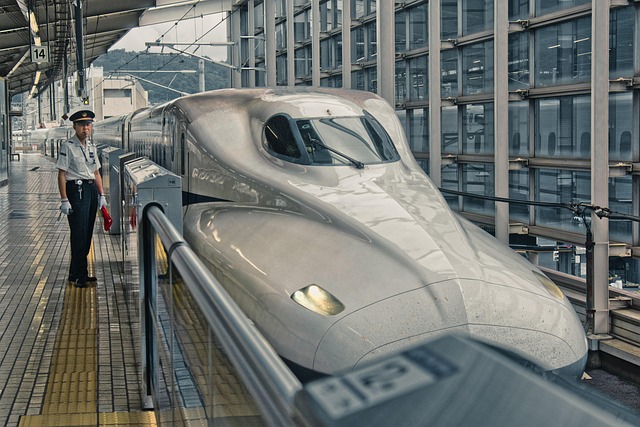
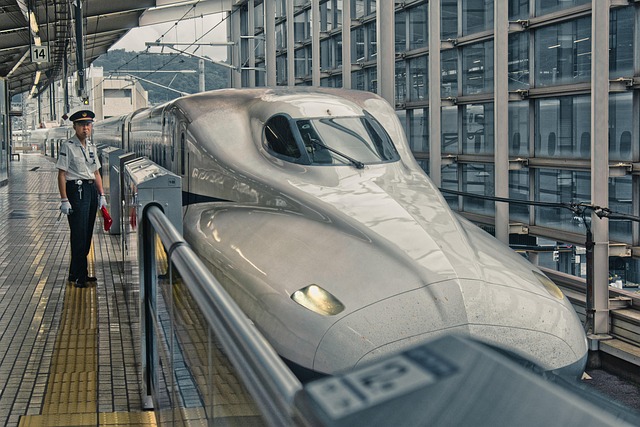
- Leverage the “Takuhaibin” service: Use luggage forwarding services to send your heavy suitcases from Tokyo to your next destination. This allows you to travel light on the Shinkansen and start sightseeing immediately upon arrival.
The Invisible Exhaustion of the Golden Route
Most first-time visitors to Japan fall into the trap of the “Golden Route” itinerary—a high-speed dash between Tokyo, Kyoto, and Osaka. While these cities are the crown jewels of the archipelago, guidebooks often fail to mention the logistical fatigue that sets in by day five. The genuine frustration isn’t a lack of things to see; it is the mental tax of navigating complex rail networks and the physical toll of packing and unpacking every 48 hours. Travelers often find themselves looking at a beautiful temple through a haze of exhaustion, more concerned with their next train reservation than the history in front of them.
Mastering the Kansai Triangle: Field-Tested Hacks
To avoid the burnout of constant movement, the most effective workaround is to re-conceptualize how you view the Kansai region. Many travelers believe they need three nights in Kyoto and two nights in Osaka. In reality, the most seamless experience involves anchoring in Kyoto for the duration of your time in Western Japan. Kyoto offers a traditional evening atmosphere that is unmatched, while Osaka’s vibrant nightlife and Dotonbori food scene are easily accessible via a quick, inexpensive local train ride.
When it comes to Nara, don’t treat it as a secondary destination. It is often the highlight of the trip, but it is best executed as a half-day excursion on your way between cities or as a dedicated day trip from Kyoto. By streamlining your “home base,” you gain back precious hours of relaxation that would otherwise be spent in hotel lobbies. Additionally, for those torn between the two metropolitan giants, remember that while Tokyo is a glimpse into the future, Kyoto is a doorway to the past. If your itinerary is tight, leaning heavier on Kyoto’s cultural depth provides a more balanced contrast to Tokyo’s neon-lit energy.
The Insider’s Perspective: The Art of the “Slow Burn”
In my years of consulting for inbound tourism, I have found that the most successful 11-day itineraries are those that leave intentional gaps. Japan is a country of “serendipitous discovery”—the tiny ramen shop down a side alley or the local festival you didn’t know was happening. If every hour is scheduled, you lose the ability to say “yes” to these moments.
The secret to an elite-level trip is recognizing that you cannot see everything. Instead of trying to “finish” Japan, focus on the rhythm of the journey. Spend your first four days in Tokyo to adjust to the time zone and the pace of the city. Spend the middle five days based in Kyoto, using it as a launchpad for Nara and Osaka. Finally, return to Tokyo for a final 48 hours of shopping and a high-end farewell dinner. This circular flow reduces stress and ensures that your final memories of Japan are of its beauty, not its transit maps.
KEYWORDS: kyoto temple, shinkansen train, japan travel itinerary
Photo: Pixabay / Pixabay License