AKIO NARIMATSU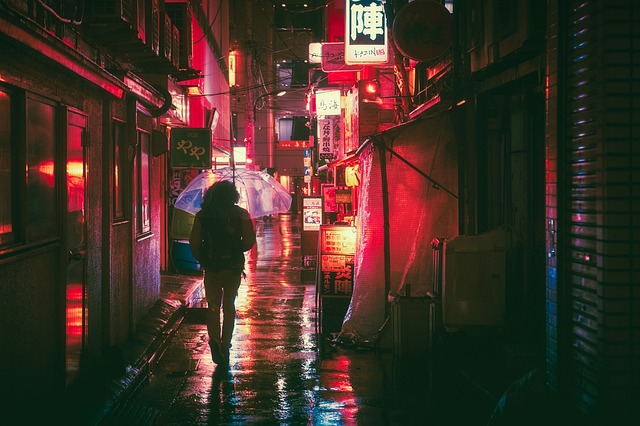
- Leverage the “Base City” Strategy: Instead of switching hotels between Osaka and Kyoto, book a single stay in Osaka near Umeda or Namba station. You can reach Kyoto in under 30 minutes, saving you hours of packing and transit time.
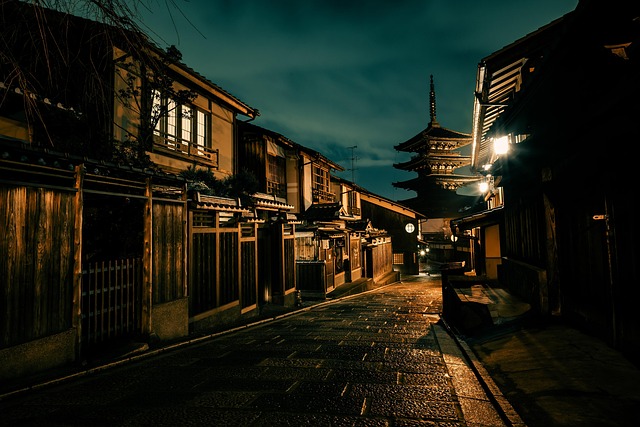
- The 7:00 AM Rule: To experience icons like Fushimi Inari or the Arashiyama Bamboo Grove without the crushing crowds, you must arrive by sunrise. By 9:30 AM, these sites transform from spiritual retreats into congested corridors.
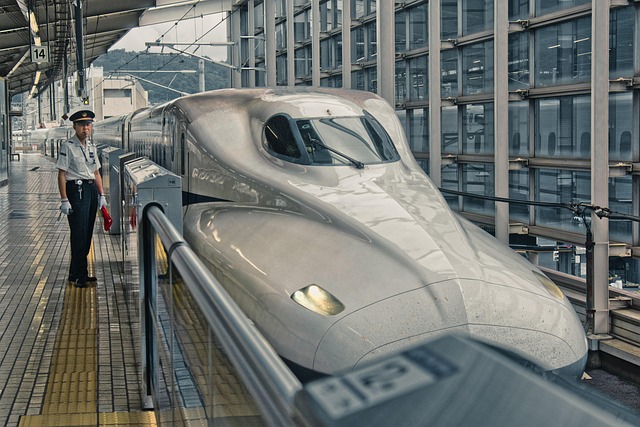
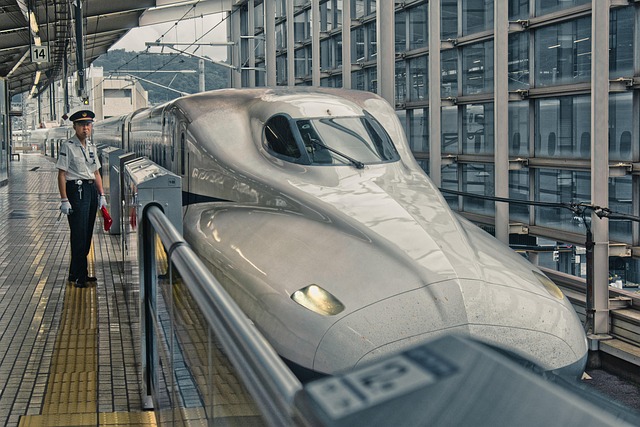
- Utilize Hands-Free Travel: Use Takkyubin (luggage forwarding services) to send your large suitcases between Osaka and Tokyo. For a nominal fee, your bags will meet you at your next hotel, allowing you to navigate the Shinkansen and local subways with just a daypack.
- Book High-Demand Attractions Early: Sites like the Ghibli Museum or trendy themed cafes require reservations exactly one month in advance. Mark your calendar for the specific release times to avoid disappointment.
The Efficiency Trap: What Guidebooks Won’t Tell You
The most common mistake travelers make when planning a 14-day “Golden Route” trip is falling victim to the efficiency trap. On paper, Japan’s transport network looks so seamless that it’s tempting to pack three major districts into a single day. However, guidebooks rarely mention the sheer physical toll of navigating massive transit hubs like Shinjuku or Umeda Station. These are not merely train stops; they are subterranean cities. A simple transfer can easily involve a twenty-minute walk and three flights of stairs. By day four, “temple fatigue” sets in—not because the shrines aren’t beautiful, but because the logistical friction of over-scheduling has drained your capacity for wonder.
Field-Tested Workarounds for the Modern Traveler
To truly master a multi-city itinerary, you must learn to prioritize “neighborhood depth” over “city breadth.” In Tokyo, group your explorations by the train lines. Spend an entire day on the west side (Shibuya, Harajuku, Shinjuku) to minimize time spent underground. When moving between the Kansai region and Tokyo, treat the Shinkansen journey as your “reset” period—it is the perfect time to enjoy an ekiben (station bento) and recharge your devices and your mind.
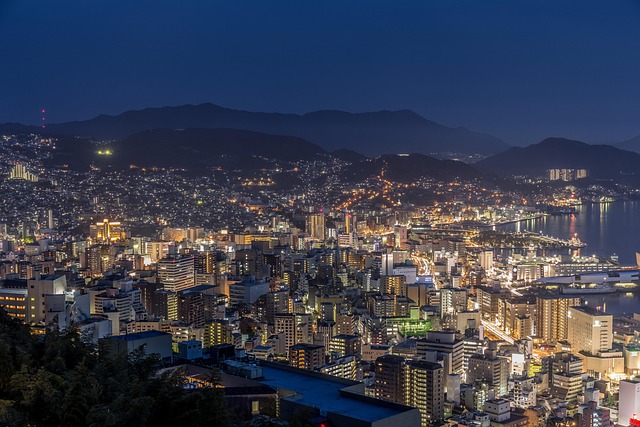
Another insider hack involves the evening hours. Many travelers exhaust themselves during the day and retreat to their hotels by 8:00 PM. In cities like Osaka, the city only truly breathes after dark. Save your energy by taking a mid-afternoon break so you can experience the neon-soaked streets of Dotonbori or the hidden yokocho (alleys) of Shinjuku at their peak. Japan is one of the few places where the atmosphere at midnight is just as safe and significantly more vibrant than at noon.
The Insider’s Perspective: Curating the “Blank Space”
As someone who has navigated the evolution of Japanese tourism for years, my primary advice is to intentionally build “blank space” into your itinerary. The most profound moments in Japan rarely happen while you are staring at a landmark mentioned in a top-ten list. They happen when you wander into a residential neighborhood in Setagaya, stumble upon a local festival in a Kyoto backstreet, or find a tiny, four-seat craft beer bar in Osaka where the owner speaks limited English but offers the best hospitality of your life.
A 14-day trip is a marathon, not a sprint. If your schedule is so tight that a 15-minute train delay ruins your afternoon, you have over-planned. Professional travelers know that the best itinerary acts as a compass, not a script. Give yourself the permission to skip a temple if you find a bookstore you love. The “Golden Route” is iconic for a reason, but the magic lies in the detours you take along the way.
KEYWORDS: japan travel itinerary, kyoto temple, osaka street food
Photo: Pixabay / Pixabay License