AKIO NARIMATSU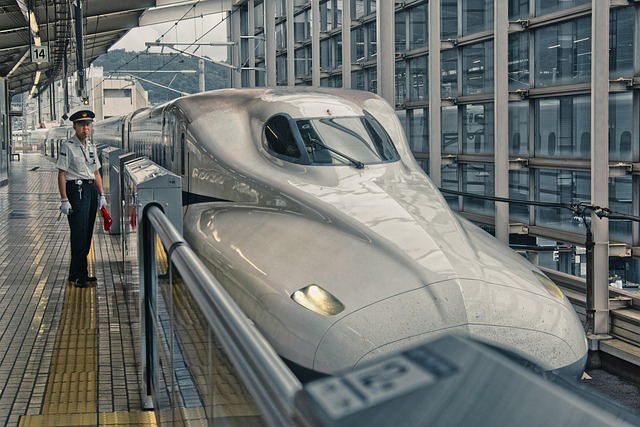
Mastering the 10-Day Japan Circuit: A Strategic Guide to Tokyo and Kansai
- Opt for “Open-Jaw” Flights: To maximize your time, book your arrival into Tokyo (Narita or Haneda) and your departure from Osaka (Kansai International). This eliminates a redundant, expensive five-hour return journey on the Shinkansen, effectively adding a full day of sightseeing to your itinerary.
- Deploy the “Takkyubin” Advantage: Never haul heavy suitcases through Japan’s complex train stations. Use luggage forwarding services (Takkyubin) to send your bags from your Tokyo hotel directly to your Osaka accommodation for a nominal fee. You can travel light with just a backpack for your transit day.
- Pre-load Digital Transit Cards: Skip the ticket machines. Add a Suica or Pasmo card to your smartphone’s digital wallet before you land. It works for all major trains, buses, and even vending machines nationwide, allowing for seamless transfers between competing rail lines.
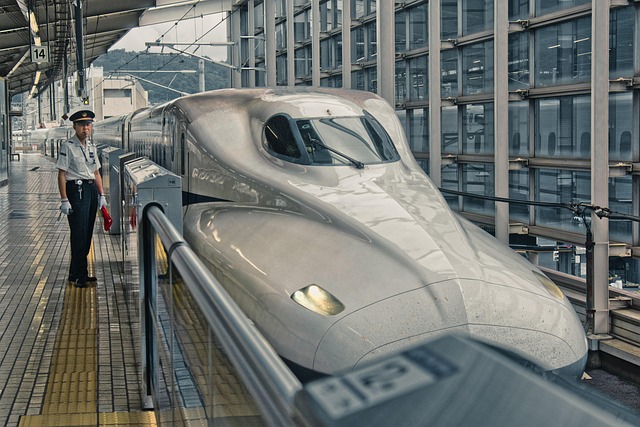
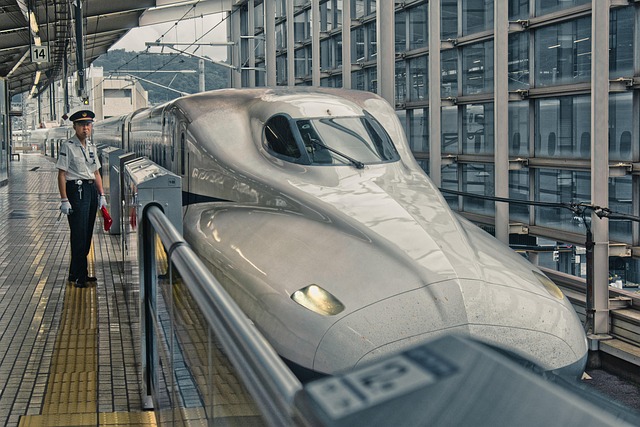
- Strategic “Seat E” Bookings: When booking the Shinkansen from Tokyo to the west, always request seats on the right-hand side (Seat E in economy). This provides the most iconic, unobstructed view of Mount Fuji as you speed toward Nagoya.
The Invisible Hurdle: The “Golden Route” Exhaustion
Standard guidebooks are excellent at listing landmarks, but they consistently fail to mention the logistical fatigue inherent in the Tokyo-Kyoto-Osaka triangle. Travelers often underestimate the sheer physical toll of navigating these mega-cities. Walking 20,000 steps a day on concrete while deciphering multi-level transit hubs leads to a phenomenon I call “Temple Fatigue” by day six. The frustration isn’t finding things to see; it’s the realization that your schedule is so dense you are experiencing Japan through a viewfinder rather than actually being there. The “real” problem is the “Middle-Trip Slump,” where the sensory overload of Tokyo transitions into the high-intensity tourist crowds of Kyoto, leaving many travelers burnt out before they even reach the neon lights of Osaka.
Field-Tested Strategies for a Seamless Flow
To combat this, the most effective workaround is Centralized Basing in Osaka. Rather than packing and unpacking to stay in Kyoto, make Osaka your hub for the entire second half of your trip. Osaka offers better value for luxury accommodations and a far more vibrant evening food scene. From Osaka, Kyoto is a mere 30-minute train ride away, and Nara is even closer. This allows you to retreat from the daytime crowds of Kyoto to the relaxed, gritty charm of Osaka each night.
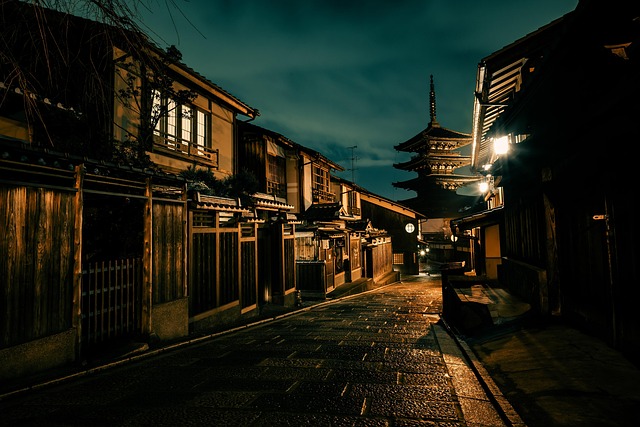
Furthermore, timing is your greatest asset. To see the Fushimi Inari shrines or the Arashiyama Bamboo Grove without the “human sea,” you must arrive no later than 7:30 AM. By 10:30 AM, these sites become congested to the point of discomfort. Use your early morning hours for the “Big Hits” and spend your afternoons in the lesser-known, residential neighborhoods like Yanaka in Tokyo or Nakazaki-cho in Osaka, where the pace of life slows down and the “authentic” Japan resides.
The Expert Verdict: Finding the Texture in the Transit
As someone who has navigated the evolution of Japanese tourism for over a decade, my perspective is this: Japan is best experienced in the “in-between” moments. While the Shibuya Crossing and the Kinkaku-ji Golden Pavilion are mandatory for first-timers, the true soul of the country is found in the quiet efficiency of a neighborhood kissaten (traditional coffee shop) or the neon-soaked alleyways of a yokocho at 11:00 PM.
The secret to a successful 10-day trip is not seeing more, but seeing deeper. Don’t just visit a shrine; learn the etiquette of the temizuya purification fountain. Don’t just eat sushi; seek out a seasonal kaiseki meal that reflects the micro-seasons of the Japanese calendar. Your itinerary should be a framework, not a cage. Leave space for the serendipity of a missed turn or an unplanned stop at a local festival. In Japan, the transit is often as beautiful as the destination—if you aren’t too exhausted to look out the window.
KEYWORDS: japan bullet train, shibuya crossing, kyoto shrine
Photo: Pixabay / Pixabay License