AKIO NARIMATSU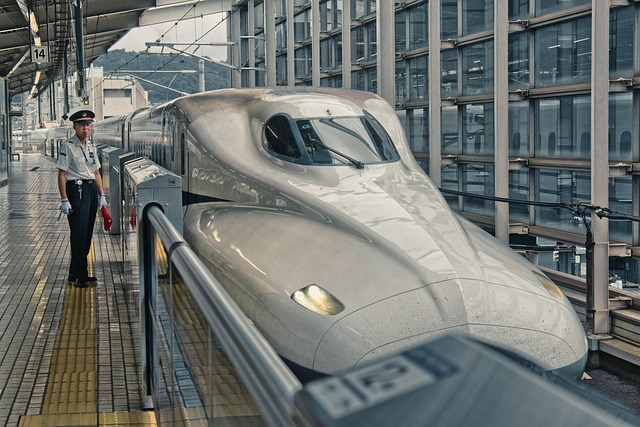
Maximize Your 14-Day Japan Winter Odyssey
- Leverage Luggage Forwarding (Takkyubin): Never haul heavy suitcases through crowded subway stations. Use the overnight delivery services available at airport counters and hotel receptions to send your bags ahead to your next destination for a nominal fee.
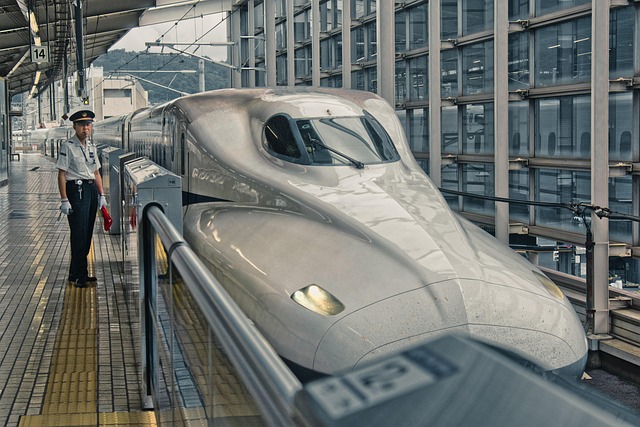
- Digitize Your Transit: Add a Suica or Pasmo card to your smartphone’s digital wallet before you land. It eliminates the need to fumble with cash at ticket machines and works seamlessly for both transport and convenience store purchases.
- The “Base City” Strategy: Instead of switching hotels every two nights, use Osaka as a central hub for exploring Kyoto, Nara, and Kobe. The rapid express trains make these commutes shorter than many cross-city trips within Tokyo.
- Book “Anchor” Attractions Early: High-demand experiences like the Ghibli Museum, TeamLab Borderless, or specialized omakase dining often sell out a month in advance. Build your itinerary around these fixed points.
The Invisible Exhaustion of the Golden Route
Standard guidebooks often present a 14-day itinerary through Tokyo, Kyoto, and Osaka as a leisurely stroll through history. What they fail to mention is the “itinerary fatigue” that sets in by day eight. Travelers frequently underestimate the sheer volume of walking—often exceeding 20,000 steps daily—and the mental load of navigating the world’s most complex transit systems. The genuine frustration isn’t finding things to do; it’s the realization that you are spending more time managing logistics than actually experiencing the culture. This “logistical tax” can turn a dream vacation into a series of frantic dashes between train platforms.
Field-Tested Strategies for a Seamless Journey
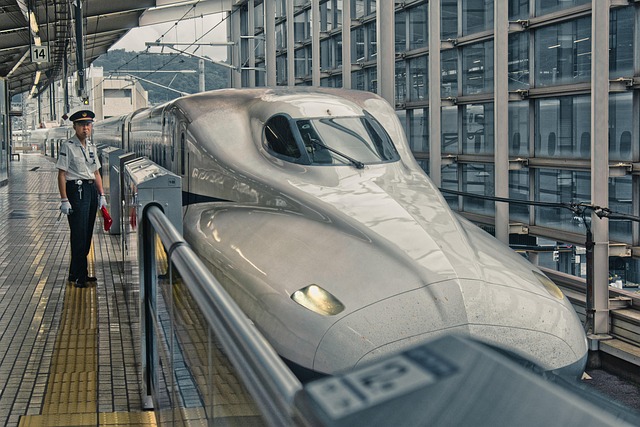
To combat the inevitable burnout, experienced travelers utilize several counter-intuitive hacks. First, prioritize “Open-Jaw” flights—flying into Tokyo and out of Osaka (or vice versa). This saves you a full day of travel and the significant cost of a return Shinkansen ticket back to your starting point.
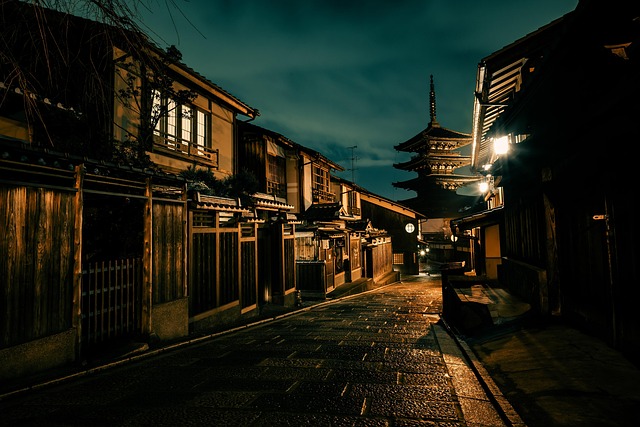
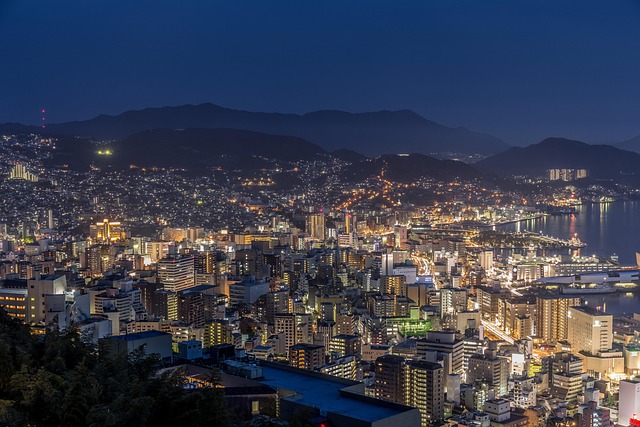
In December specifically, the sun sets remarkably early, around 4:30 PM. Use this to your advantage by scheduling outdoor shrines and temples for the morning, and shifting your focus to Japan’s spectacular winter “illuminations” and indoor food halls by late afternoon. Furthermore, when visiting Kyoto, ignore the over-congested bus system. Utilizing the private Keihan or Hankyu railway lines often gets you closer to major sites like Fushimi Inari or Arashiyama with far less stress and more reliable timing.
The Art of the Strategic Rest Day
One of the most effective workarounds for a packed two-week schedule is the mid-trip “reset.” Around day six or seven, deliberately schedule a morning with zero alarms. Find a local kissaten (traditional coffee shop) for a “morning service” breakfast. This intentional slow-down provides the mental bandwidth necessary to enjoy the second half of your trip rather than just surviving it.
An Insider’s Perspective: The Value of “Ma”
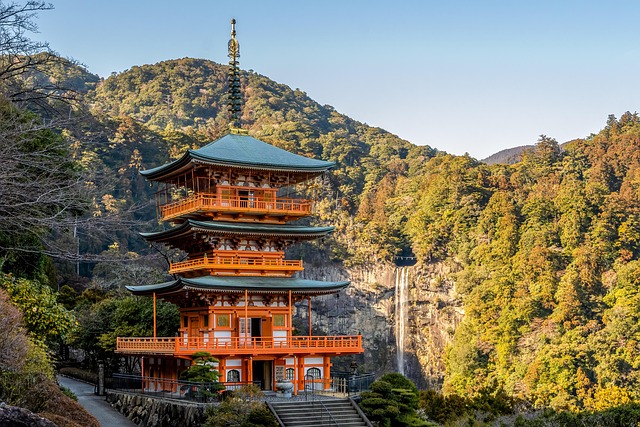
In Japanese aesthetics, there is a concept called “Ma”—the beauty in empty space. Most travelers fill every waking hour with a “must-see” landmark, leaving no room for the serendipity that makes Japan truly magical. The most profound moments rarely happen at a crowded pagoda; they happen in a quiet standing noodle bar in a train station, or while watching the sunset over the Kamo River.
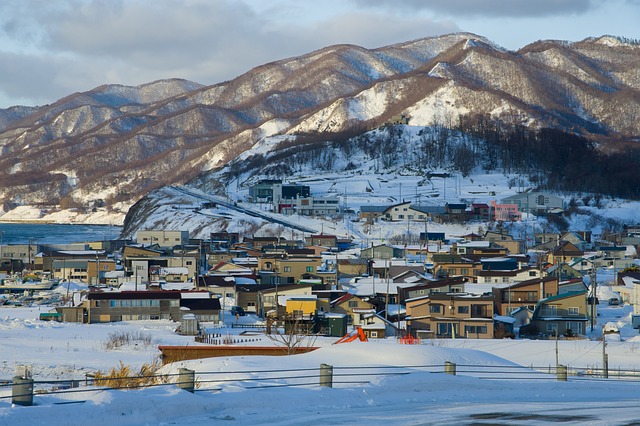
In the winter, Japan takes on a contemplative, crisp atmosphere. My professional advice is to treat your itinerary as a skeleton, not a cage. By choosing fewer destinations and staying longer in each, you transition from a spectator to a participant. You begin to notice the seasonal flavors in the vending machines and the subtle shifts in regional dialects. In the end, you won’t remember the fourteenth temple you saw, but you will remember the warmth of a hidden oden stall on a freezing December night.
KEYWORDS: japan winter travel, tokyo kyoto itinerary, shinkansen train platform
Photo: Pixabay / Pixabay License