AKIO NARIMATSU
The Art of the Micro-Trip: Can You Really Do Japan in Five Days?
- Prioritize Haneda over Narita: If your schedule is tight, flying into Haneda Airport saves you nearly two hours of round-trip transit time compared to Narita, putting you in the heart of Tokyo within 30 minutes.
- Adopt a “Hub-and-Spoke” Strategy: Select one single base—ideally near a major transit artery like Shinjuku or Tokyo Station—and eliminate the “packing and unpacking” tax that eats into precious sightseeing hours.
- Pre-load your Digital IC Card: Add a Suica or Pasmo card to your smartphone wallet before you land. Fumbling with ticket machines for every subway ride is a luxury of time you simply do not have on a five-day itinerary.
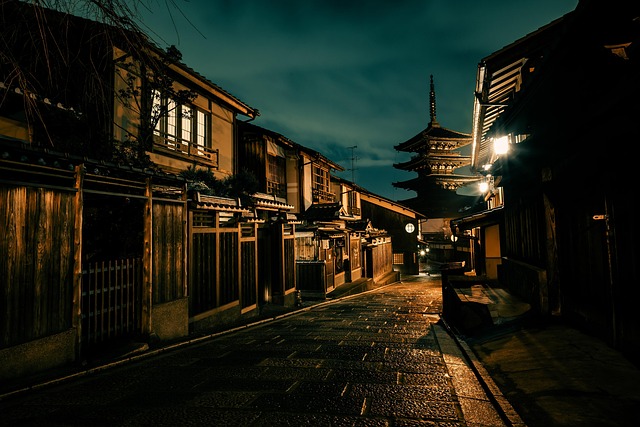
- Limit Your Geography: For a first-time five-day trip, choose either the Kanto region (Tokyo and surroundings) or the Kansai region (Kyoto, Osaka, Nara). Attempting both is a recipe for a vacation spent looking at train windows rather than temples.
The “Real” Problem: The High Cost of First-Timer FOMO
The most significant hurdle for the short-term traveler isn’t the language barrier or the currency exchange—it is the “Essential Japan” fallacy propagated by glossy guidebooks. Most traditional itineraries suggest that a first visit is incomplete without seeing both the neon skyscrapers of Tokyo and the serene shrines of Kyoto. However, for a five-day traveler, this creates a logistical nightmare that guidebooks rarely acknowledge: The Transit Trap.
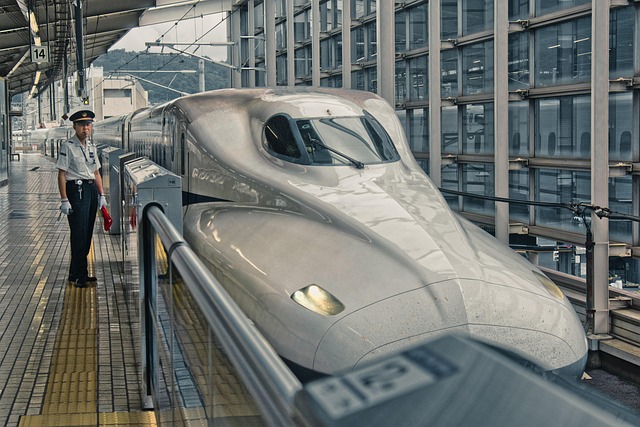
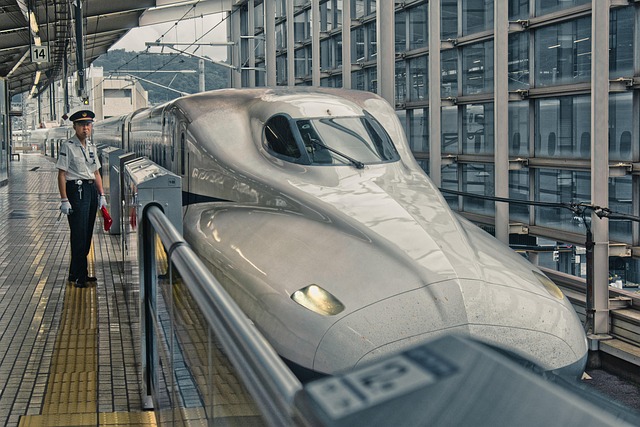
When you factor in checking out of a hotel, commuting to the Shinkansen, the two-hour-plus journey, and checking into a new hotel, you lose a minimum of half a day. On a five-day trip, that represents 10% of your total experience sacrificed to logistics. The genuine frustration travelers face is the physical and mental exhaustion of trying to “conquer” Japan in a work-week timeframe, leading to a blurred memory of train platforms rather than meaningful cultural immersion.
Field-Tested Solutions: Maximizing the Five-Day Window
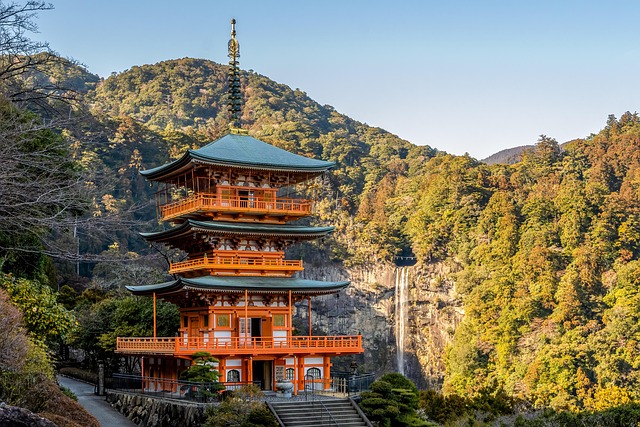
Experienced travelers know that the secret to a successful short-duration trip lies in curated depth over superficial breadth. Instead of racing across the country, the most rewarding strategy is to treat a single metropolitan area as its own universe. If you choose Tokyo, don’t just stay in the center; use your fourth day for a high-impact day trip to Kamakura or Nikko. This provides the “traditional Japan” fix—complete with giant Buddhas and ancient shrines—without the need for a multi-hour bullet train odyssey.
Another insider hack is to leverage Japan’s impeccable 24-hour infrastructure. On a short trip, “wasted” time is the enemy. By utilizing 24-hour konbini (convenience stores) for quick, high-quality breakfasts and late-night amenities, and booking “Business Hotels” located directly atop subway stations, you reclaim the hours usually spent searching for basic needs. This allows you to focus your daylight hours entirely on high-value experiences like the Tsukiji Outer Market or the hidden alleys of Golden Gai.
The Insider Perspective: The “Taster” Philosophy
From a professional standpoint, five days in Japan should not be viewed as a “once-in-a-lifetime” checklist, but rather as a sophisticated taster menu. Japan is a country of layers; you will never see it all in one go, even if you stayed for a month. The most successful short-term visitors are those who accept that they are leaving things for “next time.”
In the industry, we often say that “less is more” in Japan because the country’s beauty is found in the details—the precision of a tea ceremony, the silence of a Zen garden, or the craftsmanship of a bowl of ramen. You cannot appreciate these details if you are checking your watch to catch the next train to a different city. By narrowing your geographic scope, you actually broaden your emotional experience. Five days is plenty of time to fall in love with Japan, provided you give yourself the permission to actually stay in one place long enough to see it.
KEYWORDS: tokyo city skyline, shibuya crossing, japanese temple architecture
Photo: Pixabay / Pixabay License