AKIO NARIMATSU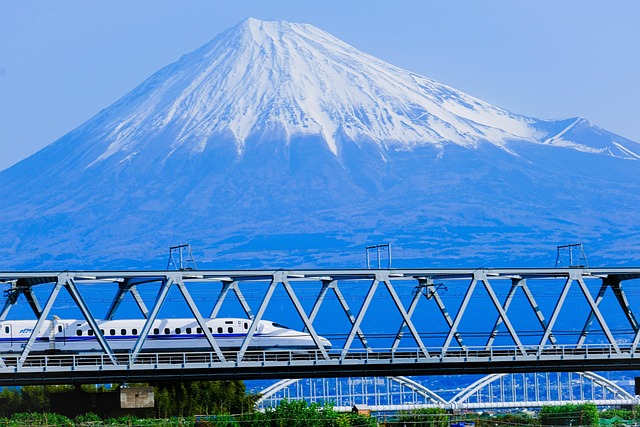
Mastering Your First Solo Journey to Japan: Pro Tips for the Summer Transition
- Embrace the Digital Transit Card: Add a Suica or Pasmo to your smartphone wallet before you even land. It eliminates the frustration of navigating ticket machines and works seamlessly at most vending machines and convenience stores across the country.
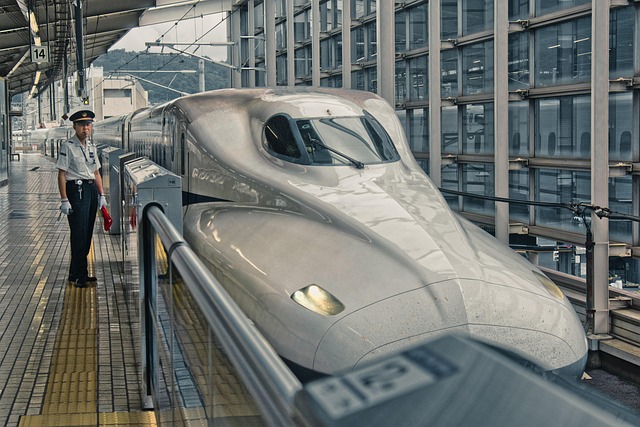
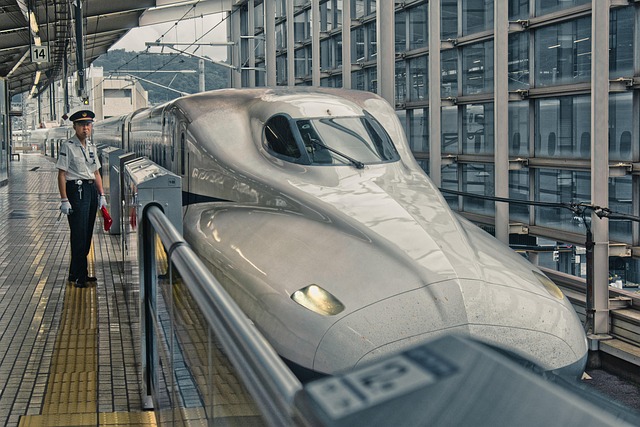
- Master the Art of “Takkyubin”: Use luggage forwarding services to send your heavy suitcases between cities for a nominal fee. This allows you to navigate the Shinkansen and crowded stations with just a light daypack, saving your energy for exploration.
- The “Mount Fuji” Seat Hack: When booking your Shinkansen ticket from Tokyo heading west toward Kyoto, always request a seat on the “D” or “E” side (the right side of the train) to catch a glimpse of Mount Fuji as you speed past Shizuoka.
- Strategic Hydration and Cooling: Japan’s humidity in late June is legendary. Carry a small “tenugui” (hand towel) to manage perspiration and utilize the ubiquitous vending machines for electrolyte-heavy drinks like Pocari Sweat to prevent heat exhaustion.
The Invisible Barrier: Itinerary Fatigue and the July Humidity
Most guidebooks paint a picture of seamless transitions and breezy temple walks. They rarely mention the “July Wall.” Traveling to Japan between late June and early July means navigating the tail end of Tsuyu (the rainy season) and the sudden onset of oppressive heat. For the solo traveler, this isn’t just a physical challenge; it’s a psychological one. The exhaustion from navigating complex train networks in 90% humidity can lead to “itinerary fatigue,” where the pressure to see every landmark on a list outweighs the actual enjoyment of the experience. Guidebooks tell you what to see, but they rarely prepare you for the mental stamina required to see it alone in the height of summer.
Field-Tested Strategies for Seamless Exploration
Seasoned travelers know that the secret to a successful solo trip isn’t a rigid schedule, but a series of tactical workarounds. First, leverage the Coin Locker Culture. If you arrive in a city before your hotel check-in time, do not drag your bag through the streets. Every major station has lockers; drop your gear and head straight to an air-conditioned museum or a local cafe. This preserves your physical energy for the sites that truly matter.
Social Balancing for Soloists
One of the most effective hacks for solo travelers is the “Hybrid Accommodation” model. Spend a few nights in a high-end social hostel—many of which offer private pods—to meet fellow travelers and exchange tips. Then, pivot to a traditional Ryokan or a sleek “Business Hotel” for a few nights of deep recovery. This prevents the “solo burnout” that often creeps in during the second week of a journey.
The “Konbini” Culinary Strategy
Don’t feel pressured to wait in long lines for “famous” restaurants for every meal. Japan’s convenience stores—7-Eleven, Lawson, and FamilyMart—offer high-quality, seasonal meals like cold citrus soba or premium onigiri that are perfect for a quick, refreshing reprieve. This strategy saves your budget for one or two high-end “Omakase” experiences while keeping your energy levels stable throughout the day.
The Insider’s View: Quality Over Chronology
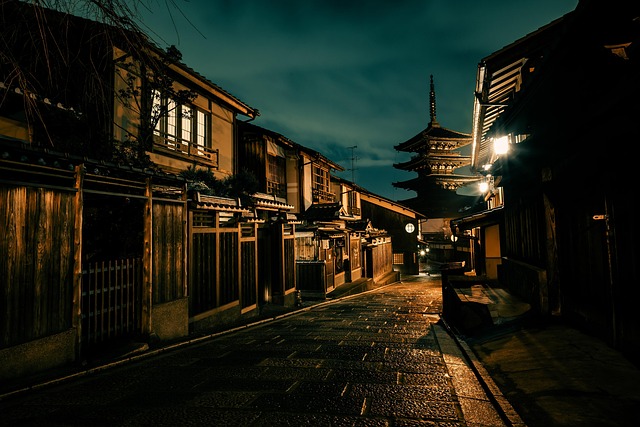
In my years observing inbound tourism trends, the most common mistake I see is the “Golden Route Sprint.” Travelers often try to force Tokyo, Hakone, Kyoto, Osaka, and Hiroshima into a narrow ten-day window. As an industry insider, my advice is to embrace the “Slow Summer” philosophy. Japan is a country of nuances—the sound of a furin (wind chime) in a quiet Kyoto alleyway or the neon reflection on a rain-slicked Shinjuku pavement.
When you stop chasing a checklist, you finally start seeing the Japan that locals love. If the heat becomes too much, pivot your plans. Spend an afternoon in a neighborhood library or a small “jazz kissa” (jazz cafe). The most profound memories of a solo trip aren’t usually found at the top of a crowded observation tower, but in the quiet, unplanned moments between the landmarks. Your itinerary should be a compass, not a cage.
KEYWORDS: solo traveler japan, tokyo street summer, shinkansen train mount fuji
Photo: Pixabay / Pixabay License