AKIO NARIMATSU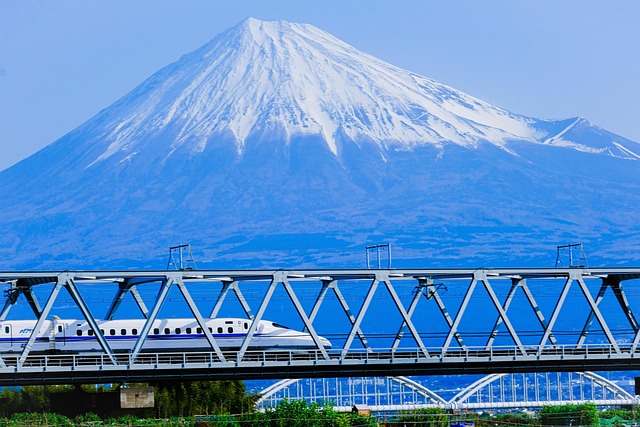
Essential Tips for Your 13-Day Japan Odyssey
- Leverage Luggage Forwarding (Takkyubin): Never haul heavy suitcases through train stations. Use airport or hotel-to-hotel forwarding services to travel hands-free for roughly $15-$20 per bag.
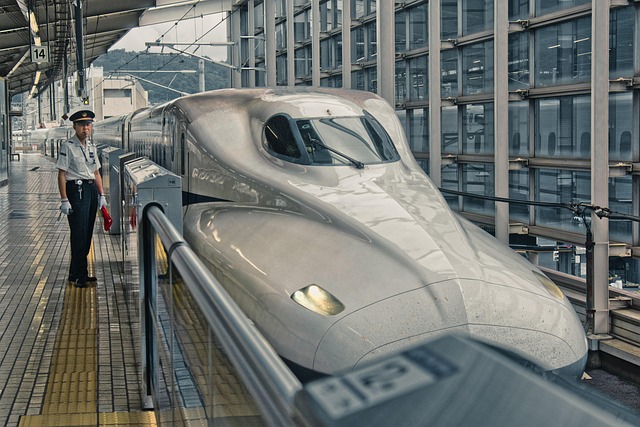
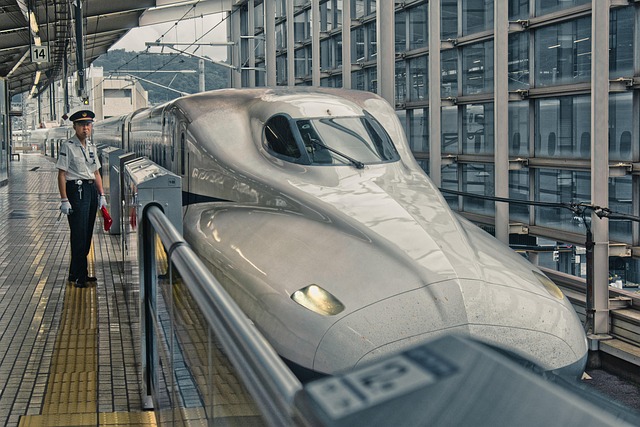
- Reserve the “Mountain Side” Seat: When booking your Shinkansen from Tokyo to Kyoto, request a seat on the right-hand side (Seat E in most configurations) for a breathtaking view of Mount Fuji as you speed past.
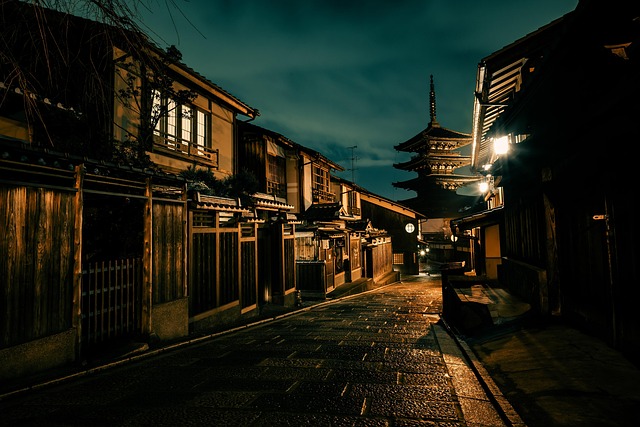
- The 8:00 AM Rule: To experience the serenity of Fushimi Inari or the Arashiyama Bamboo Grove without the crushing crowds, you must arrive by 8:00 AM. By 10:00 AM, the “magic” is replaced by a sea of selfie sticks.
- Purchase a Welcome Suica or Pasmo Passport: Skip the individual ticket machines. These IC cards work for all local trains, buses, and even vending machines, providing seamless transit across Tokyo, Kyoto, and Osaka.
The “Golden Route” Paradox: Why Guidebooks Are Exhausting You
Most travelers embarking on the classic Tokyo-Kyoto-Osaka circuit suffer from a phenomenon I call “Temple Fatigue.” Traditional guidebooks present these cities as a checklist of historical monuments, leading visitors to schedule four or five major shrines in a single day. The reality that no guidebook mentions is the sheer physical and mental toll of navigating Japan’s dense urban geography. Between the 20,000 steps of daily walking and the sensory overload of neon-lit districts, the “perfect” itinerary often becomes a grueling march rather than a vacation.
Field-Tested Strategies for a Seamless Journey
To truly master a 13-day itinerary, you must look beyond the standard tourist maps. One of the most effective workarounds is hub-and-spoke staying. Instead of moving hotels between Kyoto and Osaka—which are only 15 to 30 minutes apart by train—choose one as your base. Osaka often offers better value for luxury hotels and a more vibrant “after-dark” food scene, while Kyoto provides the morning tranquility. Staying in one place for 5-6 nights eliminates the “check-out, check-in” dead time that kills travel momentum.
Furthermore, savvy travelers know that convenience stores (Konbini) are not just for snacks; they are vital infrastructure. A high-quality, $5 breakfast from Lawson or 7-Eleven allows you to hit the shrines early before the sit-down cafes even open. Similarly, while Dotonbori is the “famous” spot for food in Osaka, the real culinary gems are found in the yokocho (narrow alleys) of Umeda or the residential streets of Nakameguro in Tokyo, where the atmosphere is authentic and the queues are non-existent.
The Expert Verdict: Finding the Rhythm of Japan
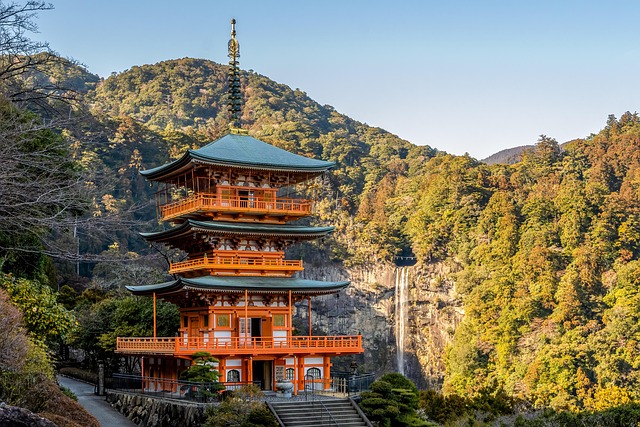
As someone who has spent decades analyzing Japan’s tourism landscape, my ultimate advice is this: Japan is best experienced in the “in-between” moments. While the 13-day Golden Route hits the highlights, the most profound memories rarely happen at the Golden Pavilion or the top of Tokyo Skytree. They happen when you get lost in a residential neighborhood in Setagaya, stumble upon a tiny three-seat jazz bar in Shinjuku, or find a neighborhood bathhouse (sento) where no one speaks English.
The goal of your first trip shouldn’t be to see everything, but to see well. If you find yourself captivated by a small garden in Kyoto, stay there for two hours. Skip the next temple on your list. The beauty of Japan lies in its precision and its silence; if you spend your entire trip rushing to catch the next Shinkansen, you’ll miss the very soul of the country. Balance your high-energy Tokyo days with slow-paced afternoons, and always prioritize depth over breadth.
KEYWORDS: shinkansen mount fuji, kyoto temple, tokyo street photography
Photo: Pixabay / Pixabay License