AKIO NARIMATSU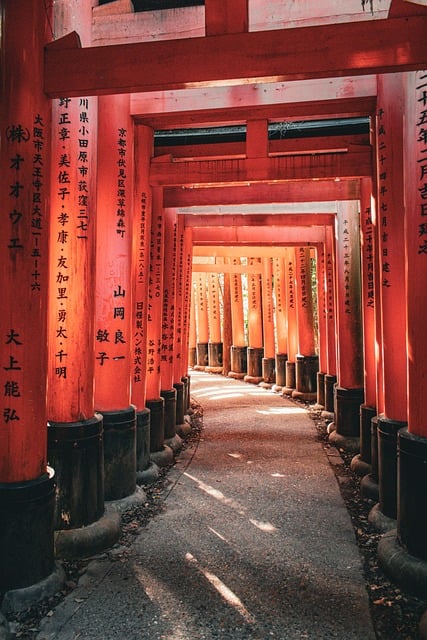
Essential Tactics for Navigating Japan’s Late Summer Transition
- Master the Takkyubin Strategy: Never drag heavy luggage through train stations in 35°C humidity. Use luggage forwarding services (Takkyubin) to send your bags from hotel to hotel for roughly $15–$20 USD. It is the single most effective way to preserve your energy.
- The 7-Eleven Hydration Rule: Do not rely solely on water. The Japanese heat leeches electrolytes rapidly. Alternate your water intake with Pocari Sweat or Aquarius, available at every convenience store, to prevent heat exhaustion during long walking tours.
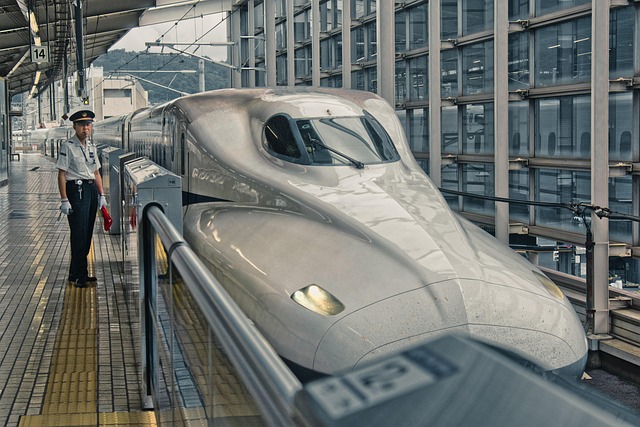
- Digital Transit Integration: Add a Suica or Pasmo card directly to your smartphone’s digital wallet before arrival. Tapping in and out of ticket gates avoids the stifling heat of crowded ticket machine areas and ensures seamless transitions between private and public lines.
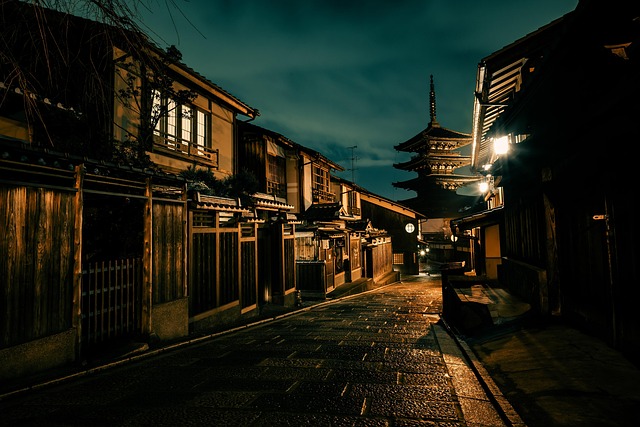
- The “Early Bird” Temple Protocol: In August and September, major sites like Fushimi Inari or Senso-ji become unbearable by 10:00 AM. Aim to arrive by 7:00 AM to experience the serenity of the architecture before the heat and the crowds reach their peak.
The Invisible Barrier: The Ambition vs. Humidity Gap
Most guidebooks present Japan as a year-round destination where every season is equally accessible. They provide exhaustive lists of “must-see” shrines and districts without mentioning the genuine physical toll of the late summer climate. The real frustration for travelers in August and September isn’t the language barrier or the navigation; it is the “Summer Burnout.” Travelers often attempt to execute a spring-style itinerary—walking ten miles a day through Kyoto—only to find themselves physically depleted by day three.
The humidity in urban Japan during this period acts as a physical weight. When you combine this with the sudden, torrential downpours of the “Akisame” (autumn rain) season or potential typhoon delays in September, a rigid schedule becomes a liability rather than a tool. The frustration stems from a lack of “buffer time” that accounts for the slower pace necessitated by the environment.
Field-Tested Workarounds for the Seasonal Traveler
Utilize the “Depachika” Refuge
When the midday sun becomes hazardous, seasoned travelers head underground. Depachika—the massive food halls located in the basements of major department stores like Takashimaya or Isetan—are climate-controlled sanctuaries. They offer an elite culinary experience that rivals five-star restaurants, allowing you to explore Japanese food culture in comfort while waiting for the temperature to drop.
The High-Altitude Escape
If the urban heat of Tokyo or Osaka becomes overwhelming, pivot your itinerary toward the Japanese Alps or Hakone. Locations with higher elevation offer a significant temperature drop. A day trip to Nikko or an overnight stay in Karuizawa provides not just a cultural reprieve, but a literal atmospheric one, characterized by crisp mountain air and significantly lower humidity levels.
Strategic Museum Integration
Instead of viewing museums as secondary options, treat them as tactical cooling stations. Schedule your visits to the Tokyo National Museum or the Kyoto Kyoto International Manga Museum for the 2:00 PM to 4:00 PM window. This is when the sun is at its most punishing, and the indoor air conditioning provides the necessary recovery time to enjoy outdoor evening festivals (matsuri) later at night.
An Insider’s Perspective: Embracing the “Second Spring”
As an industry professional, I view the transition from late August to September as one of the most misunderstood periods in Japanese tourism. While the heat is a factor, this window offers a unique “insider” experience that the peak cherry blossom season cannot match. This is the season of seasonal limited-edition flavors—look for chestnut, sweet potato, and pear-flavored treats that signal the coming of autumn.
Furthermore, September represents a “shoulder” period where luxury ryokans and high-end hotels often have more flexible availability. If you can navigate the occasional typhoon disruption with a flexible rail pass and a sense of adventure, you will find a version of Japan that feels more authentic and less like a theme park. The key is to stop fighting the climate and start synchronizing with the local pace: slow mornings, indoor afternoons, and vibrant, breezy evenings under the neon lights.
KEYWORDS: japan summer travel, kyoto heat, luggage forwarding service
Photo: Pixabay / Pixabay License