AKIO NARIMATSU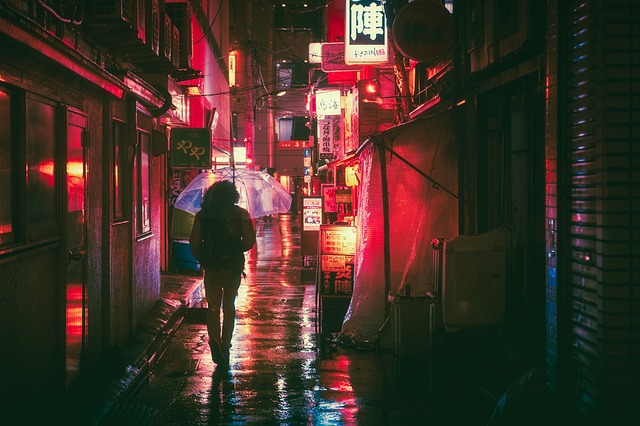
Essential Strategies for Your Next Japanese Adventure
- Master the “Hub and Spoke” Method: Instead of packing and unpacking every two days, base yourself in Osaka to explore Kyoto, Nara, and Kobe. The transit links are so efficient that you’ll save hours of logistical headache.
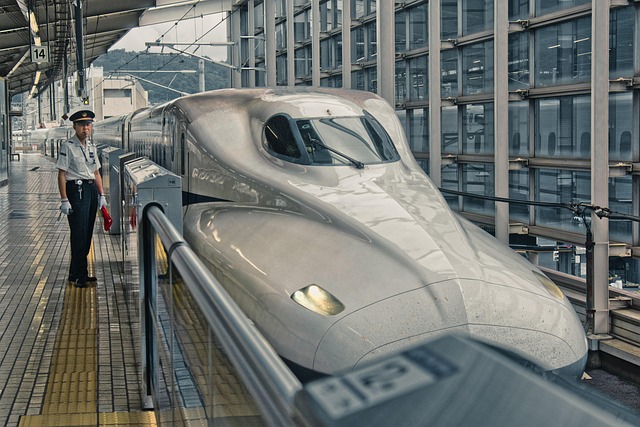
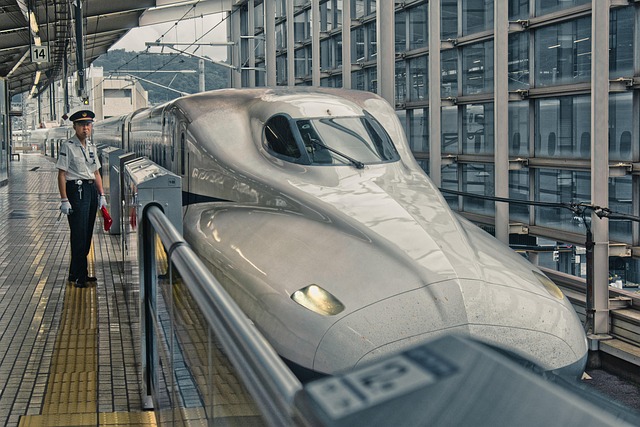
- Leverage Hands-Free Travel: Use takuhaibin (luggage forwarding services) to send your large suitcases between Tokyo and your next major city. Navigating Shinkansen stations with heavy bags is the single most common mistake first-time visitors make.
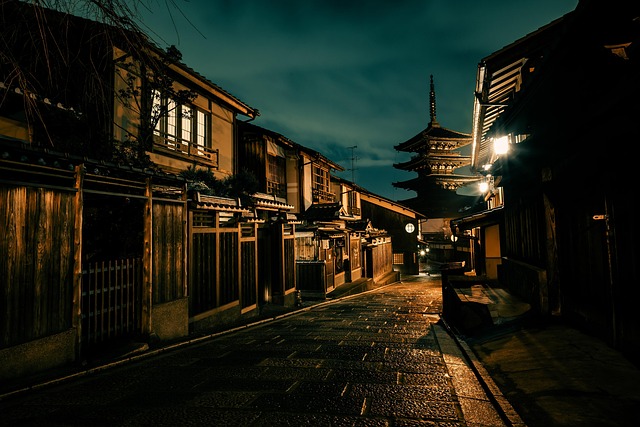
- The “Early Bird” Temple Rule: To experience the serenity of Kyoto’s shrines, arrive by 7:30 AM. By 10:00 AM, the atmosphere shifts from spiritual to commercial as the tour buses arrive.
- Pre-Book Your High-Demand Logistics: Secure your pocket Wi-Fi or eSIM and your Shinkansen luggage-space seats at least two weeks before departure to avoid the stress of “sold out” kiosks.
The Invisible Exhaustion: What Guidebooks Forget to Tell You
Standard travel guides present Japan as a series of stunning landmarks to be checked off a list. They show you the Fushimi Inari gates and the Shibuya Crossing, but they fail to mention the “Golden Route Fatigue.” Travelers often arrive in Tokyo with boundless energy, only to find themselves physically and mentally depleted by the time they reach Osaka. The sheer density of Japan’s urban environments—the constant sensory input, the labyrinthine train stations, and the thousands of daily steps—creates a unique form of burnout.
The real problem isn’t a lack of things to see; it’s the lack of “white space” in the itinerary. Many visitors over-schedule their days, treating a vacation like a military operation, which ultimately robs them of the spontaneous discoveries—the hidden alleyway jazz bar or the quiet neighborhood shrine—that actually define the Japanese experience.
Field-Tested Workarounds for a Seamless Journey
To combat the inevitable friction of cross-country travel, seasoned visitors have developed several “field-tested” workarounds. One of the most effective is the “Secondary City Pivot.” While everyone flocks to Kyoto’s Gion district, savvy travelers spend their evenings in Osaka’s Dotonbori or Umeda. Osaka offers a more relaxed, approachable atmosphere with better culinary value, allowing you to commute into Kyoto for the history during the day and retreat to the “Kitchen of Japan” at night.
Another insider hack involves the “Department Store Strategy.” If you find yourself overwhelmed by the need for restaurant reservations, head to the depachika (basement food halls) of major department stores like Takashimaya or Isetan. You can assemble a world-class, Michelin-level meal to enjoy in a local park or back at your hotel, bypassing the 45-minute wait times common at popular tourist eateries.
For those traveling in late spring or early summer, the humidity can be a silent energy-sapper. The professional workaround? Use the “Underground Passage Network.” Major hubs like Shinjuku, Umeda, and Nagoya have vast, climate-controlled underground cities. You can often walk kilometers across a city center without ever stepping into the sun or rain.
An Insider’s Perspective on the Golden Route
From my years in the industry, I’ve observed that the most successful trips are those that embrace the contrast between Tokyo’s calculated precision and Osaka’s vibrant chaos. Tokyo is a city of layers; it requires patience to peel back the surface of its high-tech exterior. In contrast, Osaka wears its heart on its sleeve, offering a grit and warmth that provides a necessary emotional counterpoint to the capital.
When planning your itinerary, don’t just look at a map—look at the rhythm of your trip. Balance your high-intensity days in Harajuku with a slow morning in a traditional sento (public bath). The goal of a Japan trip shouldn’t be to see everything, but to leave feeling as though you’ve truly understood the soul of even just one neighborhood. Quality of presence will always trump the quantity of your photo gallery.
KEYWORDS: shinkansen, kyoto temple, osaka street food
Photo: Pixabay / Pixabay License