AKIO NARIMATSU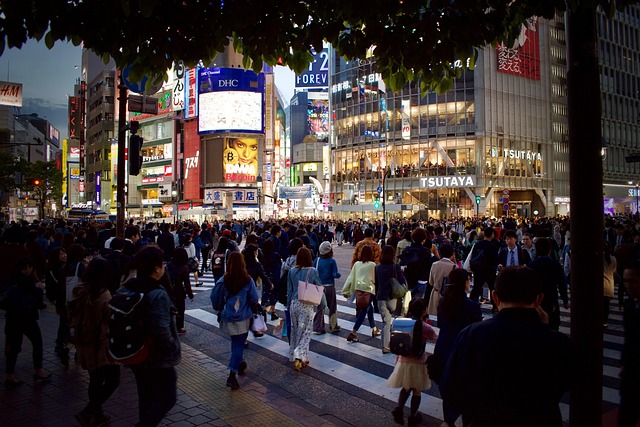
Essential Strategies for Your First Tokyo Expedition
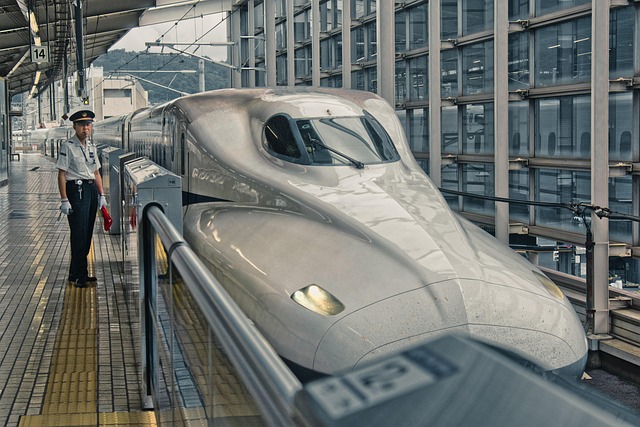
- Digitalize Your Transit: Add a Suica or Pasmo card directly to your smartphone’s digital wallet before arrival. This eliminates the need to fumble with ticket machines and ensures seamless transfers across the city’s complex rail network.
- Leverage Luggage Forwarding: Use the “Takkyubin” service to send your heavy suitcases from the airport to your hotel, or between cities. Navigating Tokyo’s multi-level stations with large luggage is the fastest way to exhaust yourself.
- The 8:00 AM Rule: To experience iconic spots like Senso-ji or the Meiji Jingu shrine without the crushing crowds, arrive no later than 8:00 AM. Most “tourist” Tokyo doesn’t wake up until 10:00 AM, providing a two-hour window of serenity.
- Cash is Still King (Sort Of): While digital payments are rising, many of the best “hole-in-the-wall” eateries and temple stalls remain cash-only. Always carry at least 10,000 yen in small denominations.
The Invisible Barrier: The “Tokyo Exhaustion” Guidebooks Ignore
Standard travel guides present Tokyo as a convenient checklist of neon lights and ancient shrines. What they fail to mention is the sheer cognitive load of navigating the world’s most populous metropolitan area. The real frustration isn’t finding something to do; it’s the physical and mental toll of “transition time.” Travelers often underestimate the scale of stations like Shinjuku or Shibuya, where a simple “transfer” can involve a twenty-minute walk through a subterranean labyrinth. This leads to the common “Day 3 Burnout,” where visitors find themselves too drained to enjoy the very attractions they flew thousands of miles to see.
Field-Tested Hacks for a Seamless Itinerary
The Neighborhood Cluster Strategy
To beat the exhaustion, stop treating Tokyo as one city and start treating it as a collection of villages. The most effective way to see the city is to group your days by the Yamanote Line quadrants. Spend one full day in the West (Shinjuku, Shibuya, Harajuku) and another in the East (Ueno, Asakusa, Akihabara). Crossing the city back and forth more than once a day is a rookie mistake that wastes hours of precious time.
The “Depachika” Dining Secret
If you are struggling with restaurant reservations or “decision paralysis” at dinner time, head to the basement of any major department store (like Isetan, Mitsukoshi, or Takashimaya). These depachika are culinary wonderlands offering world-class bento, fresh sushi, and gourmet French pastries at a fraction of restaurant prices. It is the highest quality “convenience” food on the planet and perfect for a high-end picnic in your hotel room after a long day of walking.
Mastering the “Station Exit”
In Tokyo, the “station” is not your destination—the specific exit is. Before leaving your hotel, identify the exact alphanumeric exit (e.g., A6 or B2) closest to your destination. Following generic signs for “Shibuya Station” will leave you stranded on the wrong side of a twelve-lane highway or a massive rail complex.
The Insider’s View: Embracing the “Negative Space”
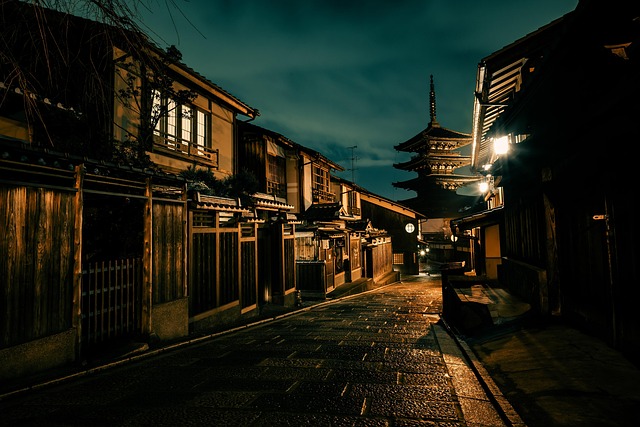
As someone who has navigated the Japanese tourism industry for over a decade, my most vital piece of advice is this: Japan’s magic isn’t in its landmarks; it’s in the negative space. The most memorable moments rarely happen at the top of the Tokyo Skytree. They happen in the quiet residential alleys of Yanaka, the tiny four-seat whiskey bars in Golden Gai, or the silent observation of a local craftsman at work.
The modern traveler is often obsessed with “optimization,” but Tokyo rewards the wanderer. Don’t over-schedule. Leave one afternoon entirely blank. Walk into a random “Kissaten” (traditional coffee shop) that looks like it hasn’t changed since 1974. In a city that moves at the speed of light, the most “elite” experience you can have is finding a moment of stillness.
KEYWORDS: tokyo city street, shibuya crossing, japanese train station
Photo: Pixabay / Pixabay License