AKIO NARIMATSU
- Adopt the “Open-Jaw” Flight Strategy: Save a full day of transit and the cost of a return Shinkansen ticket by flying into Tokyo’s Narita or Haneda airports and departing from Osaka’s Kansai International (KIX).
- Leverage Luggage Forwarding (Takkyubin): Do not haul heavy suitcases through crowded train stations. For a modest fee, have your bags sent from your Tokyo lobby to your Kyoto hotel, allowing you to travel with just a small daypack.
- Prioritize “Hub” Locations Over Aesthetics: In Tokyo, stay within a 5-minute walk of the Yamanote Line (Shinjuku or Ueno). In the Kansai region, consider basing yourself entirely in Osaka to visit Kyoto and Nara as day trips, avoiding the hassle of multiple hotel check-ins.
- Pre-load a Digital IC Card: Add a Suica or Pasmo card to your smartphone’s digital wallet before you land. It eliminates the need to navigate confusing ticket machines for local trains, buses, and even convenience store purchases.
The Invisible Exhaustion of the Golden Route
Most guidebooks present the “Golden Route”—Tokyo, Kyoto, and Osaka—as a seamless, nine-day highlight reel. However, they rarely mention the “invisible exhaustion” that sets in by day four. The genuine frustration travelers face isn’t a lack of things to see; it is the sheer physical toll of navigating some of the world’s most complex transit hubs while adhering to a rigid, over-packed schedule. When you attempt to see three major cultural hubs in just over a week, you aren’t just visiting cities; you are participating in a high-intensity logistics marathon. The result is often a “temple burnout” where the hundredth shrine in Kyoto begins to look exactly like the first one in Tokyo, and the magic of the trip is buried under the stress of making the next train connection.
Field-Tested Hacks for a 9-Day Itinerary
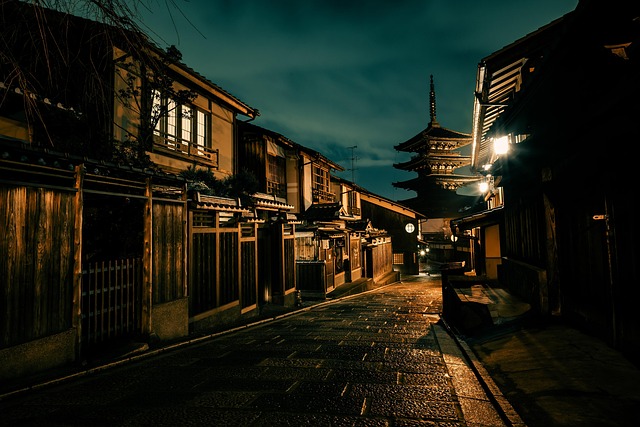
To maximize a limited window without succumbing to fatigue, veteran travelers use a strategy of “Hub and Spoke” sightseeing. Instead of splitting your time equally between three different hotels, focus on two main bases. Tokyo serves as your primary anchor for the first four days. For the remaining five, settle in Osaka. While Kyoto is the cultural heart, Osaka offers superior nightlife, better dining variety at lower price points, and is only a 30-minute local train ride from Kyoto’s Higashiyama district. This allows you to explore Kyoto’s serene mornings while returning to the vibrant, neon-lit energy of Osaka for dinner.
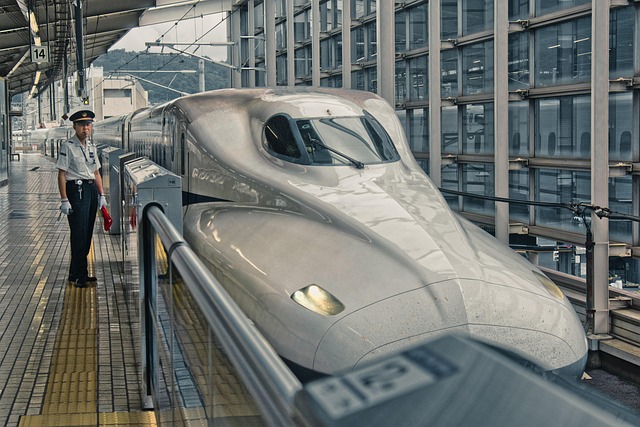
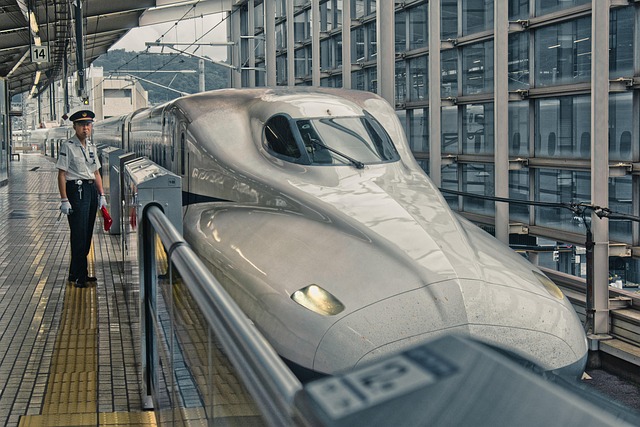
Another insider workaround for the time-crunched traveler is the “Reverse Commute” to Nara. Most tourists attempt to cram Nara into a day trip from Kyoto, resulting in massive crowds. Instead, take the Kintetsu Line from Osaka Namba station early in the morning. You’ll arrive at the deer park before the tour buses from Kyoto, giving you a private window of time at Todai-ji Temple before the midday rush. Additionally, skip the expensive Shinkansen “Green Car” upgrades; the standard seats offer more legroom than international business class, and the real “luxury” experience is found in the high-quality ekiben (station bento boxes) sold on the platforms.
The Insider’s Perspective: Quality Over Connectivity
As a professional in the Japan travel industry, I see a recurring mistake: the obsession with “covering ground.” Many travelers spend their entire 9-day trip looking at Japan through a train window or a viewfinder. My professional recommendation is to resist the urge to see “everything.” If your schedule is tight, choose one “Deep Dive” day where you have no set itinerary. In Tokyo, this might mean wandering the backstreets of Yanaka rather than the chaos of Shibuya. In Kyoto, it might mean skipping the Golden Pavilion to sit quietly in a lesser-known Zen garden like Tofuku-ji.
The secret to a successful Japan trip isn’t the number of prefectures you cross off your list; it’s the ability to find moments of “Ma”—the Japanese concept of negative space or the gap between events. By building “Ma” into your itinerary—choosing strategic hotel locations and using luggage forwarding—you transform a frantic transit schedule into a meaningful cultural immersion. The goal is to leave Japan feeling like you’ve lived there, even if only for nine days, rather than feeling like you’ve simply survived it.
KEYWORDS: shinkansen train, kyoto temple, tokyo street night
Photo: Pixabay / Pixabay License