AKIO NARIMATSU
- The “Early Bird” Threshold: Aim to arrive at flagship sites like Fushimi Inari or the Arashiyama Bamboo Grove by 7:30 AM. By 10:00 AM, the atmosphere of spiritual tranquility is replaced by wall-to-wall crowds that obscure the very beauty you came to see.
- Tactical Luggage Forwarding: Never drag a suitcase through Kyoto’s narrow streets or onto the city’s overburdened buses. Utilize Takkyubin (luggage forwarding services) to send bags from your previous city directly to your Kyoto hotel, or between hotels within the city.
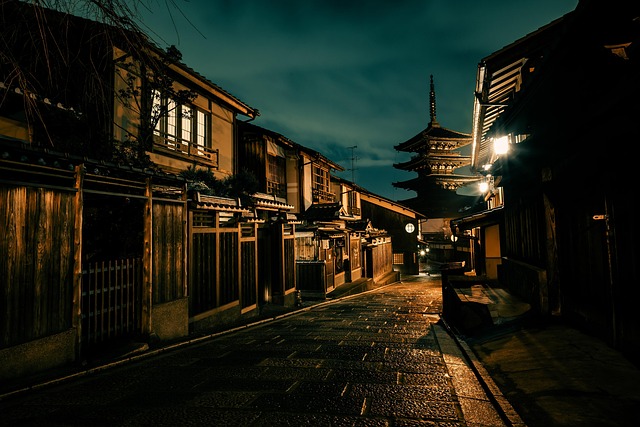
- The Downhill Route: When navigating the historic Higashiyama district, take a taxi or bus to the top at Kiyomizu-dera and walk downhill through Sannenzaka and Ninenzaka toward Gion. This saves your stamina and provides the most photogenic perspectives of the sloping streets.
- The Hyper-Local Dining Rule: Avoid dining on the main arteries of Pontocho or near Kyoto Station during peak hours without a reservation. Instead, wander two blocks into residential neighborhoods like Nishijin to find superior, authentic obanzai (Kyoto-style home cooking) at a fraction of the price.
The Paradox of the “Zen” Checklist
The standard guidebook approach to Kyoto often leads travelers into a grueling trap: the quest to “see it all.” Most visitors arrive with an itinerary packed with a dozen different temples and shrines across three days, only to find that by the third afternoon, every wooden gate and golden pavilion begins to blur together. This is “temple fatigue.” The genuine frustration isn’t just the physical exhaustion of walking ten miles a day; it’s the realization that while you are standing in the cultural heart of Japan, you are experiencing it through the back of someone else’s head in a crowded queue. The serenity promised by travel brochures is frequently drowned out by the logistical nightmare of navigating a city that was never designed for modern mass tourism.
Field-Tested Strategies for an Authentic Experience
To reclaim the magic of the ancient capital, seasoned travelers employ a “geographic grouping” strategy that prioritizes neighborhood immersion over landmark-hopping. Instead of zigzagging across the city to hit the “Top 5” sights—which results in spending half your day on congested buses—pick one district and commit to it. For example, spend a full morning in the northern enclave of Ohara or the moss-covered hills of Shugakuin. These areas offer the same architectural grandeur as the city center but retain the quiet, contemplative pulse that defines the true Kyoto spirit.
Another insider workaround involves the famous Sagano Scenic Railway. While most tourists fight for the “Rich Car” (open-air carriage) tickets on the day of travel, the real secret is taking the JR line to Kameoka first and riding the scenic train back toward Arashiyama. This reverse flow often yields better ticket availability and places you in Arashiyama just as the mid-day crowds are beginning to thin. Furthermore, when visiting Fushimi Inari, the secret to escaping the masses isn’t just climbing higher; it’s taking the unmarked forest paths that veer off to the right of the main torii gates. These trails lead to hidden bamboo groves and quiet sub-shrines that remain virtually untouched by the standard tourist circuit.
The Insider’s Philosophy: The Art of the Omission
In my years of advising high-end travelers on the Japanese archipelago, I have found that the most memorable Kyoto trips are those defined by what was left out of the itinerary. Kyoto is a city of layers, not a checklist of monuments. If your schedule is too tight, you miss the “Kyoto moments”—the slow shift of light on a rock garden, the specific scent of incense drifting from a neighborhood machiya, or the sound of a distant temple bell at dusk.
My advice is to schedule no more than one “major” sight per day. Allow the rest of your time to be dictated by curiosity. Stop at the tofu shop where steam rises from the vats in the early morning. Step into the small stationery store that has been selling handmade paper for three centuries. The soul of Kyoto isn’t found in the famous Golden Pavilion; it’s found in the quiet, unscripted intervals between the landmarks. To truly see Kyoto, you must give yourself the permission to get lost in it.
KEYWORDS: kyoto temple, arashiyama bamboo, japanese garden
Photo: Pixabay / Pixabay License