AKIO NARIMATSU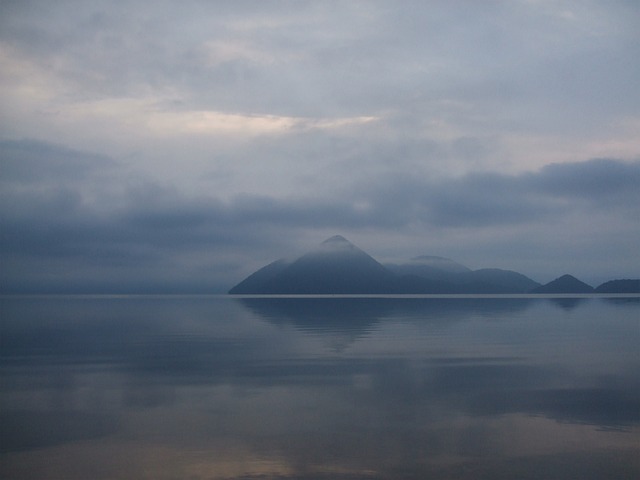
Essential Tips for Navigating the Wild North
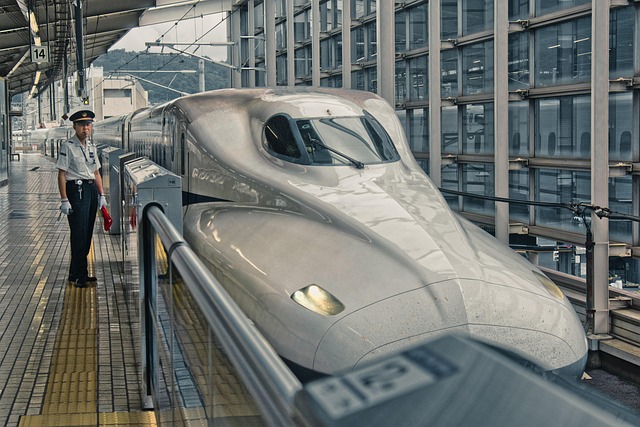
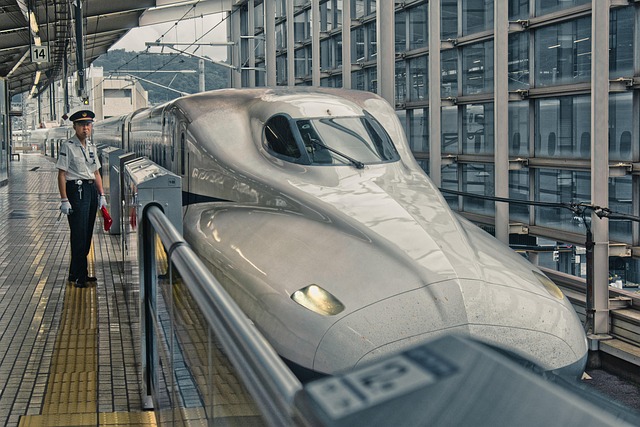
- Prioritize the Limited Express Hokuto: When moving between Hakodate and Sapporo, the Limited Express Hokuto is your lifeline. Reserve your seats at least 48 hours in advance, especially during the winter festival season, as these trains are the primary artery for the region.
- Leverage Luggage Forwarding (Takkyubin): Dragging heavy suitcases through Hokkaido’s deep powder snow is a recipe for exhaustion. Use overnight luggage forwarding services between your major hubs like Hakodate and Sapporo so you can navigate transit stations with ease.
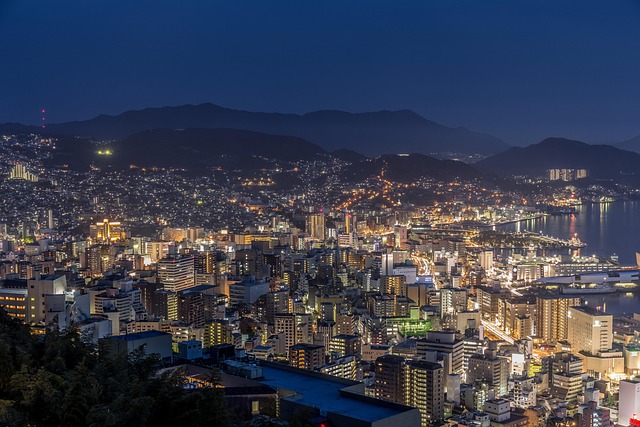
- Monitor the “Golden Hour” at Mt. Hakodate: To capture the iconic “veil of lights” view, arrive at the ropeway summit 45 minutes before sunset. The crowds peak exactly at dusk, so securing a vantage point early is the difference between a serene experience and a wall of smartphones.
- The “Rule of Three” for Winter Logistics: Always add a 30% time buffer to your transit estimates. Winter weather in Hokkaido is fickle; a sudden blizzard can stall trains or slow down highway buses, making tight connections a high-risk gamble.
The Invisible Barrier: The Deception of the Map
The most significant frustration travelers face when planning a Hokkaido excursion is a fundamental misunderstanding of scale. Most guidebooks treat Japan as a compact archipelago where everything is a short Shinkansen ride away. However, Hokkaido operates on a different logic entirely. It represents over 20% of Japan’s landmass but holds a fraction of its rail infrastructure.
Travelers often plot an itinerary that jumps from the historic port of Hakodate to the volcanic vistas of Lake Toya and onto the neon lights of Sapporo, assuming these are “neighborhood” hops. In reality, these legs involve multi-hour journeys through rugged terrain. The genuine frustration arises when visitors realize they have spent 60% of their daylight hours staring out a train window rather than breathing in the crisp mountain air. The “guidebook fatigue” sets in when the reality of Hokkaido’s vastness clashes with a packed, overly optimistic schedule.
Field-Tested Strategies for a Seamless Circuit
To master the southern Hokkaido circuit, the secret lies in the “Linear Progression” model. Instead of using Sapporo as a constant base, move strategically from the south upward. Start your journey in Hakodate, arriving via the Shinkansen or a domestic flight. This allows you to explore the Morning Market and Goryokaku Fort before moving north to Lake Toya.
For those visiting Lake Toya or Noboribetsu, the most effective “insider hack” is utilizing the Ryokan Shuttle Buses. Many high-end onsen resorts offer private shuttle services directly from Sapporo or Chitose Airport for a nominal fee—or sometimes for free. This bypasses the complexity of local bus transfers and ensures your luggage is handled from door to door. Furthermore, if you are visiting the Blue Pond in Biei or the flower fields of Furano, don’t rely solely on local trains; the seasonal “Twinkle Bus” services or a private hire for a day offer far more flexibility than the rigid regional rail timetables.
In Hakodate, skip the long queues for the ropeway on windy nights. Local veterans know that the Mt. Hakodate Climbing Bus offers a spectacular, winding ascent for a fraction of the cost, often with much shorter wait times, providing a different but equally stunning perspective of the city’s unique “waistline” geography.
The Insider’s Verdict: Embrace the Slow Burn
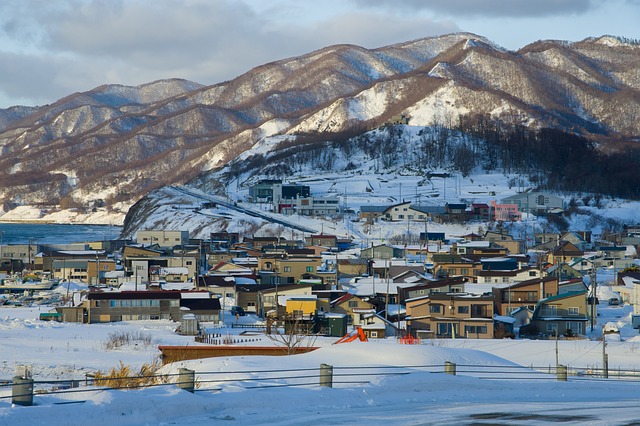
From an industry perspective, Hokkaido is not a destination to be “conquered” in a single week. The mistake most luxury travelers make is trying to replicate a Golden Route (Tokyo-Kyoto-Osaka) pace in the north. Hokkaido demands a slower pulse. The magic of this region isn’t found in checking off ten shrines in a day; it’s found in the steam rising off an outdoor onsen in Noboribetsu while snow falls silently around you, or the first bite of uni (sea urchin) that was in the ocean just hours prior.
My professional recommendation is to adopt a “hub and spoke” strategy only once you reach Sapporo. For the journey up from Hakodate, treat the transit as part of the destination. The coastal views from the Hokuto train are some of the finest in East Asia. If you rush, you miss the very soul of the frontier. Build in a “buffer day” in Sapporo—not for sightseeing, but for recovery and spontaneous discovery. In the world of elite travel, the greatest luxury in Hokkaido isn’t a five-star suite; it’s the gift of time and the flexibility to watch the weather turn.
KEYWORDS: hokkaido winter travel, hakodate night view, lake toya onsen
Photo: Pixabay / Pixabay License