AKIO NARIMATSU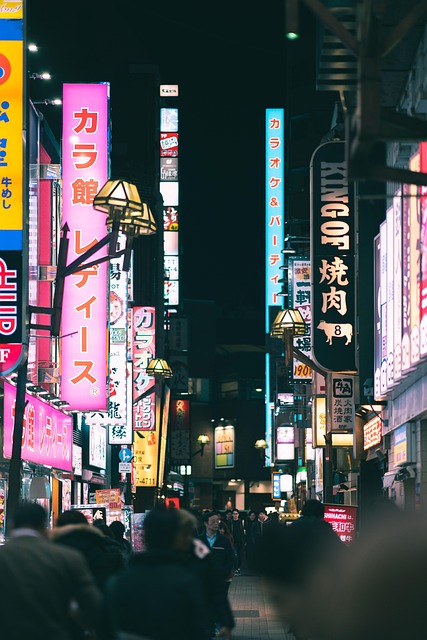
Mastering the Slow Burn: Why Two Weeks in Tokyo is the Ultimate Travel Flex
- Embrace the “Hub and Spoke” Strategy: Use Tokyo as a permanent base and utilize a rail pass for day trips to Nikko, Kamakura, or Hakone to avoid the exhaustion of constant hotel switching.
- Limit Your “Major” Landmarks: Schedule only one high-traffic tourist site per day to prevent burnout and leave room for spontaneous discoveries in the city’s back alleys.
- Download a Multi-Level Navigation Tool: Use specialized transit apps that distinguish between different floor levels in massive hubs like Shinjuku or Tokyo Station to avoid getting lost underground.
- Invest in an IC Card Immediately: Whether it’s a physical Suica or a digital version in your mobile wallet, having a pre-loaded transit card is essential for seamless movement across the city’s complex network of private and public lines.
The “Real” Problem: The Pressure of the Golden Route
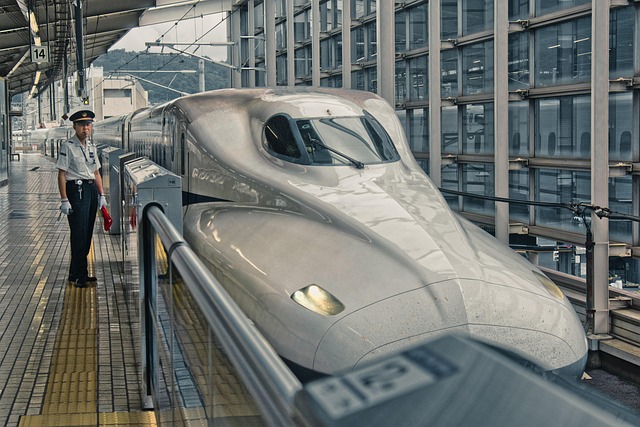
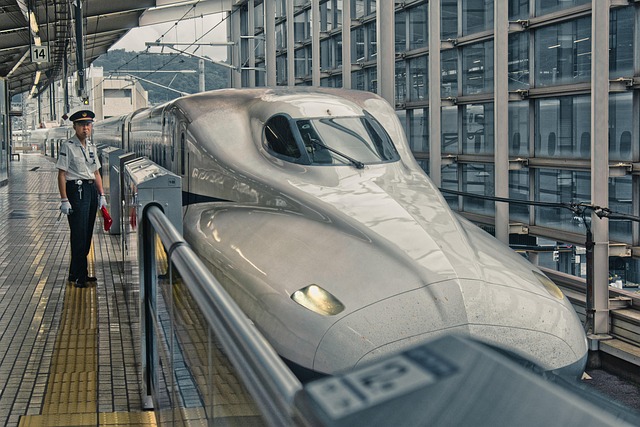
The most significant frustration modern travelers face isn’t a lack of things to do; it is the overwhelming pressure of the “Golden Route.” Traditional guidebooks often suggest that a “complete” trip to Japan must involve a frantic dash between Tokyo, Kyoto, and Osaka within a ten-day window. This creates a high-stress environment where travelers spend more time on the Shinkansen than they do actually absorbing the culture. The genuine fear for many is that by staying in one city for two weeks, they might “miss out” on the rest of the country. However, the reality is the opposite: by rushing, you miss the subtle nuances that make Japan truly extraordinary.
Field-Tested Solutions for the Deep Diver
To truly conquer a 16-day stay in the metropolis, you must shift your mindset from “tourist” to “temporary resident.” Experts who have navigated the city’s depths suggest several workarounds to ensure every day feels fresh. First, categorize your days by micro-neighborhood themes. Instead of just visiting “Shibuya,” dedicate a day to the vintage records and bohemian cafes of Shimokitazawa, or the quiet, “Old Tokyo” atmosphere of Yanaka Ginza. These residential hubs offer a window into daily life that short-term visitors never see.
Second, utilize the city’s specialized districts for deep-dive interests. If you enjoy craft, spend a morning in Kappabashi (the kitchen district) or Nippori Fabric Town. If you are a bibliophile, the hundreds of used bookstores in Jinbocho provide an atmosphere that no high-rise observation deck can match. Finally, remember that Tokyo is the gateway to the Kanto region. A 16-day itinerary allows for “escape valves”—trips to the rugged coast of Enoshima or the mountain air of Mount Takao—which provide a vital sensory reset from the neon lights of the city center.
The Insider Perspective: The Bottomless City
As an industry professional, I often tell clients that Tokyo is not a single city; it is a collection of 23 distinct cities, each with its own soul, dialect of fashion, and culinary identity. The greatest luxury in travel is time. A 16-day stay allows you to experience the city at a human pace. You have the freedom to spend a rainy afternoon in a kissaten (traditional coffee shop) watching the world go by, or to visit a neighborhood shrine three times to see how the light changes.
The “boredom” people fear is actually a gateway to true discovery. When you exhaust the top ten lists on TripAdvisor, you are forced to look closer. That is when you find the eight-seat jazz bar hidden on the fourth floor of a nondescript building, or the local festival happening in a small neighborhood park. In Tokyo, the deeper you dig, the more the city rewards you. You won’t run out of things to do; you will simply run out of time.
KEYWORDS: tokyo city street, shinjuku neon, japan train travel
Photo: Pixabay / Pixabay License