AKIO NARIMATSU
- Master the “Hands-Free” Strategy: Never haul heavy suitcases through train stations. Use Takkyubin (luggage forwarding services) to send your bags from one hotel to the next for a nominal fee, allowing you to transit seamlessly with only a daypack.
- Pre-Book the Essentials: High-demand experiences like the Ghibli Museum or specific Michelin-starred dining spots in Tokyo require booking exactly when windows open (often months in advance). If you miss the window, look for secondary ticketing agents or guided tours that include entry.
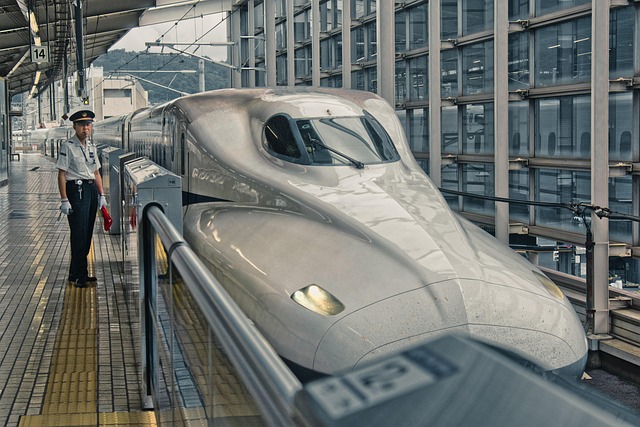
- Optimize Your Transit: For a 19-day itinerary covering Tokyo, Kyoto, and Hiroshima, a national JR Pass may no longer be the most cost-effective option due to recent price hikes. Calculate your individual fares or look into regional passes like the Hokuriku Arch Pass for better value.
- Hydration and Heat Management: June marks the beginning of the rainy season (Tsuyu). Pack high-quality, breathable moisture-wicking fabrics rather than heavy cotton, and utilize the ubiquitous vending machines to stay hydrated between temple visits.
The Invisible Exhaustion of the Golden Route
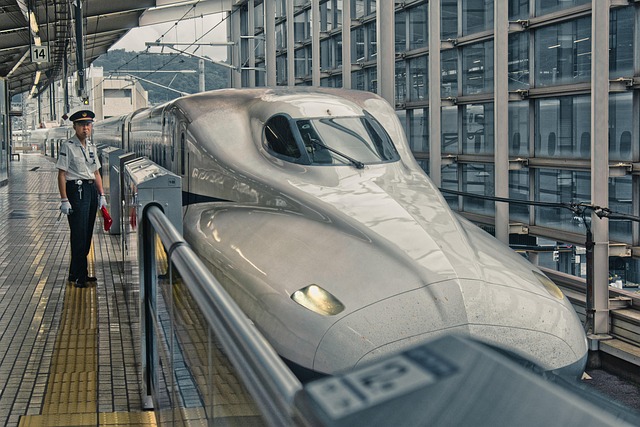
Most guidebooks present a 19-day Japan itinerary as a seamless progression of postcard-perfect moments. They list the temples of Kyoto, the neon lights of Shinjuku, and the solemnity of Hiroshima as items to be checked off a list. However, they rarely mention the logistical friction that sets in by day ten. The “real” problem travelers face isn’t a lack of things to see; it’s the physical and mental fatigue of navigating one of the world’s most complex transit systems while battling the high humidity of early summer.
The constant packing and unpacking, combined with the sensory overload of Japan’s dense urban centers, can turn a dream vacation into a marathon of endurance. Without a strategic “reset” built into the schedule, the subtle beauty of a Zen garden in Kanazawa can easily be overshadowed by the frustration of a missed train connection or the physical toll of walking 20,000 steps a day in the rain.
Field-Tested Strategies for a Balanced Journey
To navigate a long-duration trip successfully, experienced travelers rely on a “hub-and-spoke” model rather than a linear path. Instead of moving hotels every two nights, choose central locations like Osaka or Kanazawa and use them as bases for day trips. This minimizes the “check-out, check-in” cycle that drains precious vacation hours.
The Kanazawa Pivot: While Kyoto is the traditional choice for culture, it can feel claustrophobic during peak hours. Expert itineraries now favor Kanazawa as a sophisticated alternative. It offers a preserved samurai district and one of Japan’s three “Great Gardens” (Kenroku-en) with a fraction of the crowds, providing a much-needed emotional breather before heading back into the intensity of Osaka or Tokyo.
Rainy Season Resilience: June’s rainfall is often characterized by persistent drizzle rather than heavy storms. Instead of canceling outdoor plans, lean into the aesthetic of Ajisai (hydrangea) season. Temples like Meigetsu-in in Kamakura are designed specifically to be viewed in the rain, where the damp stone and vibrant flora create a quintessential Japanese atmosphere that sunny days simply cannot replicate.
The Insider Perspective: Embracing the Slow Burn
As someone who has spent years observing the patterns of inbound tourism, my strongest recommendation for a first-time 19-day trip is to embrace the “Slow Burn.” There is a pervasive fear of “missing out” that drives travelers to cram five cities into their first week. In reality, the most profound experiences in Japan rarely happen at the major landmarks; they happen in the quiet izakayas of Omoide Yokocho or during an early morning walk through the misty streets of Takayama.
The secret to a successful long-haul Japan trip is to treat your itinerary as a living document. Leave “white space” in your calendar. If you find yourself captivated by the craft shops of Kanazawa, stay an extra afternoon and skip a secondary shrine. Japan rewards those who look deeply at one thing rather than glancing at everything. Your goal shouldn’t be to see all of Japan in 19 days, but to ensure that every moment you do spend there is felt deeply, rather than viewed through a lens of exhaustion.
KEYWORDS: Japan summer travel, Kyoto temple, Shinkansen train
Photo: Pixabay / Pixabay License