AKIO NARIMATSU
Mastering the Late-Summer Transition: A Professional Guide to 16 Days in Japan
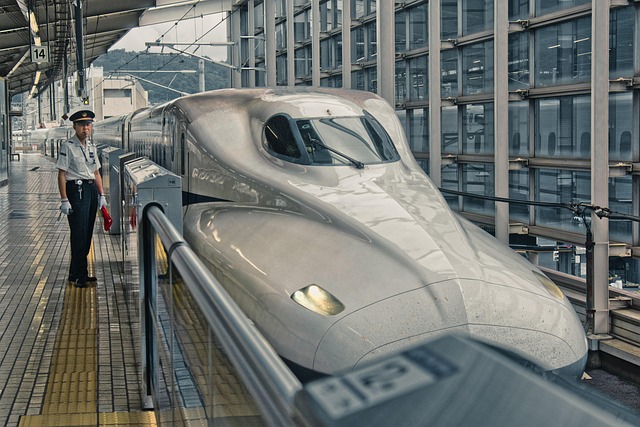
- Implement the “Luggage Leapfrog”: Use Takkyubin (luggage forwarding services) to send your primary suitcases from Tokyo to Osaka, keeping only a small overnight bag for intermediate stops like Hakone. This eliminates the physical strain of navigating transit hubs with heavy gear.
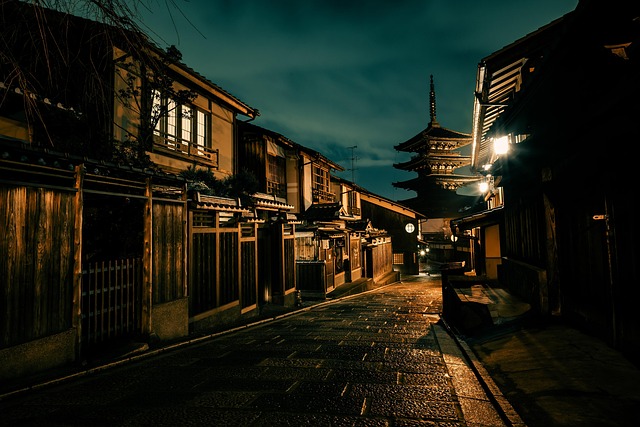
- The 7:00 AM Rule: To experience the soul of Kyoto without the sea of selfie sticks, you must arrive at major sites like Fushimi Inari or Arashiyama before 7:30 AM. By 10:00 AM, these locations reach a density that makes photography and reflection nearly impossible.
- Strategic Hydration and Cooling: In early September, Japanese convenience stores sell frozen plastic water bottles and “cooling sheets” (deodorant wipes with menthol). These are not luxuries; they are essential tools for preventing heat exhaustion during long walking days.
- Digital Prep is Non-Negotiable: Load your Suica or Pasmo card into your Apple or Google Wallet before departure. Physical IC cards are currently in short supply, and the digital version allows for seamless, tap-and-go transit and vending machine purchases.
The “September Mirage”: The Frustration Guidebooks Ignore
Most luxury travel brochures and standard guidebooks market September as the beginning of a serene Japanese autumn. In reality, travelers are often met with the “September Mirage”—a period where the humidity remains at mid-summer levels, and the risk of sudden typhoons can disrupt even the most meticulously planned rail itineraries. The genuine frustration for many first-time duos is the “itinerary fatigue” that sets in by day eight. When you are walking 20,000 steps a day in 85% humidity, the architectural beauty of the twelfth temple starts to blur into the thirteenth. Guidebooks tell you what to see, but they never tell you how to manage the sensory and physical overload that comes from trying to “do it all” in a two-week window.
Field-Tested Solutions for the Modern Traveler
Through extensive field testing and on-the-ground observations, we have identified several workarounds that elevate a standard trip into a seamless experience. First, the “Hub and Spoke” accommodation strategy is superior to constant hotel-hopping. Instead of splitting stays between Kyoto and Osaka, anchor yourself in one—preferably near Osaka’s Umeda or Namba stations. This provides a central base with superior dining and nightlife, while keeping Kyoto’s treasures just a 30-minute rapid train ride away.
Secondly, rethink your “Must-See” list by integrating “Low-Density Alternatives.” If the crowds at Senso-ji in Tokyo feel suffocating, pivot to the Nezu Shrine or the Yanaka Ginza district. These areas offer the same Edo-period charm but allow for a much slower, more intimate pace. Additionally, for those visiting Hakone, skip the traditional “Round Course” loop which funnels every tourist into the same bottleneck; instead, take the ropeway in reverse or explore the lesser-known hiking trails around Lake Ashi to escape the transit queues.
The Insider Perspective: Stamina as a Currency
As a seasoned veteran of the Japanese tourism industry, I view an itinerary not as a list of destinations, but as a management of human energy. The most common mistake I see among ambitious duos is “front-loading” the trip with high-energy activities in Tokyo and Kyoto, leaving them exhausted for the final third of the journey.
In the current landscape of over-tourism in Japan’s “Golden Route,” the true luxury is time and space. I always advise my clients to schedule a “Buffer Day” exactly halfway through a 16-day trip. This is a day with zero scheduled activities, no reservations, and no alarms. Whether you spend it in a neighborhood sento (public bath) or simply wandering a local supermarket, this reset is what allows you to finish your trip with inspiration rather than resentment. Japan is a country of layers; you will see more by doing less, provided that the “less” you do is chosen with intention.