AKIO NARIMATSU
Essential Tactics for Your Next Japanese Adventure
- Digitalize Your Transit: Skip the ticket machines and physical card shortages by adding a digital Suica or Pasmo card directly to your smartphone’s wallet before you leave the airport.
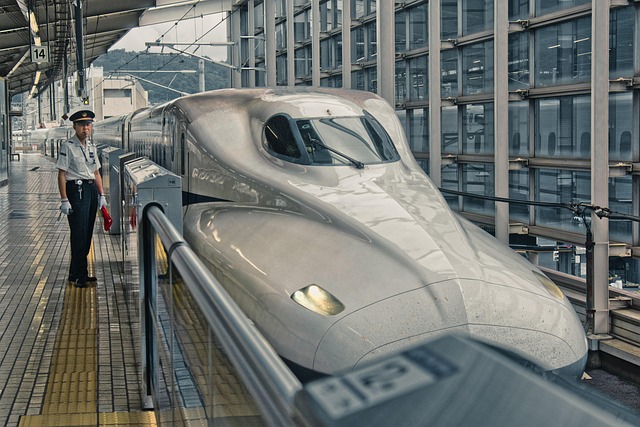
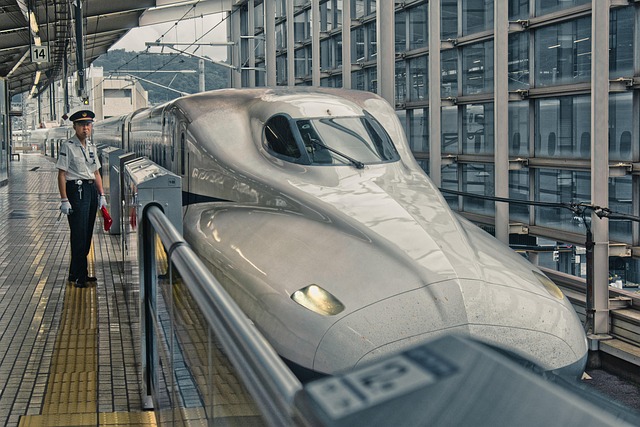
- Leverage the “Hands-Free” Network: Use Takkyubin (luggage forwarding) to send your heavy suitcases between hotels for a nominal fee, allowing you to travel between cities via Shinkansen with only a small daypack.
- The 11:00 AM Dining Rule: To avoid hour-long queues at popular eateries, aim to have an early lunch or make reservations via local concierge apps at least two weeks in advance.
- Check Small-Scale Accommodations: Look beyond global chains; traditional Ryokans or boutique “business hotels” often offer superior locations and more authentic service at a fraction of the cost.
The Invisible Friction: What Guidebooks Forget to Mention
While every guidebook highlights the beauty of the Kinkaku-ji or the neon glow of Shinjuku, few prepare the modern traveler for the “logistical fatigue” of a high-density nation. The real problem isn’t finding something to see; it is the mental tax of navigating a system that is currently operating at absolute capacity. From the anxiety of securing a seat on the “Hello Kitty” Shinkansen to the sudden realization that many traditional shops still operate on a cash-only basis, the friction of daily movement can quickly overshadow the magic of the destination.
Travelers often find themselves trapped in a cycle of “over-optimization,” spending more time staring at navigation apps than at the scenery. This digital dependency, combined with the physical demands of walking 20,000 steps a day, creates a unique kind of exhaustion that can turn a dream vacation into a series of stressful hurdles.
Field-Tested Strategies for a Seamless Experience
Mastering the Last-Mile Transit
While the JR Pass was once the gold standard, recent price hikes mean it is no longer the default choice for savvy travelers. Instead, focus on regional passes or simply pay-as-you-go. For those traveling with families, the real secret is the “Taxi-to-Station” strategy. In cities like Kyoto, where the bus system is often overwhelmed, a short taxi ride to a peripheral train station can save you forty minutes of standing in a crowded queue.
The Gourmet Convenience Hack
In Japan, the Konbini (convenience store) is not a compromise; it is a resource. When high-end restaurants are fully booked, seasoned travelers look to the high-quality seasonal offerings at stores like Lawson or FamilyMart. For a premium experience without the reservation stress, explore the “Depachika”—the sprawling food halls located in the basements of major department stores like Isetan or Takashimaya—where world-class bento boxes and wagyu cuts are available for immediate enjoyment.
Beating the Crowds at Iconic Sites
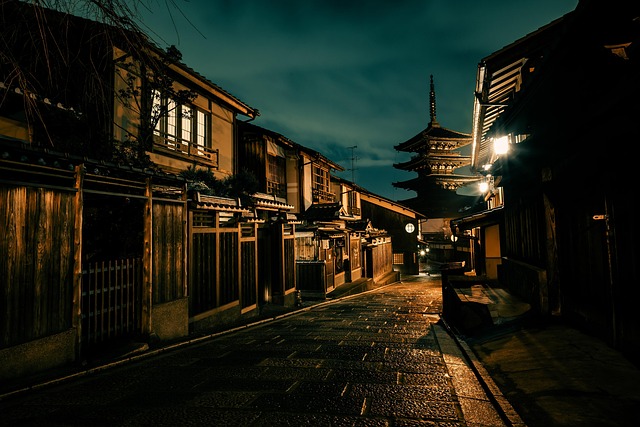
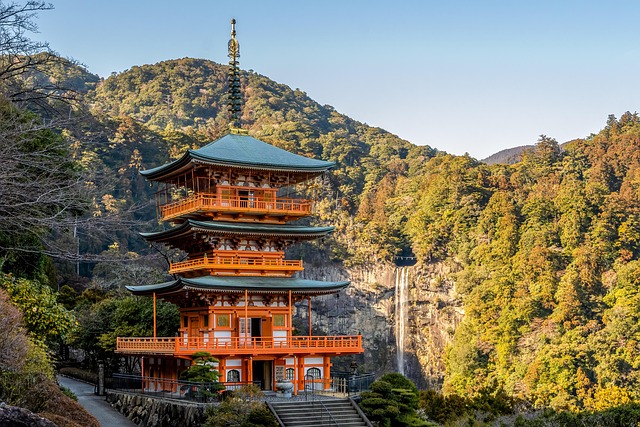
The “Golden Route” is more popular than ever, but you can bypass the surge by reversing your clock. Visit popular shrines at sunrise—most are open 24 hours and are hauntingly beautiful at 6:00 AM—and save your indoor shopping or museum visits for the mid-afternoon when the heat and outdoor crowds are at their peak.
An Insider’s Perspective: The Shift Toward Slow Travel
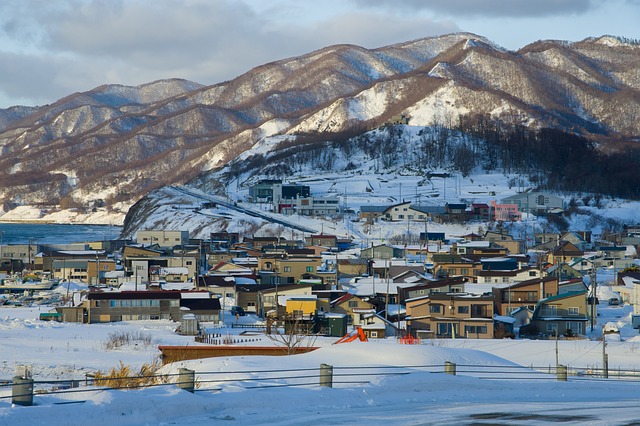
As someone who has watched the Japanese tourism landscape evolve over decades, I am seeing a profound shift in how the most successful trips are structured. We are moving away from the “checklist” era of tourism. The most rewarding experiences currently aren’t found at the top of a Tokyo skyscraper, but in the “Second Cities” like Kanazawa, Onomichi, or Fukuoka.
The true luxury in Japan today is space and time. By choosing to spend three nights in a single neighborhood rather than rushing through three cities in a week, you allow the country to reveal its subtle charms—the smell of incense from a neighborhood altar, the craftsmanship of a local ceramicist, or the perfect silence of a moss garden. To truly master Japan, one must learn the art of leaving some stones unturned.
KEYWORDS: japan bullet train, kyoto street, shibuya crossing
Photo: Pixabay / Pixabay License