AKIO NARIMATSU
Essential Strategies for Your Extended Japanese Expedition
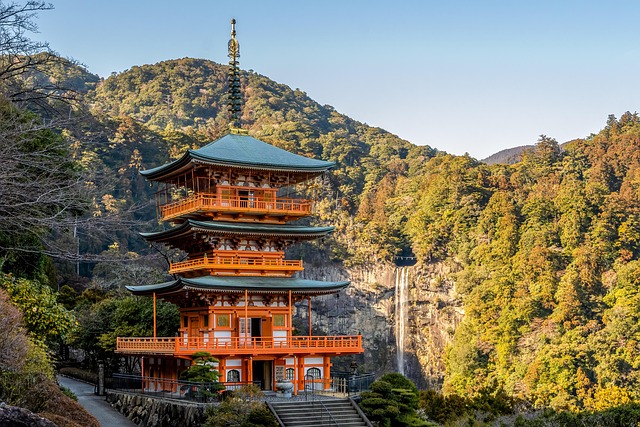
- Master the Hands-Free Journey: Utilize Takkyubin (luggage forwarding) to send your primary suitcases between major cities, carrying only a technical daypack for 2-3 day hiking excursions in the Japan Alps or the Kumano Kodo.
- The “Rule of Seven”: On itineraries exceeding 30 days, schedule a mandatory “zero day” every seventh day with no planned transit or sightseeing to prevent “temple burnout” and logistics fatigue.
- Regional Connectivity: Download the Yamap or Yamanobori apps for real-time trail conditions and offline topographical maps that provide far more detail than standard GPS applications.
- Hyper-Local Weather Tracking: Use the Japan Meteorological Agency (JMA) website rather than global weather apps; their “High-Resolution Precip Nowcast” is the only reliable way to navigate mountain micro-climates.
The Invisible Burden of the Long-Haul Itinerary
Most guidebooks present Japan as a seamless montage of neon lights and serene shrines, scrubbed clean of the friction that comes with actual travel. The “real” problem that travelers face—especially those planning ambitious five-week treks across the archipelago—is the compounded cognitive load of logistics. While a one-week trip to Tokyo and Kyoto is manageable, a 35-day itinerary involving rural hiking, mountain huts, and multiple rail transfers requires a level of mental endurance that catch-all guides simply ignore. The frustration isn’t finding a great ramen shop; it is the soul-crushing weight of navigating rural bus schedules written only in kanji when you are exhausted from a 15-kilometer mountain ascent.
Field-Tested Solutions for the Modern Explorer
To survive and thrive during an extended stay, sophisticated travelers are moving away from the “linear” itinerary in favor of Hub-and-Spoke Basecamping. Instead of checking into a new hotel every two nights—which consumes hours in check-in formalities and packing—strategic travelers choose central nodes like Matsumoto, Kanazawa, or Fukuoka for 5-7 days. From these hubs, you can execute day trips to trailheads or historical villages, returning to the same bed and the same familiar laundry facilities at night.
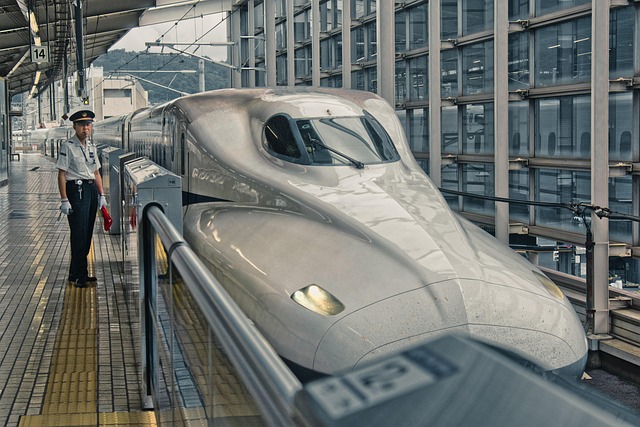
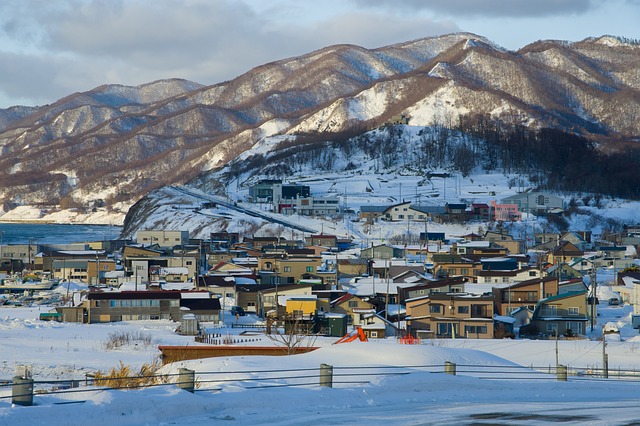
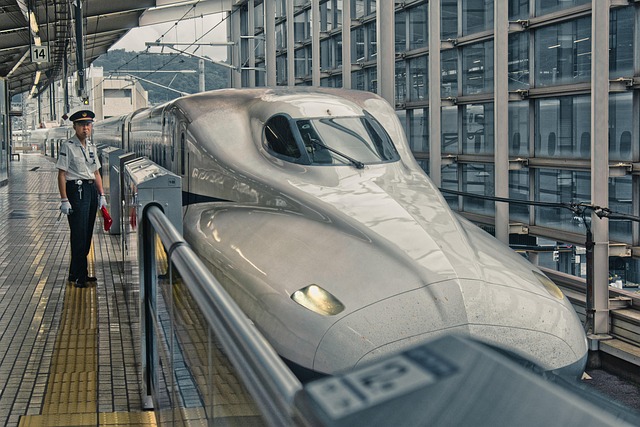
Furthermore, the secret to navigating the “Deep North” or the Central Alps is not the JR Pass, but the Regional Highway Bus. While the Shinkansen is iconic, it misses the most dramatic landscapes. Sophisticated itineraries now prioritize premium highway buses which offer “Green Car” levels of comfort, power outlets, and direct access to hiking trailheads that trains simply cannot reach, often at a third of the price of a rail ticket.
The Insider Perspective: Beyond the “Golden Route”
As someone who has watched Japan’s tourism landscape evolve over decades, I’ve observed a critical shift: the most rewarding experiences are now found in the transitional spaces. The true magic of a 35-day trip isn’t the destination at either end; it’s the small, unnamed town where you stop for coffee between a mountain hike and a coastal train ride.
My professional advice for those attempting an “all-over” itinerary is to stop treating Japan like a checklist of sights and start treating it as a series of atmospheres. Do not fear the “empty” days in your schedule. In a country as densely packed and high-sensory as Japan, silence and space are the ultimate luxuries. If you spend 35 days chasing every “Top 10” list, you will return home needing a second vacation. If you balance your hiking intensity with deliberate stillness in secondary cities like Onomichi or Morioka, you will find the version of Japan that most travelers only dream of discovering.
KEYWORDS: japan hiking mountains, luggage forwarding service, rural japanese landscape
Photo: Pixabay / Pixabay License