AKIO NARIMATSU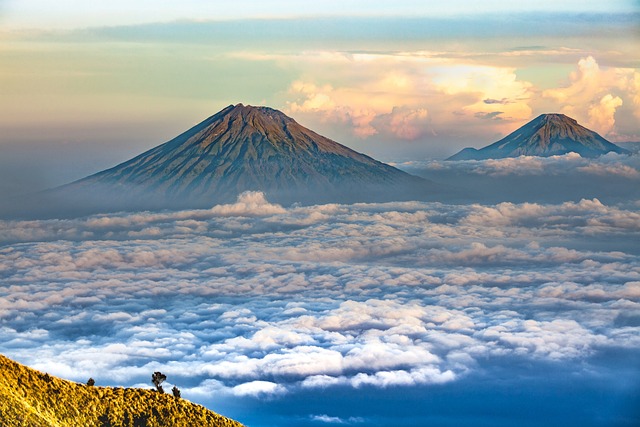
Essential Kyushu: Master Your Journey Across Japan’s Southern Frontier
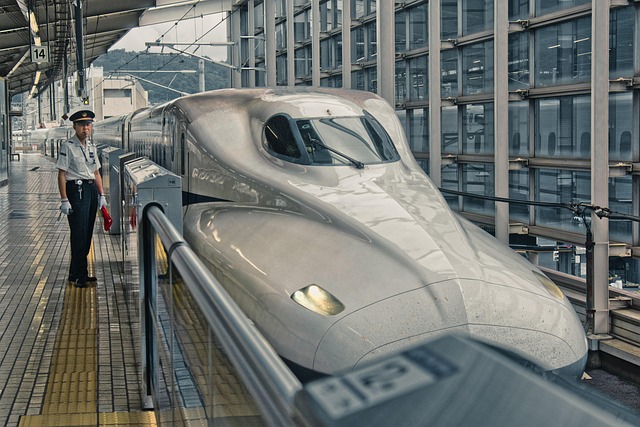
- Secure the “Aso Boy!” Early: This iconic limited express train features panoramic windows and a wooden interior; it sells out weeks in advance. If you miss it, the local lines to Aso are significantly slower and less frequent.
- The 48-Hour Rental Rule: While Fukuoka is a transit dream, the heart of Kyushu—Mount Aso and the Kuju Highlands—is best explored by car. Rent a vehicle specifically for the central leg of your trip to avoid two-hour waits for mountain buses.
- Check the Crater Status Daily: Mount Aso is an active volcano. Gas levels and seismic activity can close the access to the crater rim without warning. Check the official Aso Volcano Disaster Prevention Council website at 8:30 AM before departing.
- Fukuoka’s Yatai Strategy: To experience the famous riverside food stalls without the 45-minute queues, head to the lesser-known Nagahama district rather than the tourist-heavy Nakasu island.
The Invisible Barrier: Why “Tokyo Logic” Fails in Kyushu
The most common mistake international travelers make is applying the “Tokyo Logic” to the southern island of Kyushu. In the Golden Route (Tokyo-Kyoto-Osaka), trains run every few minutes, and logistics are a background thought. In Kyushu, logistics are the journey. Guidebooks often gloss over the “dead zones” between Beppu’s steaming vents and the caldera of Mount Aso. Many travelers arrive only to realize that missing a single bus connection can cost them half a day of sightseeing, turning a relaxing hot-spring getaway into a stressful race against a rigid timetable.
The genuine frustration isn’t a lack of infrastructure; it’s the deceptive scale of the landscape. Kyushu is rugged, mountainous, and demands a slower, more deliberate pace that many high-intensity itineraries fail to respect. Trying to “do” Beppu and Aso in a single day using only public transport is a recipe for seeing more of the inside of a bus station than the actual scenery.
Field-Tested Hacks for a Seamless Itinerary
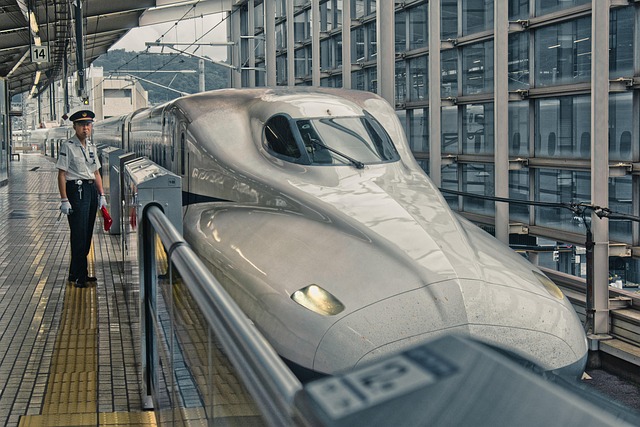
To navigate these challenges, seasoned travelers utilize a hub-and-spoke model centered on Fukuoka. Rather than hauling luggage through mountain passes, keep a base in Hakata (Fukuoka) for the beginning and end of your trip. Use the high-speed Shinkansen to reach Kumamoto or the “Sonic” express for Beppu, but leave the heavy bags in a station locker or utilize the takuhaibin (luggage forwarding) service to send your suitcases directly to your final hotel.
In Beppu, the “Hells” (Jigoku) can feel like a tourist trap if approached incorrectly. The secret is to skip the multi-site pass and focus on Umi Jigoku (Sea Hell) for the aesthetics and Chinoike Jigoku (Blood Pond Hell) for the atmosphere. Spend your saved time—and money—booking a private kashikiri bath in a traditional ryokan in the Kannawa district. This offers a much more authentic immersion into the region’s geothermal culture than the crowded public viewpoints.
When tackling Mount Aso, the “Milk Road” driving route is the ultimate insider workaround. While the train drops you at the base, driving along the rim of the caldera provides views that are physically impossible to see from the rail tracks. It allows you to stop at Daigombo, the highest point on the northern rim, for a 360-degree panorama of the “Five Peaks of Aso” that most tourists miss entirely.
The Insider’s View: Kyushu as the Soul of Japan
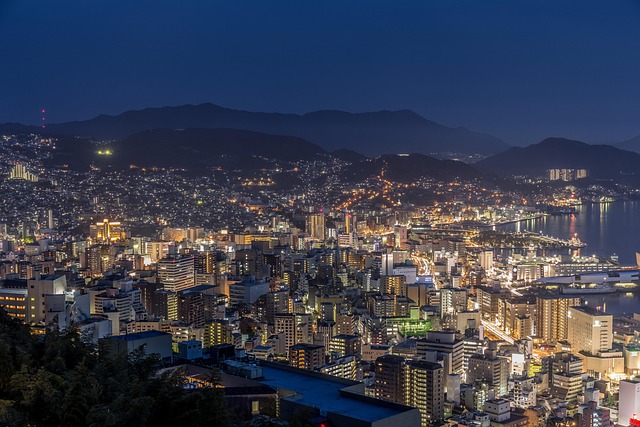
From an industry perspective, Kyushu represents the “New Frontier” of Japanese inbound tourism. While the crowds in Kyoto have reached a breaking point, Kyushu offers a raw, geological power that feels ancient and unpolished. It is a region of contrasts: the neon-lit, ramen-fueled nights of Fukuoka versus the silent, sulfurous mists of the Oita highlands.
The true luxury of a Kyushu trip isn’t found in a five-star hotel, but in the micro-moments: the smell of steam rising from the roadside vents in Beppu, the first bite of Hakata Tonkotsu ramen after a long hike, and the profound silence of the Aso grasslands. To truly master this region, you must stop treating it as a checklist of sights and start treating it as a landscape to be inhabited. Slow down, rent the car, soak in the sulfur, and let the southern island dictate the tempo.
KEYWORDS: Kyushu landscape, Beppu onsen, Mount Aso volcano
Photo: Pixabay / Pixabay License