AKIO NARIMATSU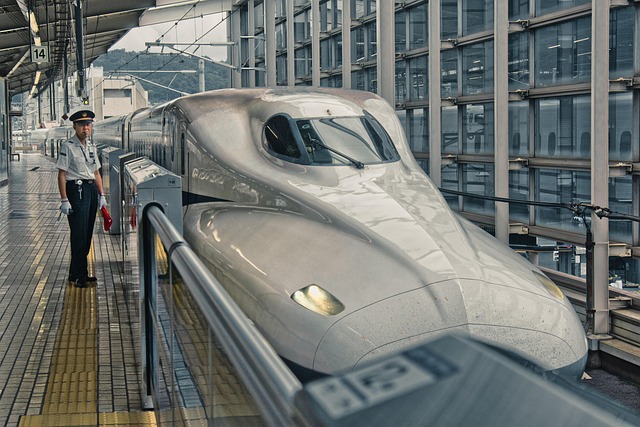
Mastering the Golden Route: A Guide for First-Time Travelers to Japan
- Leverage Hands-Free Travel: Utilize the “Takkyubin” luggage forwarding service between major cities. For a modest fee, your heavy suitcases will be delivered from hotel to hotel, allowing you to navigate the Shinkansen and transit hubs with nothing but a daypack.
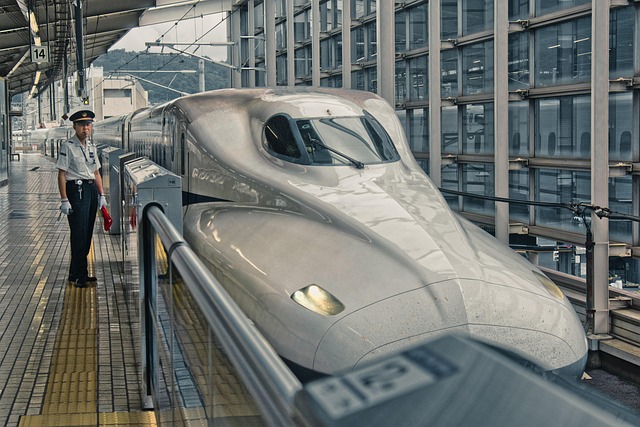
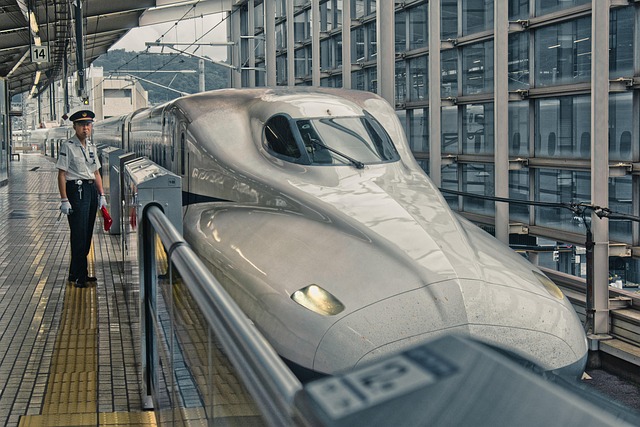
- The “Right-Side” Strategy: When booking your Shinkansen tickets from Tokyo to Kyoto, always request “Seat E” in ordinary cars or “Seat D” in Green Cars to secure a front-row view of Mount Fuji as you speed past.
- Digital Transit Integration: Avoid the confusion of physical ticket machines by adding a Suica or Pasmo card directly to your smartphone’s digital wallet before you even land. This ensures seamless entry into the world’s most complex rail network.
- The Morning Buffer: Arrive at iconic sites like Fushimi Inari or the Arashiyama Bamboo Grove before 7:30 AM. By 10:00 AM, the atmosphere shifts from spiritual to congested, fundamentally altering the quality of your experience.
The “Checklist Trap” Guidebooks Never Mention
The most significant challenge facing first-time visitors to Japan isn’t the language barrier or the navigation of the Tokyo subway—it is the psychological toll of the “Checklist Trap.” Most guidebooks present Japan as a series of disparate, high-impact landmarks. This leads travelers to curate itineraries that look magnificent on paper but are grueling in practice.
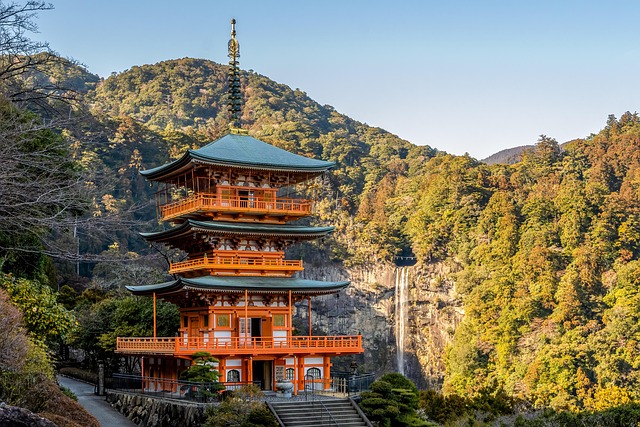
The genuine frustration arises on day four or five, when “temple fatigue” sets in. When your schedule is packed with back-to-back visits to Kinkaku-ji, Kiyomizu-dera, and Fushimi Inari, these architectural marvels begin to blur into a singular, exhausting memory. The frustration is compounded by the “commute-to-sightseeing ratio.” Without a professional’s eye for geography, many travelers spend 40% of their waking hours in transit between “must-see” spots, missing the actual soul of the country that exists in the quiet streets between them.
Field-Tested Strategies for Itinerary Balance
To overcome the logistical hurdles of a first-time trip, seasoned travelers rely on a “hub-and-spoke” model rather than a linear trek. Instead of moving hotels every two nights, establish “home bases” in major hubs like Osaka or Kyoto. Osaka, in particular, serves as a superior culinary and transit hub for day trips to Nara, Kobe, and even Hiroshima, offering a more vibrant nightlife and lower accommodation costs than its neighbors.
Another insider hack is the “Rule of One.” Plan one major, non-negotiable activity for the morning, and leave the afternoon entirely to the whims of the neighborhood you find yourself in. This allows for the discovery of small-batch kissatens (traditional coffee shops) or local shrines that aren’t on any map. Furthermore, utilize the “Depachika”—the sprawling food halls in the basements of major department stores like Isetan or Takashimaya—for high-end dining experiences at a fraction of restaurant prices. It is the most efficient way to sample regional delicacies without needing a reservation months in advance.
An Insider’s Perspective: The Value of “Ma”
In Japanese aesthetics, there is a concept called “Ma”—the beauty of the empty space between things. As someone who has watched thousands of itineraries unfold, the most successful trips are those that respect this concept. The magic of Japan isn’t found in the frantic rush to see the “Top 10” sights; it is found in the silence of a suburban garden, the precision of a convenience store clerk, and the unexpected kindness of a local helping you find your way.
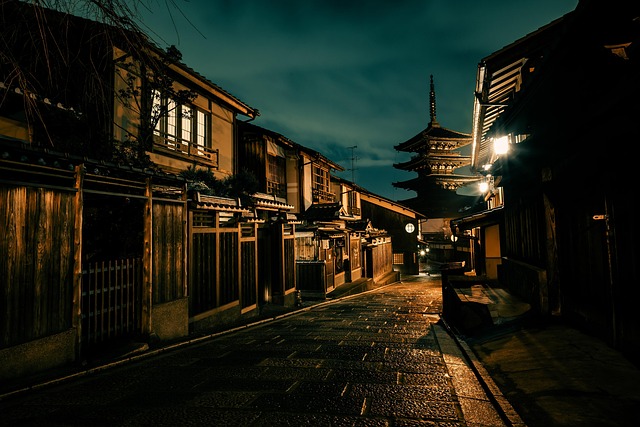
My advice to the modern traveler is to stop trying to “see” Japan and start trying to “experience” it. If you spend your entire trip behind a camera lens chasing a guidebook’s recommendation, you will miss the subtle cues that make this country truly unique. Shift your focus from the destination to the transition. The train ride, the vending machine discovery, and the walk through an anonymous alleyway are just as vital to your Japanese journey as the Great Buddha of Nara.
KEYWORDS: Japan travel itinerary, Kyoto temple, Shinkansen train view
Photo: Pixabay / Pixabay License