AKIO NARIMATSU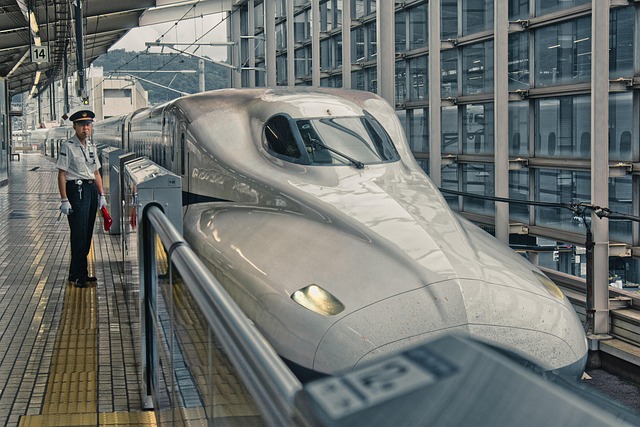
Essential Logistics for a Seamless Japanese Arrival
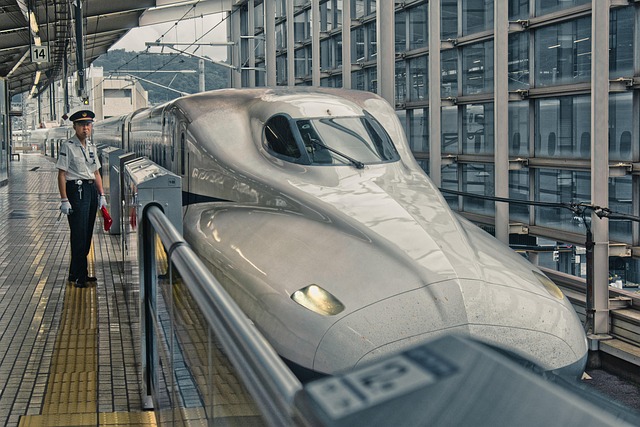
- Master the Art of “Hands-Free” Travel: Use Takkyubin (luggage forwarding services) to send your heavy suitcases from the airport to your hotel, or between cities. Traveling on the Shinkansen with oversized luggage is increasingly regulated and physically taxing.
- Prioritize Digital Transit Cards: Add a digital Suica or Pasmo card to your smartphone’s wallet before you even land. It eliminates the need to fumble with physical tickets or cash at vending machines and works for everything from subways to convenience store snacks.
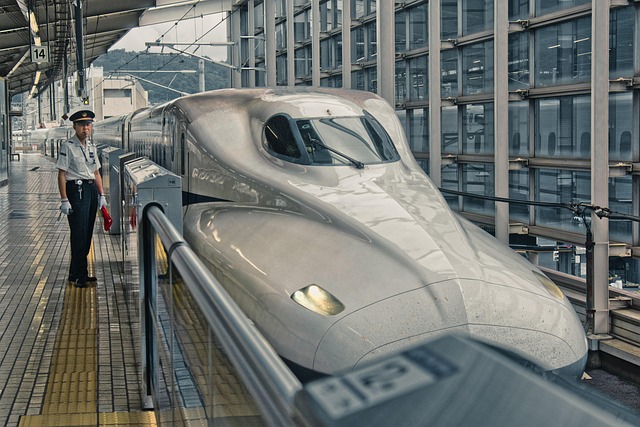
- The “Right Side” Strategy: When booking a Shinkansen from Tokyo to Kyoto, request a seat on the “E” side (right side) for the best chance of viewing Mount Fuji as you speed past.
- Adopt the “Hub and Spoke” Model: Instead of changing hotels every two nights, pick a central base like Osaka to explore Kyoto, Nara, and Kobe. You will save hours of repetitive check-ins and luggage management.
The Invisible Exhaustion of the “Golden Route”
Most guidebooks present the classic Tokyo-Kyoto-Osaka circuit as a series of picturesque highlights, but they gloss over the “real” problem: the cumulative fatigue of the Japanese urban environment. Travelers often underestimate the sheer amount of walking involved—frequently exceeding 20,000 steps a day on concrete and subway stairs. By day five, the “temple burnout” is a genuine psychological wall. Guidebooks suggest seeing ten shrines in a day, but they don’t mention that after the third one, the spiritual serenity is replaced by the frustration of navigating shoulder-to-shoulder crowds and complex navigation apps.
Field-Tested Workarounds for the Modern Traveler
To bypass the common pitfalls of a first-time itinerary, experienced travelers utilize a few specific, under-the-radar hacks. First, swap the crowded “top-ten” breakfast spots for high-end Depachika (department store basement food halls). You can source gourmet, seasonal meals that rival Michelin-starred bento boxes without the two-hour wait.
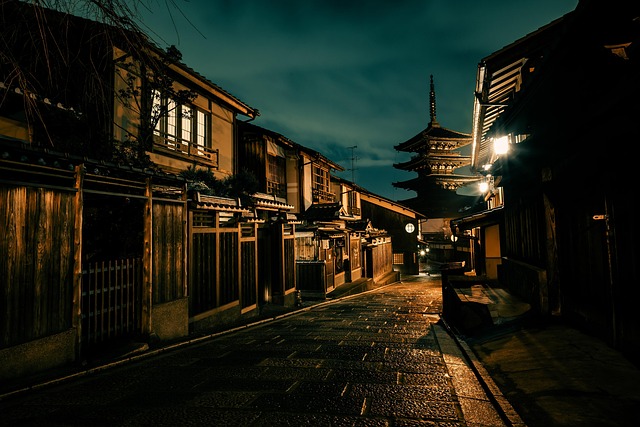
Second, if you find yourself overwhelmed by the intensity of Tokyo’s Shinjuku or Shibuya, seek out the “third spaces”—local public libraries or the upper floors of stationary stores like Itoya. These offer a silent, climate-controlled sanctuary that most tourists overlook. Additionally, for those visiting Kyoto, the “Reverse Commute” is essential: visit the famous bamboo groves or shrines at sunrise, then retreat to your hotel or a quiet neighborhood cafe by 10:00 AM when the tour buses arrive. Use the afternoon for “unplanned wandering” in residential areas like Yanaka in Tokyo or the side streets of Gion, where the true character of Japan lives.
An Insider’s Perspective: The Luxury of the Empty Space
After decades of observing the flow of inbound tourism, my most vital piece of advice is this: Protect your white space. In our rush to maximize every Yen and every hour, we often treat Japan like a checklist to be conquered rather than an atmosphere to be inhabited. The most profound memories of Japan rarely happen at the foot of a famous landmark; they happen during a quiet conversation with a master craftsman in a back-alley workshop, or while watching the light change over a moss garden when no one else is around.
True expertise in traveling through Japan isn’t about knowing which train to take; it’s about knowing when to stop. Build “buffer days” into your itinerary where nothing is booked and nothing is mandatory. Japan is a country of layers—historical, social, and culinary. To peel those layers back, you need time, silence, and the willingness to get a little bit lost. Don’t just visit Japan; allow yourself the stillness required to actually experience it.
KEYWORDS: Japan travel itinerary, Shinkansen train, Kyoto temple
Photo: Pixabay / Pixabay License