AKIO NARIMATSU
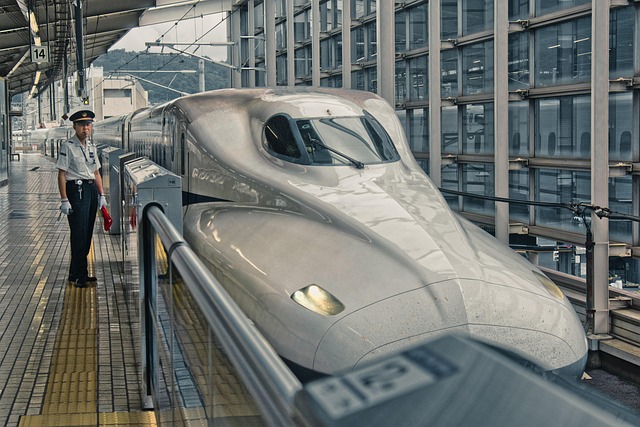
- Leverage the “Hands-Free” Travel Network: Use the nationwide Takkyubin luggage forwarding service to send your suitcases between cities. Navigating Shinkansen platforms and subway stairs with a family of four and bulky bags is the single biggest cause of travel friction.
- Digital IC Cards are Mandatory: Add a Suica or Pasmo card to your smartphone’s digital wallet before you land. It eliminates the need to stand in line at ticket machines and works seamlessly for trains, buses, and even vending machines.
- The “2-2-2” Rule for Dining: Book your high-end dinners two months in advance, target 11:30 AM for popular lunch spots to beat the rush, and utilize high-quality convenience stores (combini) for quick, stress-free breakfasts.
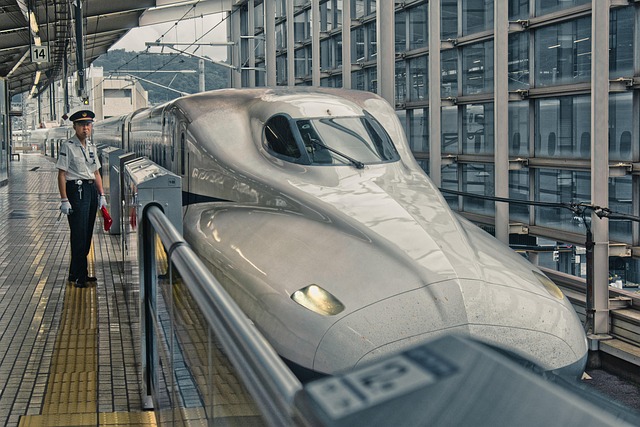
- Reserve the “Mount Fuji Side” Seats: When traveling from Tokyo to Kyoto on the Shinkansen, always request seats in Row E (standard) or Row D (Green Car) to catch the iconic view of the mountain from your window.
The Invisible Tax: The Frustration Guidebooks Ignore
Most guidebooks present Japan as a seamless, clockwork marvel of efficiency. While the trains do run on time, there is an “invisible tax” on first-time travelers that rarely makes it into the glossy pages: logistical fatigue. For a family of four, the sheer density of information—navigating the subterranean labyrinths of Shinjuku Station or deciphering the etiquette of a traditional neighborhood—can lead to a specific kind of burnout by day four.
The real problem isn’t the language barrier; it’s the over-optimization of itineraries. Many travelers attempt to treat Tokyo, Kyoto, and Osaka as a checklist, resulting in a “transit-heavy” trip where more time is spent staring at Google Maps than at the Golden Pavilion. This frantic pace often leads to “Temple Burnout,” where the tenth shrine begins to look exactly like the first, and the joy of discovery is replaced by the obligation of the schedule.
Field-Tested Strategies for a Harmonious Journey
The “Hub and Spoke” Methodology
Rather than changing hotels every two nights to be “closer” to specific attractions, savvy travelers now adopt a hub-and-spoke model. By staying in a central location like Ueno or Shinagawa in Tokyo, or near Kyoto Station, you eliminate the constant packing and unpacking. It is far more efficient to take a 30-minute train ride than to coordinate a full-family hotel checkout and check-in process.
The “One Major, One Minor” Daily Rhythm
To combat the aforementioned burnout, the most successful first-time itineraries follow a simple rule: schedule one major “must-see” site in the morning (like Senso-ji or Fushimi Inari) when energy levels are high, and leave the afternoon for “neighborhood drift.” This allows for the spontaneous moments—stumbling upon a hidden stationery shop or a quiet park—that actually form the core of your travel memories.
The Evening Reset
Instead of hunting for a restaurant every night while everyone is tired, use the depachika (department store basement food halls). Places like Isetan or Takashimaya offer gourmet-grade bento, sushi, and Wagyu beef at a fraction of restaurant prices. It’s the ultimate “insider hack” for a high-quality, low-stress family dinner in your hotel room after a long day of exploring.
An Insider’s Perspective: From Tourist to Traveler
In my years observing the evolution of Japan’s inbound tourism, I have noticed that the most satisfied visitors are those who give themselves permission to miss things. Japan is a country of layers; you cannot peel them all back in ten days. The secret to an elite travel experience is depth over breadth.
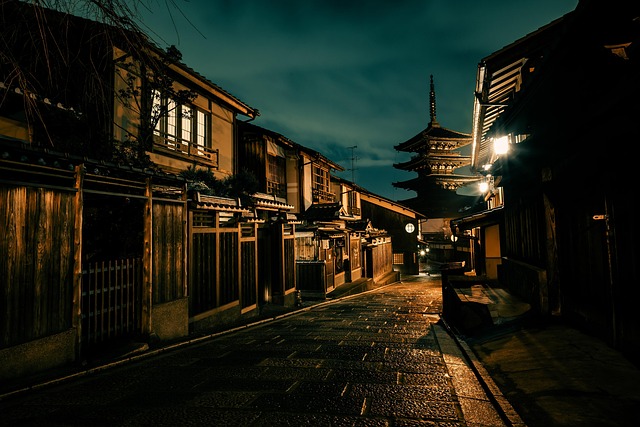
Don’t just visit Kyoto because the guidebook says so; visit it because you’ve scheduled a private tea ceremony or a guided walk through the philosopher’s path that allows for quiet contemplation. The “Golden Route” (Tokyo-Kyoto-Osaka) is popular for a reason, but its true magic is found in the gaps between the landmarks. Your goal shouldn’t be to see Japan, but to feel the rhythm of it. Focus on the transit as part of the experience, the food as an education, and the occasional wrong turn as an invitation to see a side of the country that no map can accurately capture.
KEYWORDS: japan family travel, kyoto street, shinkansen train station
Photo: Pixabay / Pixabay License