AKIO NARIMATSU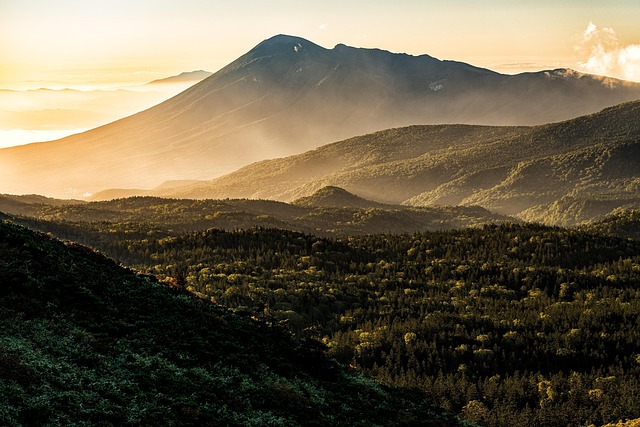
Essential Tips for Your Morioka Adventure
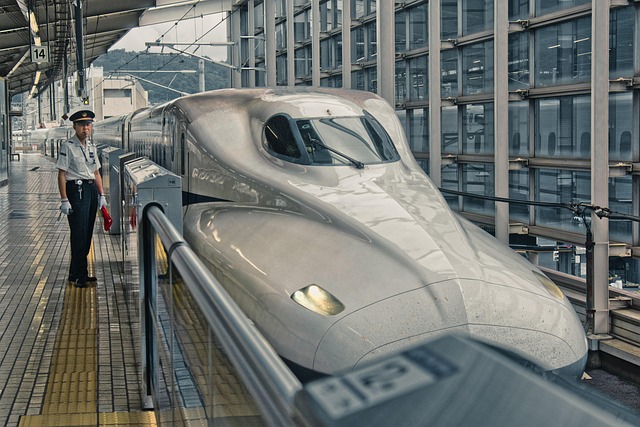
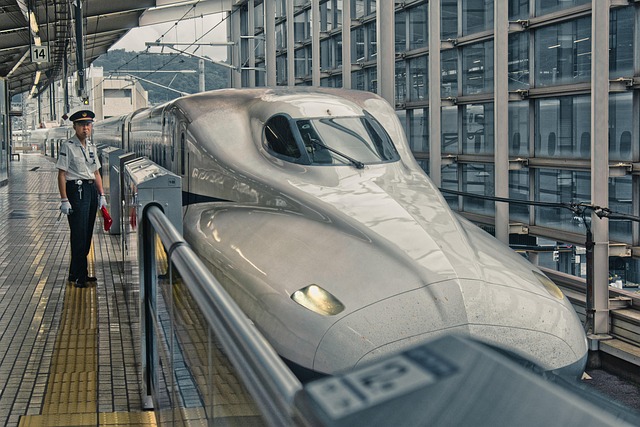
- Leverage the JR East Tohoku Area Pass: Morioka is a major Shinkansen hub; use it as your strategic base to explore nearby Kakunodate or Hiraizumi while keeping your luggage in one central hotel.
- Master the “Denden-mushi” Loop Bus: For just 100 yen per ride, this convenient circular bus connects the station to every major cultural site, saving your energy for walking the scenic riverside paths.
- Book Your “Wanko Soba” Experience in Advance: This iconic “all-you-can-eat” noodle challenge is incredibly popular; walking in during peak hours often results in a two-hour wait.
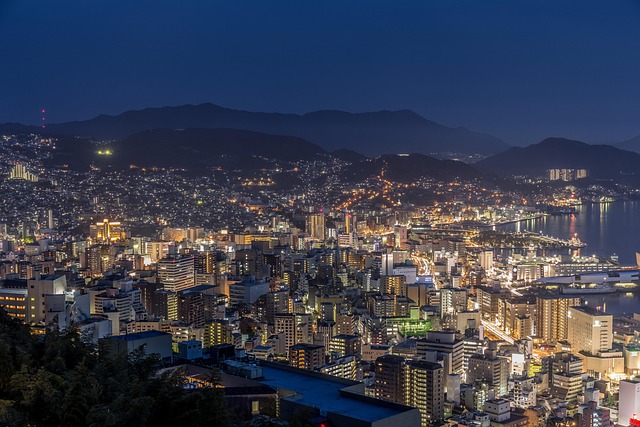
- Visit in the “Blue Hour”: The view of Mount Iwate from the Kaiun-bashi Bridge is most spectacular just after sunset when the city lights begin to twinkle against the mountain’s silhouette.
The “Middle-Child” Dilemma: Why Guidebooks Fail the Tohoku Region
The genuine frustration many travelers face when planning a trip to Japan is the polarizing nature of modern travel media. You are often presented with two extremes: the neon-soaked sensory overload of Tokyo and Osaka, or the hyper-preserved, often crowded “living museums” of Kyoto and Kanazawa. Guidebooks frequently describe cities like Morioka as merely “charming” or “a convenient stopover,” which leaves the sophisticated traveler asking: “Is it actually worth my limited time?”
The fear of the “empty city” is real. Travelers worry that stepping off the Shinkansen in Iwate Prefecture will lead to quiet streets with nothing but shuttered storefronts and a lack of English support. This misconception often leads people to stick to the “Golden Route,” missing out on the soul of the Japanese north because they lack a clear roadmap for a city that doesn’t shout for attention.
Field-Tested Strategies for an Authentic Morioka Experience
To truly unlock Morioka, you must look past the standard tourist checklists and embrace the city’s unique “human scale.” The secret to a successful visit lies in the Nakatsugawa River walk. Unlike the concrete-channeled rivers of larger metropolises, this river remains a wild, living heart of the city where salmon run in the autumn. Walking the banks between the Morioka Castle Site Park and the Konyacho district reveals a side of Japan that feels both ancient and effortless.
For those seeking the “real” local flavor, the city’s coffee culture is an insider hack. Morioka has one of the highest densities of independent coffee roasters and “kissaten” (traditional tea houses) in Japan. Instead of searching for a major landmark, spend an hour at Abe Coffee or the historic Bank of Iwate Red Brick Building. These spots aren’t just photo ops; they are the social fabric of the city where you can witness the quiet, sophisticated lifestyle of the Tohoku people away from the tourist throngs.
Another overlooked strategy is using Morioka as a culinary laboratory. While everyone knows about Wanko Soba, the true local flex is the Morioka Reimen (cold noodles) at Pyon-Pyon-Sha or Jajamen. These dishes reflect the city’s history of cultural exchange and offer a refreshing break from the standard sushi-and-ramen circuit found elsewhere.
The Industry Perspective: Why the North is the Future of Tourism
From an industry standpoint, Morioka represents the “New Japan”—a destination that prioritizes quality of life and authenticity over mass-market appeal. There is a reason this city was catapulted into the global spotlight recently; it offers a rare equilibrium. It provides the infrastructure of a modern capital—high-speed rail, excellent hotels, and refined dining—without the “theme park” atmosphere that has begun to plague more famous historical districts.
The sophisticated traveler is no longer looking for a checklist of sights; they are looking for a sense of place. Morioka delivers this through its Mingei (folk craft) heritage. When you visit the Morioka Handi-Works Square, you aren’t just buying a souvenir; you are engaging with a living tradition of ironware (Nambu Tekki) that has survived for centuries. My professional advice is to stop treating the north as an “add-on” and start viewing it as the primary destination. In Morioka, you aren’t a spectator; you are a guest in a city that still belongs to its residents.
KEYWORDS: morioka city, iwate prefecture, mount iwate
Photo: Pixabay / Pixabay License