AKIO NARIMATSU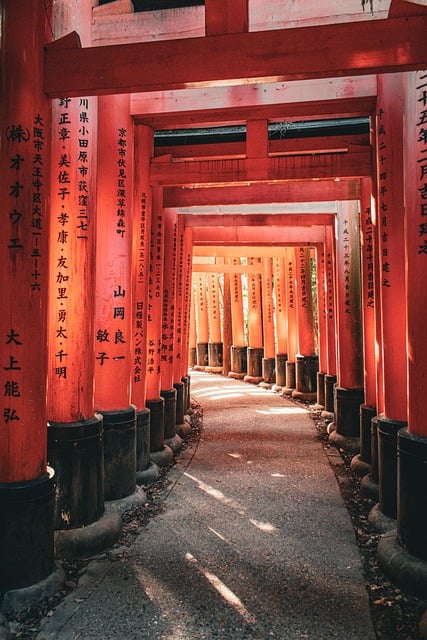
Essential Strategies for Your First Solo Journey Through Japan
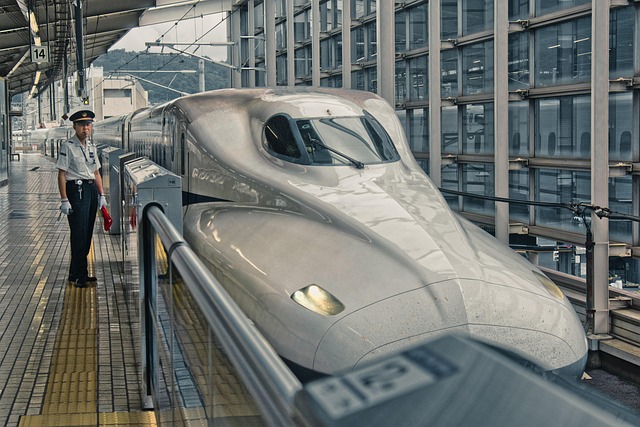
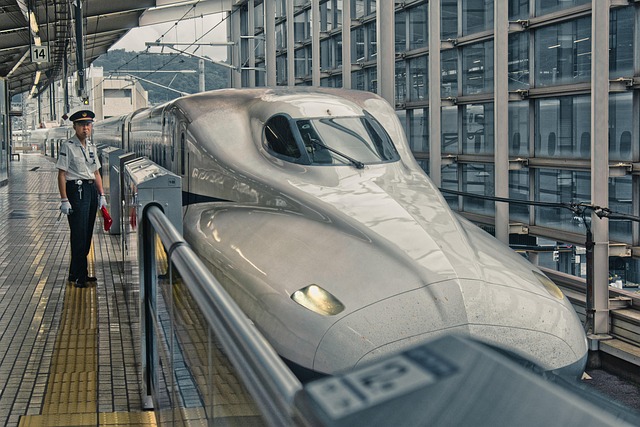
- Leverage “Takkyubin” Luggage Forwarding: Never struggle with suitcases on crowded Shinkansen platforms. Arrange for your hotel to ship your bags to your next destination for a nominal fee, allowing you to travel light with just a daypack.
- Digital Transit Cards are Mandatory: Don’t waste time at ticket machines. Add a digital Suica or Pasmo card to your smartphone’s wallet before you arrive to navigate subways and convenience stores with a single tap.
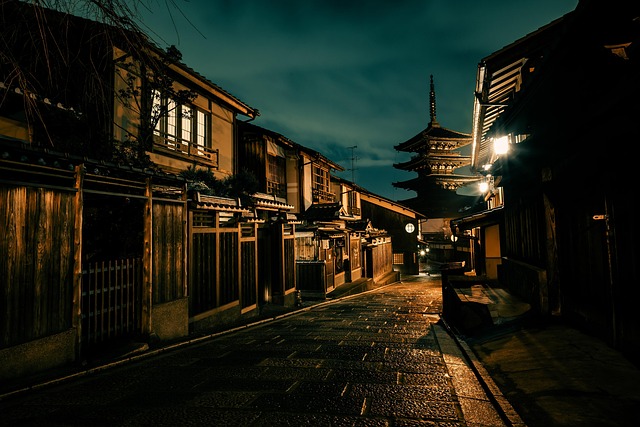
- The 7:00 AM Rule: To experience Kyoto’s iconic sites like Fushimi Inari or Arashiyama without the crushing crowds, you must arrive shortly after sunrise. By 10:00 AM, the atmosphere shifts from spiritual to commercial.
- Pre-Book Your Pocket Wi-Fi: While public networks are improving, a dedicated portable hotspot is the only way to ensure seamless navigation through Tokyo’s complex underground labyrinths.
The Invisible Exhaustion of the “Golden Route”
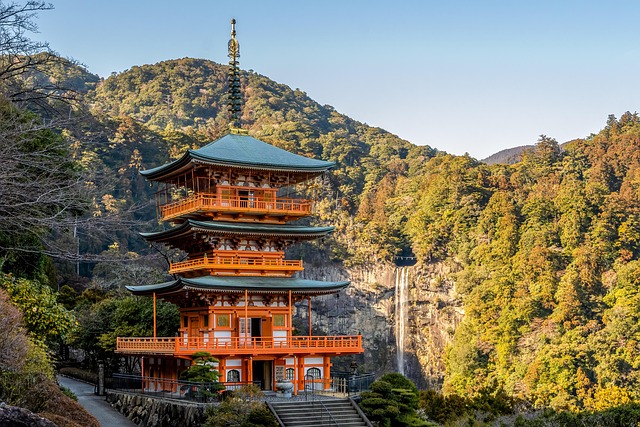
Standard guidebooks present the classic Tokyo-Hakone-Kyoto-Osaka circuit as a seamless transition of cultural highlights. However, they rarely mention the sensory and physical toll this itinerary takes on a solo traveler. The “real” problem isn’t the distance; it’s the “Checklist Trap.” Travelers often find themselves sprinting between Shinto shrines and neon districts, only to realize by day nine that every temple is beginning to look the same. This “temple fatigue” is compounded by the sheer mental load of navigating a foreign language and complex transit systems alone, often leading to burnout before the trip even reaches its climax in Osaka.
Field-Tested Workarounds for the Modern Explorer
To bypass the common pitfalls of the two-week itinerary, seasoned travelers utilize several “under the radar” tactics to reclaim their energy and experience. First is the “Secondary City Pivot.” Instead of spending every night in the heart of Shinjuku or Gion, smart travelers are increasingly using smaller hubs like Uji or Nara as their base. These areas offer a slower pace and lower costs while remaining just a short train ride from the major sights.
Another insider hack involves the Hakone “Reverse Loop.” Most tourists follow the Hakone Round Course in a predictable clockwise direction, leading to massive bottlenecks at the ropeway and sightseeing cruise. By starting your journey in the late morning and moving counter-clockwise, you effectively move against the grain of the tour groups, securing a private experience at the volcanic vents of Owakudani. Furthermore, for those solo dining, seeking out “tachigui” (standing-only) noodle shops or department store depachika food halls offers high-quality Japanese cuisine without the social pressure or reservation requirements of high-end sit-down restaurants.
The Insider’s Verdict: Embrace the “White Space”
From an industry perspective, the most successful Japan itineraries aren’t the ones packed with the most attractions, but the ones with the most strategic downtime. Japan is a country of “Ma”—the space between things. If your schedule is a back-to-back list of monuments, you miss the very essence of Japanese hospitality and Zen. My professional recommendation is to schedule a “zero day” in the middle of your two-week trip—perhaps in a Hakone ryokan or a quiet Kyoto neighborhood—where the only goal is to wander without a map.
Ultimately, solo travel in Japan is a masterclass in self-reliance. By automating your logistics (like luggage and transit) and allowing yourself the freedom to skip a “must-see” landmark in favor of a quiet coffee shop in a residential alleyway, you transform a standard vacation into a genuine cultural immersion. The Golden Route is a foundation, not a set of handcuffs; give yourself permission to deviate from it.
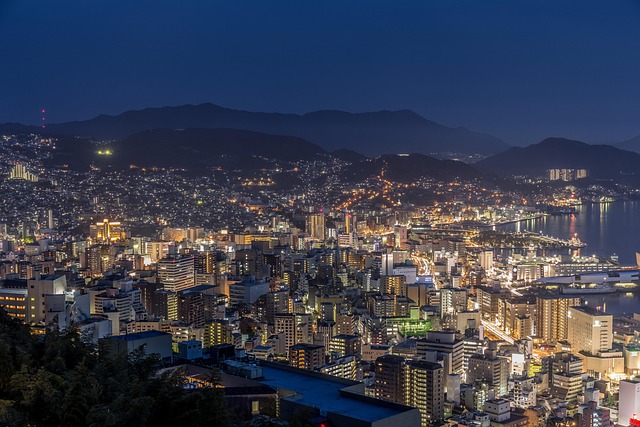
KEYWORDS: Japan solo travel, Tokyo skyline, Kyoto temple
Photo: Pixabay / Pixabay License