AKIO NARIMATSU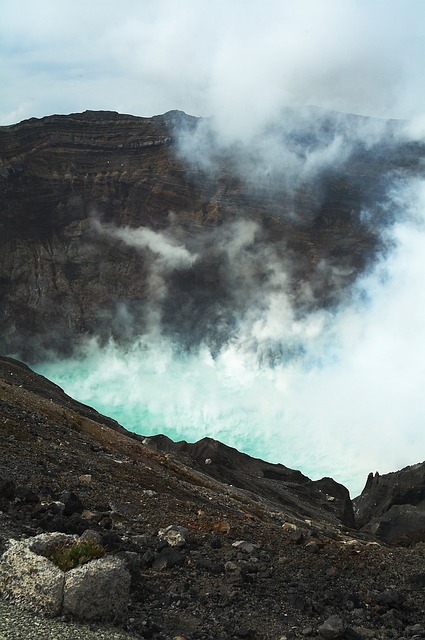
Mastering the Wild South: A 14-Day Blueprint for the Ultimate Kyushu Road Trip
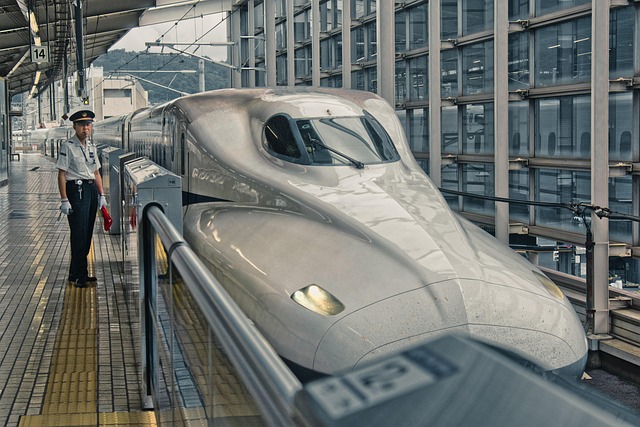
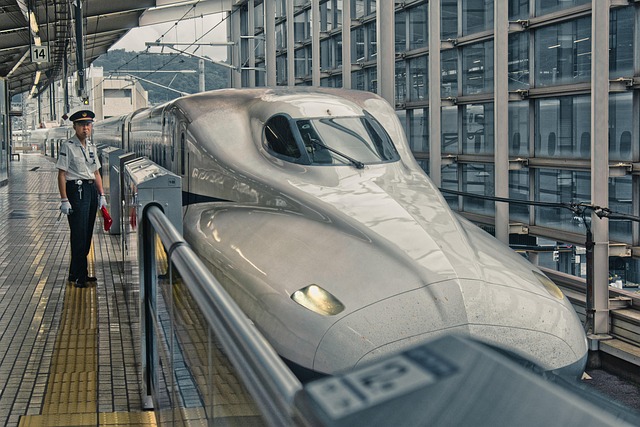
While the neon lights of Tokyo and the temples of Kyoto command the world’s attention, seasoned travelers know that Japan’s soul is found in the rugged, volcanic landscapes of the south. Kyushu is a land of steaming vents, emerald gorges, and ancient forests—but it is also a region that demands a level of logistical precision that most tourists overlook. To experience the “Real Japan,” you have to step off the Shinkansen and behind the wheel.
- Secure an International Driving Permit (IDP) early: You cannot rent a vehicle in Japan without the 1949 Geneva Convention model permit. Obtain this in your home country at least a month before departure.
- Request an ETC Card: When booking your rental, always opt-in for an Electronic Toll Collection (ETC) card. Japan’s expressways are efficient but expensive; the card allows you to breeze through gates and pay the balance upon car return.
- Book the Takachiho Rowing Experience in advance: The iconic rowboats at Takachiho Gorge sell out weeks ahead. If you miss the online window, arrive at the kiosk by 7:30 AM for the limited same-day walk-up slots.
- Pack a dedicated “Onsen Bag”: A small tote with a light towel and toiletries is essential. In rural Kyushu, you will encounter spontaneous roadside hot springs and footbaths that you won’t want to miss.
The “Real” Problem: The Public Transit Trap
The most significant frustration travelers face in Japan is the “Golden Route” bias. Guidebooks often suggest that the Japan Rail Pass is the skeleton key to the country. However, once you cross the bridge into Kyushu, the myth of hyper-connectivity begins to crumble. Many of the island’s most breathtaking sites—the caldera of Mt. Aso, the secluded ryokans of Kurokawa Onsen, and the misty shrines of Kirishima—are virtually inaccessible by train. Travelers relying solely on public transit find themselves tethered to rigid bus schedules that run only twice a day, or stuck in “tourist bubbles” while the true wilderness remains just out of reach. The frustration isn’t just about time; it’s about the loss of spontaneity that defines a great journey.
Field-Tested Solutions for the Independent Explorer
To truly unlock Kyushu, you must embrace the road trip. Driving in Japan is surprisingly civilized, provided you understand the nuances of the rural landscape. One of the most effective “insider hacks” is the Kyushu Expressway Pass, which offers fixed-rate tolling for foreign visitors—a massive cost saver for a 14-day loop.
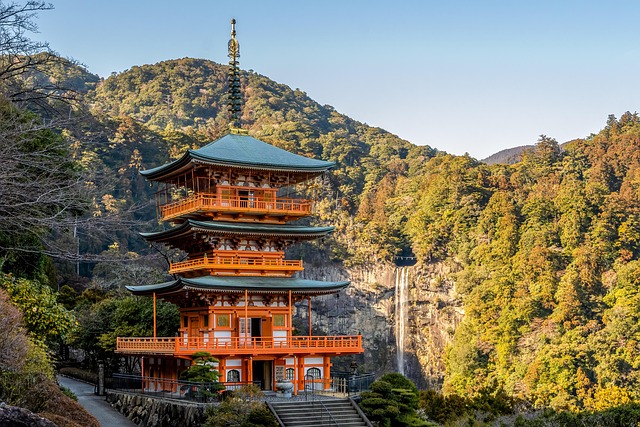
When navigating the central highlands, don’t just aim for the famous viewpoints. The real magic happens at spots like the Kamishoami Kumanoza Shrine, a “power spot” tucked away in a cedar forest that feels like a scene from a Ghibli film. Unlike the crowded shrines of Kyoto, here you can find total silence. Another workaround for the “over-tourism” seen in Beppu’s “Hells” is to head further into the mountains to Kurokawa Onsen. Use the Nyuto Tegata (wooden pass) which allows you to sample three different open-air baths at various ryokans for a fraction of the cost of a stay.
For those visiting Mt. Aso, always check the volcanic activity levels on the official local monitors before setting out. The road to the crater can close without warning due to gas emissions. Having a rental car allows you to pivot instantly to the Daibahana Viewpoint, offering a panoramic view of the world’s largest inhabited caldera that no bus tour will ever show you.
The Insider Perspective: Why Kyushu is the Future of Japanese Travel
As an industry professional, I’ve watched the “Kyoto Fatigue” settle in among luxury travelers. The shift is now toward Slow Travel and Wellness Tourism, and Kyushu is the undisputed champion of both. This island offers a raw, geological energy that the urban centers lack. Whether it’s the active smoking cone of Sakurajima looming over Kagoshima or the black sand baths of Ibusuki, Kyushu provides a sensory experience that is deeply grounded in nature.
The secret to a successful Kyushu itinerary is rhythmic pacing. Start in the vibrant hub of Fukuoka for your culinary “fix” (specifically the yatai food stalls), then immediately head into the mountains. End your journey in the south at the Sengan-en gardens in Kagoshima. By circulating the island clockwise, you follow the historical path of the samurai while gradually moving into deeper, more restorative landscapes. Kyushu isn’t just a destination; it’s a masterclass in the Japanese philosophy of satoyama—the harmony between mountain and village.
KEYWORDS: kyushu road trip, mt aso volcano, japanese onsen town
Photo: Pixabay / Pixabay License