AKIO NARIMATSU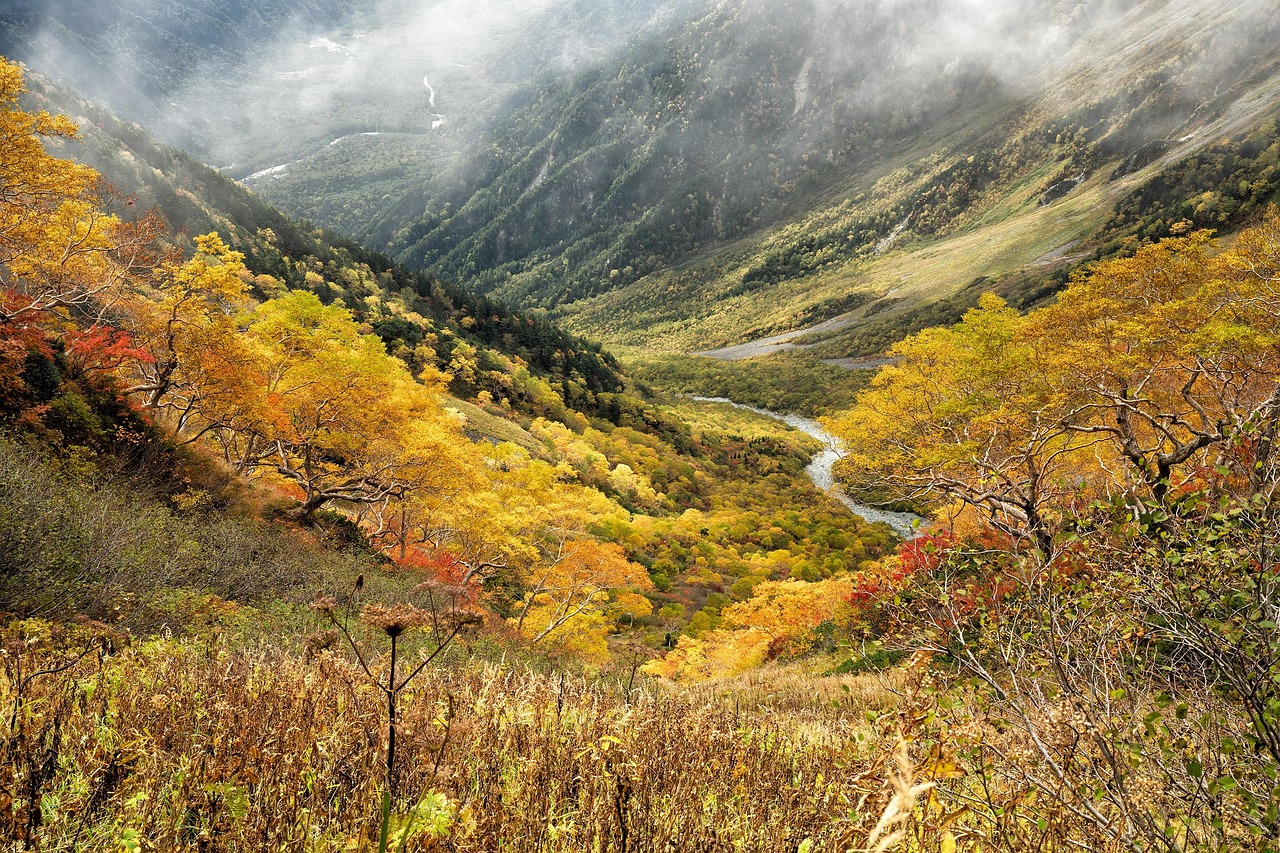
As a seasoned traveler, you know that the “best time to visit Japan” is often a matter of debate. However, the window between mid-May and late June presents a unique set of challenges that most guidebooks gloss over. This is the transition from the pleasant “Shinryoku” (fresh greenery) to the humid onset of the “Tsuyu” (rainy season).
Before we dive into the strategy, here are the immediate actions you should take for a trip during this period:
- Ditch the “Golden Route” Monopoly: Allocate at least 30% of your itinerary to “Secondary Hubs” (like Kanazawa, Matsumoto, or Okayama) to avoid the suffocating humidity and crowds of Tokyo/Kyoto.
- Master the “Empty Hands” Strategy: Use Takkyubin (luggage forwarding) not just for convenience, but as a tactical tool to navigate rural bus systems that lack luggage space.
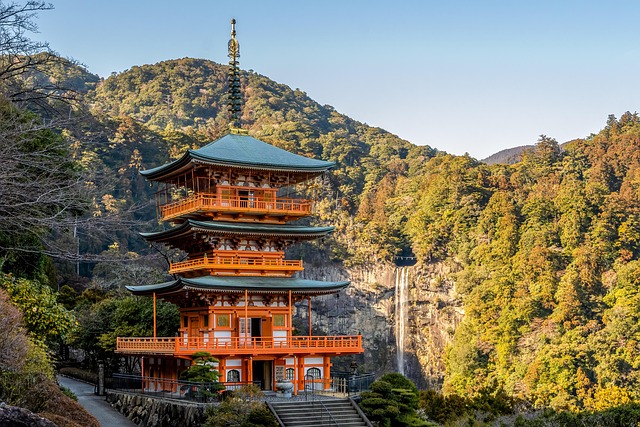
- Prioritize “Water-Resistant” Destinations: Focus your countryside visits on moss gardens, cedar forests, and misty valleys where rain actually enhances the aesthetic.
- The 10 AM Rule: Complete your outdoor rural exploration before 10:00 AM to beat both the rising humidity and the tour bus influx.
The “Real” Problem: The Friction of the Last Mile
The most significant struggle travelers face in the late spring isn’t just the unpredictable weather; it’s the “Logistical Friction” of the Japanese countryside. Most itineraries look beautiful on Google Maps, but they fail to account for the physical toll of navigating rural infrastructure in rising humidity.
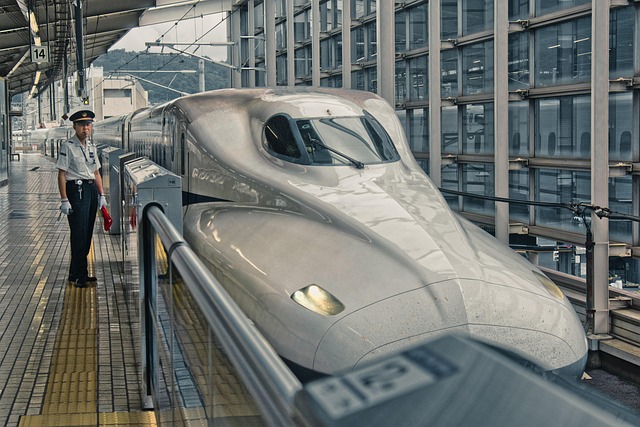
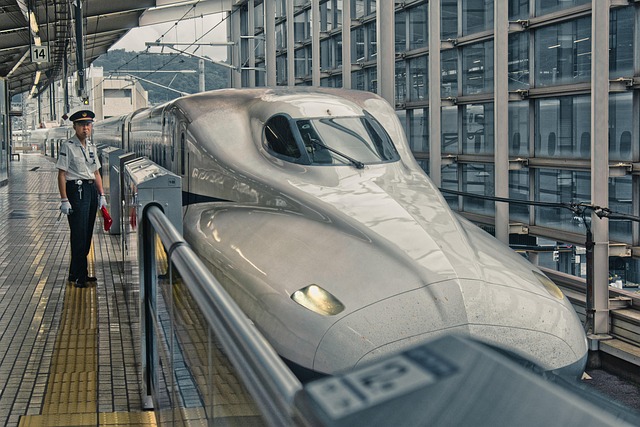
Guidebooks suggest “visiting a mountain village,” but they don’t mention that once you step off the Shinkansen, you are often at the mercy of a local bus that runs once every two hours. Standing on a rural roadside in 85% humidity, waiting for a bus that may or may not have room for your oversized suitcase, is where the “dream vacation” often hits a wall. The real problem is a mismatch between “City Speed” and “Countryside Reality.”
The Hidden Solutions: Tactical Maneuvers for the Modern Explorer
To bypass these hurdles, seasoned travelers and those “in the know” employ a few unconventional tactics:
1. The “Regional Hub” Pivot
Instead of trying to see the “countryside” as a series of day trips from Tokyo, relocate your base to a mid-sized city. For example, staying in Matsumoto allows you to access the Japan Alps with ease, while Takamatsu serves as the perfect springboard for the Art Islands of Shikoku. These hubs offer modern amenities and English support but put you 60 minutes closer to the “authentic” Japan, saving you hours of transit fatigue.
2. The “Two-Night, One-Bag” Rotation
In May and June, do not drag your large suitcases to the countryside. Use a forwarding service to send your main luggage from Tokyo to your next major city (e.g., Osaka), and take only a backpack for a 48-hour rural excursion. This allows you to utilize local rental cycles or walk between village shrines—activities that are impossible with heavy gear.
3. The “Rain-Positive” Itinerary
If the forecast turns grey, don’t stay in the city malls. Head to places like Koyasan or the Hakone moss gardens. In Japan, there is a specific beauty found in wet nature. The vibrant greens of the maple leaves and the deep smell of Hinoki cypress are at their peak during the rains of June. By leaning into the weather rather than hiding from it, you experience a version of Japan most tourists miss.
The Professional Insight: The “Shinryoku” Advantage
From an industry perspective, May and June are actually the “Smart Traveler’s Window.” While the world chases the fleeting cherry blossoms in April, the Shinryoku (New Greenery) season offers stable pricing and significantly better visibility for mountain views.
The secret to a successful trip during this time is Flexibility of Format. Most travelers over-schedule their days. In the humidity of late spring, your physical endurance will be roughly 70% of what it is in autumn. My professional advice: Build “Buffer Afternoons.” Plan one major rural activity in the morning, and leave the afternoon open for a local Sento (public bath) or a slow cafe session. In the Japanese countryside, the “magic” doesn’t happen at the famous viewpoint; it happens in the quiet moments when you aren’t rushing to catch the next train.