AKIO NARIMATSU
Essential Tactics for Your Next Tokyo Residency
- The “Three-Platform” Rule: When selecting a hotel, ensure the nearest station is served by no more than three lines. Staying at a massive hub like Shinjuku adds 15 minutes of walking just to reach your train platform every morning.
- Prioritize the Shotengai: Look for neighborhoods anchored by a shotengai (traditional shopping street). These pedestrian-friendly zones offer the best local breakfast spots and evening izakayas that guidebooks routinely overlook.
- The Yamanote “Sweet Spot”: Aim for the arc between Meguro and Ueno. These areas provide direct access to the city’s circular artery but retain a residential tranquility that the western hubs lack.
- Evaluate the “Last Mile”: Use street-level mapping to check for steep inclines. Neighborhoods like Akasaka and Roppongi are deceptively hilly, which can be a logistical nightmare with heavy luggage.
The Invisible Exhaustion: Why Guidebooks Fail the Tokyo Traveler
The most significant challenge facing travelers today isn’t finding things to do; it is the sensory and logistical fatigue that comes from staying in “prime” locations. Most guidebooks funnel visitors into the Shinjuku-Shibuya-Ginza triangle. While these areas are iconic, they represent a version of Tokyo that is perpetually in “high gear.” The genuine frustration for many travelers is returning to a hotel in a high-traffic district and never truly feeling like they have escaped the crowd. This leads to a “vacation burnout” by day four, where the sheer friction of navigating massive crowds just to get a coffee becomes a deterrent to exploration.
Field-Tested Sanctuaries: The Insider’s Neighborhood Guide
Through extensive field testing and feedback from frequent visitors, a few specific neighborhoods have emerged as the gold standard for a balanced Tokyo experience. These areas offer the perfect “third way”—accessibility without the overwhelming density.
Nakano: The Accessible Cultural Hub
Just one stop from Shinjuku on the Chuo Line, Nakano offers a profound sense of place. It features a covered shopping arcade and the “Nakano Broadway” complex, providing all the subculture of Akihabara but in a walkable, human-scaled environment. It is the premier choice for those who want to be five minutes from the action but sleep in a neighborhood where the shopkeepers know their regulars.
Kitasenju: The Strategic Secret
Often ignored by the western press, Kitasenju is a logistical powerhouse. With five different rail lines intersecting here, you can reach the historic charms of Asakusa or the modern luxury of Ginza in minutes. It retains an authentic “low-city” (Shitamachi) atmosphere with affordable, high-quality dining that caters to locals rather than tourists.
Kagurazaka: The Sophisticated Retreat
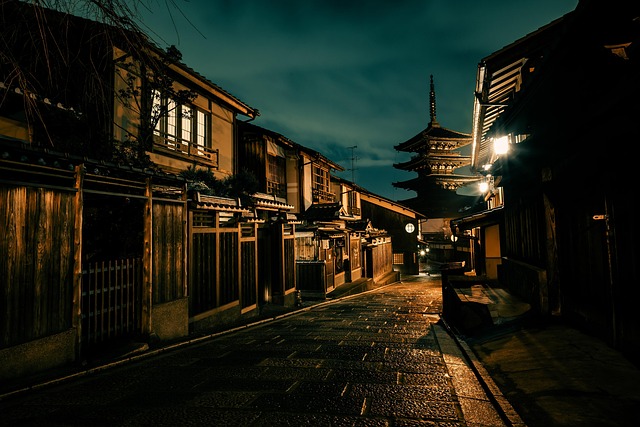
For a more refined stay, Kagurazaka offers a unique blend of French influence and Edo-period history. Its winding stone alleys are home to some of the city’s best hidden restaurants. It is centrally located yet feels remarkably secluded, making it the ideal base for travelers who prioritize culinary discovery and a quieter evening pace.
The Industry Perspective: Viewing Tokyo as a Collection of Villages
In the professional tourism industry, we view Tokyo not as a singular metropolis, but as a dense cluster of distinct villages. The biggest mistake a traveler can make is choosing a neighborhood based solely on its proximity to “sights.” In a city with the world’s most efficient transit system, you are never more than 30 minutes from a landmark. Therefore, your neighborhood should be chosen based on the vibe you want to wake up to.
My professional recommendation is to seek out the “side-street” districts. The magic of Tokyo isn’t found in the scramble at Shibuya Crossing; it’s found in the quiet morning ritual of a local neighborhood shrine or the first light hitting a small bakery in a residential alley. When you stay in a neighborhood that breathes, you don’t just visit Tokyo—you live in it. This shift in perspective turns a stressful itinerary into a restorative journey.
KEYWORDS: tokyo neighborhood, shibuya street, japan travel tips
Photo: Pixabay / Pixabay License