AKIO NARIMATSU
Essential Tips for a Seamless October Journey
- Leverage Hands-Free Travel: Use Takkyubin (luggage forwarding) services to send your suitcases between cities. Moving heavy bags through Shinjuku or Kyoto Station during peak hours is a logistical nightmare you can easily avoid for about $15 per bag.
- Master the “Rule of Three”: To avoid burnout, limit yourself to one major landmark, one specific dining destination, and one neighborhood for wandering per day. Anything more turns a vacation into a commute.
- Book Early for Autumn: October is the start of the high season. Secure your stays in Kyoto and Kanazawa at least four to five months in advance to avoid being priced out or relegated to the outskirts.
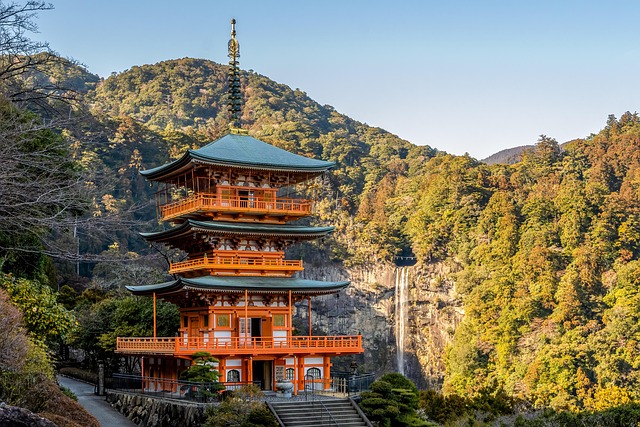
- Monitor the Koyo Forecast: Autumn colors move from north to south. If you are traveling in early October, head to higher elevations like Nikko or Hakone; for late October, the gardens of Tokyo and Kyoto begin their transformation.
The Invisible Friction: What Guidebooks Won’t Tell You
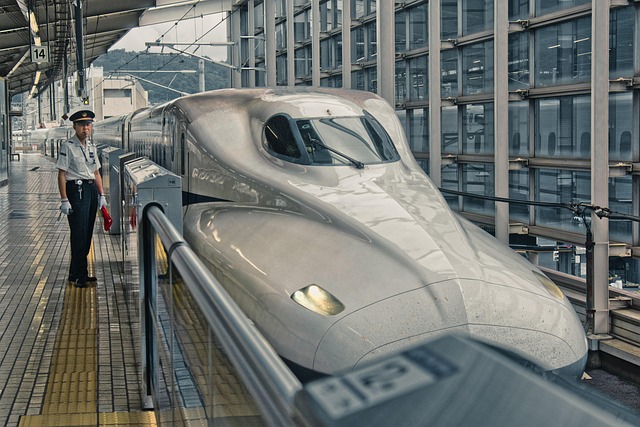
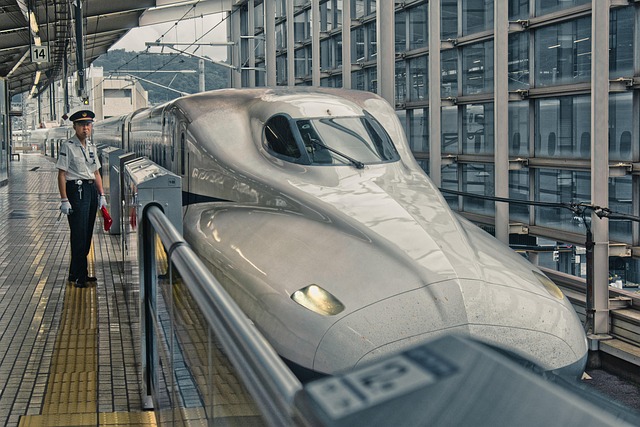
Most guidebooks present Japan as a clockwork-precise utopia where every transition is seamless. The “real” problem that first-time travelers face is the sheer physical and mental exhaustion of the “Golden Route.” While the Shinkansen is fast, the act of navigating gargantuan transit hubs like Tokyo Station or Osaka’s Umeda district can take thirty minutes just to find the correct exit. This “hidden transit time” eats into your day, leaving travelers frustrated when they arrive at a temple only to find it closing or overrun by the very crowds they hoped to escape.
There is also the myth of the “all-access” pass. Relying solely on a single rail pass often forces you into sub-optimal routes that add hours of unnecessary travel time. The exhaustion isn’t just physical; it’s the “decision fatigue” of navigating a country where the most authentic experiences are often tucked away in basements or behind unmarked doors that aren’t on Google Maps.
Field-Tested Strategies for the Modern Explorer
To navigate Japan like a seasoned veteran, you must change how you interact with the geography. Instead of staying in a different hotel every two nights, establish “anchor cities.” Using Osaka as a base for exploring Kyoto, Nara, and Kobe allows you to return to the same bed every night, significantly reducing the “packing fatigue” that ruins the second week of most trips.
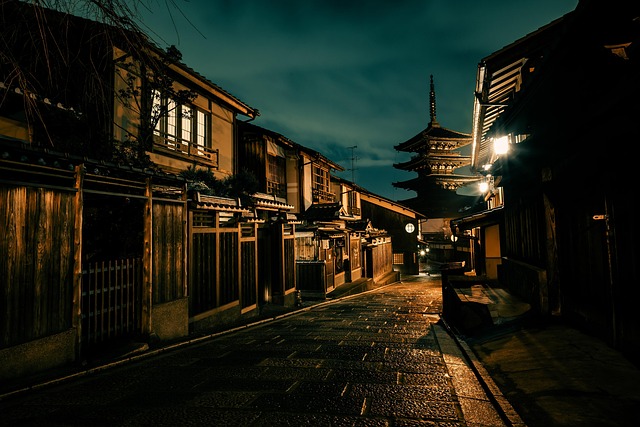
When it comes to the “must-see” spots, timing is everything. To experience the magic of Fushimi Inari or the Arashiyama Bamboo Grove, you must arrive before 7:30 AM. By 10:00 AM, these locations lose their spiritual atmosphere to the sheer volume of foot traffic. Conversely, explore the smaller, “secondary” temples such as Honen-in or Gio-ji; they offer the same stunning architecture and moss gardens with a fraction of the noise. For dining, don’t ignore the department store basements (depachika). They offer gourmet-quality meals that are perfect for a quiet evening when you’re too exhausted for a formal sit-down restaurant.
The Insider’s Perspective: Quality Over Connectivity
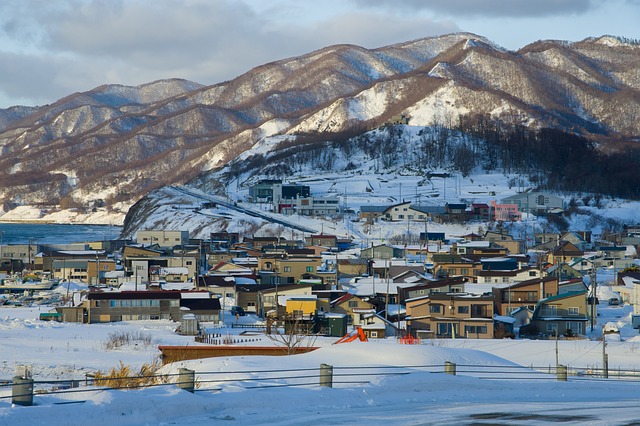
As someone who has watched Japan’s tourism landscape evolve over decades, my biggest piece of advice is to disconnect from the “perfect” Instagram itinerary. We are currently seeing a massive surge in “over-tourism” at specific landmarks while equally beautiful sites just a few miles away remain empty. The true luxury of traveling in Japan in October isn’t seeing the same red bridge everyone else has photographed; it’s the crisp air in a mountain village in Nagano or the quiet steam of an onsen in the Tohoku region.
The most successful itineraries I see are those that build in “white space”—entire afternoons with no plans. Japan is a country designed for serendipity. It’s the vending machine coffee in a quiet park, the tiny jazz bar in Golden Gai, or the unexpected festival in a local shrine that will stay with you long after the memory of a crowded temple has faded. Treat your itinerary as a suggestion, not a mandate.
KEYWORDS: Japan autumn foliage, Kyoto temple, Shinkansen travel
Photo: Pixabay / Pixabay License