AKIO NARIMATSU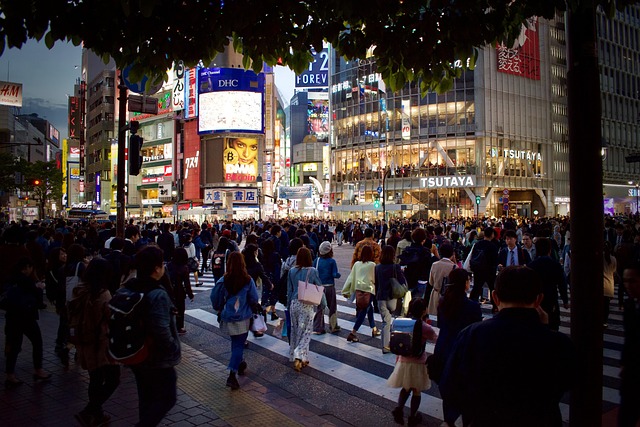
Mastering the Metropolis: A Strategic Guide to Seven Days in Tokyo
- Digital Transit Integration: Add a digital Suica or Pasmo card to your smartphone wallet before you even clear customs. It eliminates the friction of physical ticket machines and works seamlessly at vending machines and convenience stores.
- The “Cluster” Strategy: Never cross the city twice in one day. Group your exploration by proximity—Shibuya, Harajuku, and Shinjuku form a logical western cluster, while Asakusa, Ueno, and Akihabara anchor the east.
- Pre-Book the “Big Three”: Shibuya Sky, teamLab Borderless, and the Ghibli Museum require precise booking windows. Set calendar alerts for 30 days out; these are the anchors around which your entire week should be built.
- Master the Depachika: For high-end dining without the three-week waiting list, visit the “Depachika” (basement food halls) of major department stores like Isetan or Mitsukoshi for gourmet meals that beat most mid-range restaurants.
The “Invisible Distance” Problem
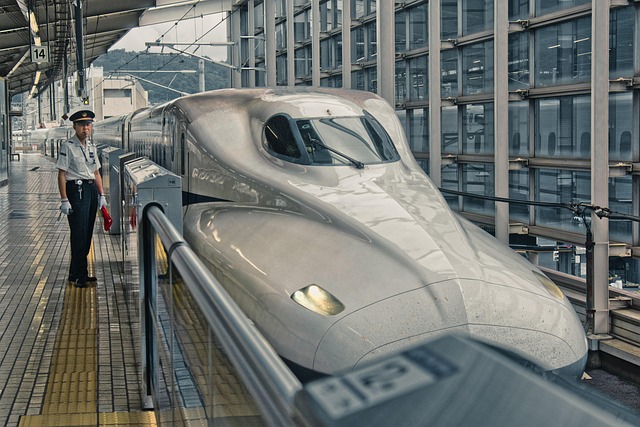
The most common pitfall travelers encounter isn’t a lack of things to do, but the “Invisible Distance” of Tokyo’s transit hubs. Guidebooks often suggest that because two neighborhoods are only three stops apart on the Yamanote Line, they are “next door.” In reality, navigating a labyrinthine hub like Shinjuku or Tokyo Station can add 20 to 30 minutes of walking just to find the correct exit. This “transit paralysis” is the silent killer of itineraries, often resulting in travelers seeing only half of what they planned while doubling their expected foot fatigue.
Field-Tested Solutions for the Modern Explorer
To reclaim your time, you must stop thinking of Tokyo as a flat map and start viewing it as a multi-layered vertical grid. Experienced travelers utilize “Specific Exit Routing.” Before leaving your hotel, identify not just the station you need, but the exact exit number (e.g., Exit A1 or the Hachiko Exit). This single habit saves miles of unnecessary walking through underground tunnels.
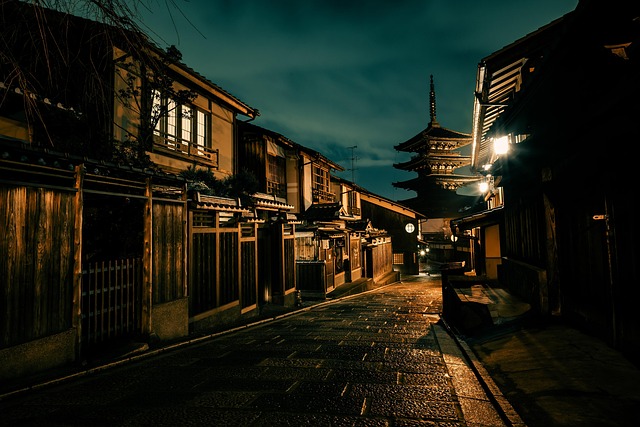
Another overlooked hack is the “Mid-Day Pivot.” Most tourists flood Senso-ji in Asakusa at 11:00 AM, creating a wall of people that makes photography impossible. The secret is to visit these heritage sites at sunrise or after 9:00 PM. While the temple gates may close, the grounds remain open, the crowds vanish, and the atmosphere becomes transformative. Use the peak afternoon hours instead for “Vertical Exploration”—heading to the upper floors of buildings in Ginza or Shibuya where high-end boutiques and cafes offer serene views far above the street-level chaos.
The Insider Perspective: Embracing the “Micro-Neighborhood”
From an industry standpoint, the biggest mistake is treating Tokyo as a checklist of landmarks. Tokyo is not a city of monuments; it is a city of rhythms. If you spend your seven days rushing from the Tokyo Skytree to the Imperial Palace, you miss the very essence of why people fall in love with Japan.
The true magic of a one-week residency lies in the “Micro-Neighborhoods” tucked between the giants. Instead of a full day in Harajuku, spend your afternoon in Tomigaya, a sophisticated enclave just minutes from Yoyogi Park. Rather than fighting the crowds in Shinjuku’s Golden Gai, seek out the hidden jazz kissa (coffee shops) in Kichijoji. My professional advice is to schedule one “Zero Day”—a day with no bookings, no reservations, and no specific destination. Allow the world’s most efficient transit system to take you to a random stop on the Yamanote Line and simply walk. That is where you find the Japan that guidebooks can’t describe.
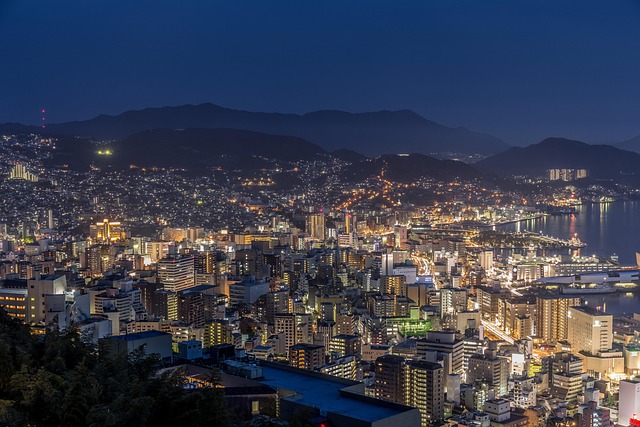
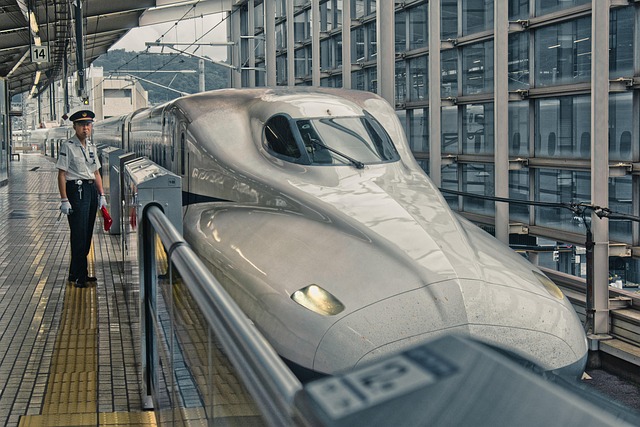
KEYWORDS: tokyo city skyline, shibuya crossing, japanese train station
Photo: Pixabay / Pixabay License