AKIO NARIMATSU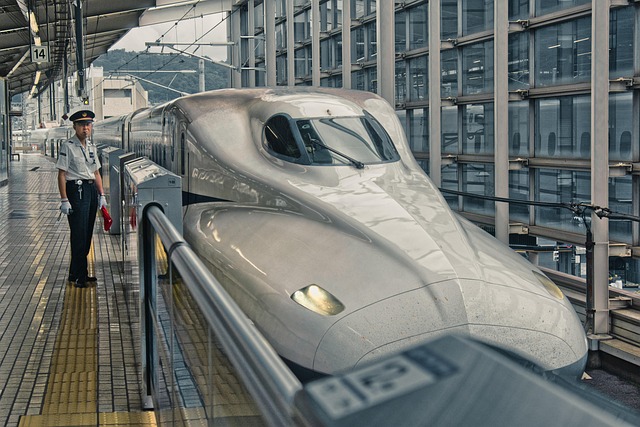
Mastering the Golden Route: How to Navigate a 10-Day Japan Itinerary Without the Burnout
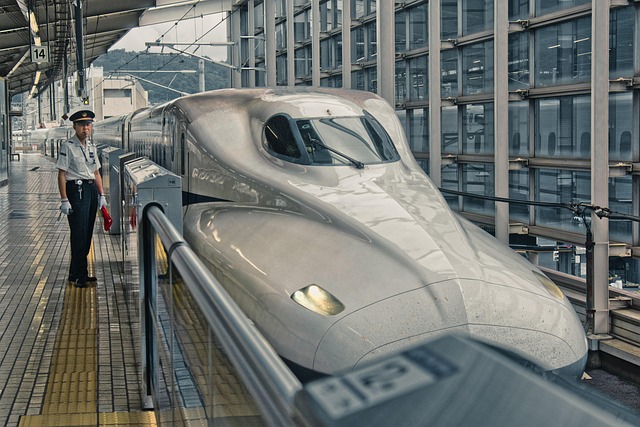
- Forward your luggage: Use “Takkyubin” services to ship your large suitcases between cities for roughly $15-$20. It allows you to travel hands-free on the Shinkansen and avoids the struggle of finding locker space in crowded stations.
- The “Early Bird” Protocol: Arrive at iconic sites like Fushimi Inari or Arashiyama Bamboo Grove by 7:30 AM. By 10:00 AM, these locations reach a density that makes photography and reflection nearly impossible.
- Digital IC Cards: Add a Suica or Pasmo card to your smartphone’s digital wallet before you land. It eliminates the need to stand in line at ticket machines and works for everything from local subways to vending machines and convenience stores.
- The Hub-and-Spoke Strategy: Instead of changing hotels every two nights, pick a central base like Kyoto or Osaka and use the high-speed rail for day trips to Nara, Kobe, or Himeji.
The Invisible Obstacle: The “Efficiency Trap”
Standard guidebooks are excellent at telling you what to see, but they are notoriously poor at explaining the physical and mental cost of moving between those sites. The most common frustration for first-time travelers is the “Efficiency Trap”—the belief that because Japan’s transit is punctual, one can mathematically stack five major sightseeing spots into a single day.
What the brochures don’t mention is “Station Fatigue.” Navigating a complex hub like Shinjuku or Tokyo Station involves thousands of steps, multi-level transfers, and a constant sensory assault. By day four of a packed itinerary, most travelers find themselves physically exhausted, viewing the beautiful temples of Kyoto through a haze of fatigue rather than wonder. The real problem isn’t a lack of time; it’s a lack of “white space” in the schedule.
Field-Tested Workarounds for the Modern Explorer
To avoid the common pitfalls of a 10-day “Golden Route” sprint, experienced travelers utilize several field-tested hacks that keep the journey seamless. First is the Rule of Two: Schedule a maximum of two “must-see” landmarks per day—one in the morning and one in the late afternoon. Leave the midday period open for spontaneous discovery or a slow lunch in a depachika (department store basement food hall), which offers gourmet-quality meals without the need for a three-week-in-advance reservation.
Another insider secret is the Secondary City Pivot. If the crowds in central Kyoto become overwhelming, take a 20-minute train ride to Uji or Otsu. These areas offer the same architectural beauty and spiritual atmosphere as the main tourist hubs but at a fraction of the foot traffic. Furthermore, instead of dining near major landmarks where “English-menu taxes” and long lines are common, retreat two blocks into residential neighborhoods to find authentic izakayas that offer a superior experience for half the price.
The Professional Perspective: Quality Over Connectivity
As an industry insider, I’ve watched the evolution of Japan tourism shift from “checklist travel” to “experiential immersion.” The most successful itineraries I see today are those that prioritize depth over breadth. Ten days is barely enough to scratch the surface of Honshu, let alone the entire archipelago.
My professional recommendation is to resist the urge to see “everything.” Japan is a country of layers; the more you rush, the less you actually see. The magic of Japan isn’t found in the frantic transition between a Shinkansen gate and a temple entrance; it is found in the quiet moments—a perfect cup of matcha in a neighborhood tea house, the precision of a craftsman in a side-street workshop, or the neon glow of a quiet alleyway in Osaka. Build an itinerary that allows you to be a participant in Japanese life, not just a spectator behind a camera lens.
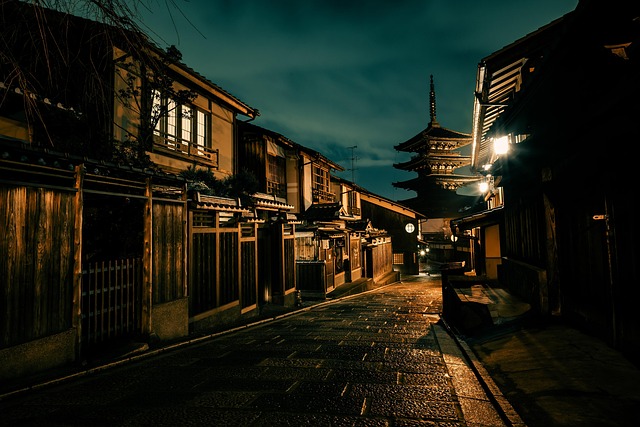
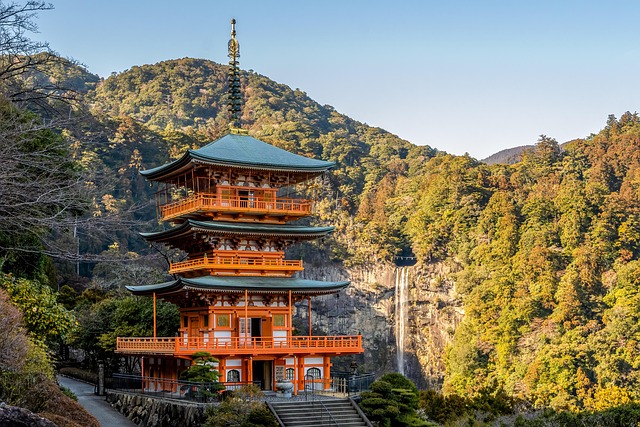
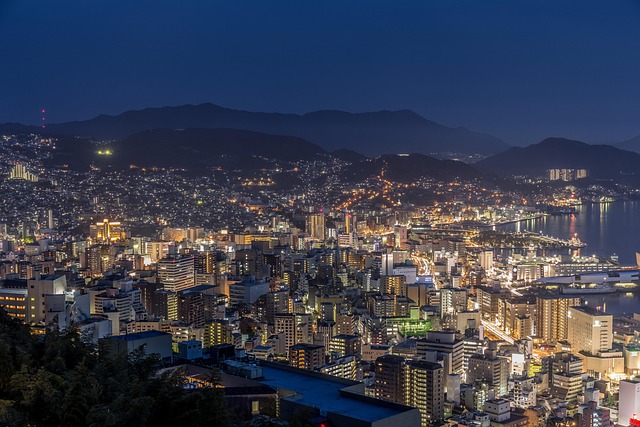
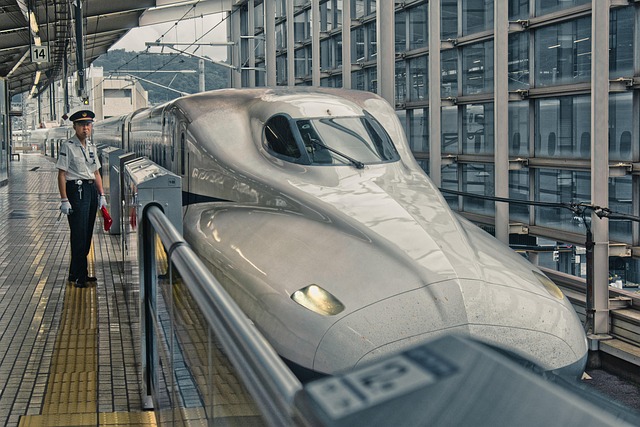
KEYWORDS: Kyoto temple, Shinkansen train, Tokyo street night
Photo: Pixabay / Pixabay License