AKIO NARIMATSU
While guidebooks often paint a picture of serene snow-covered temples and cozy hot springs, the reality of navigating Japan in winter involves a set of logistical and physical challenges that catch even seasoned travelers off guard. As an expert in Japan’s inbound tourism, I see the same “real” problems cropping up every December through March—issues that have little to do with the temperature on the thermometer and everything to do with the Japanese infrastructure.
The “Real” Problem: The Great Temperature Seesaw
The most common complaint from travelers isn’t actually the cold; it’s the sweat. Japan’s public transport and retail spaces are notoriously over-heated. You will step from a 2°C (35°F) street into a 26°C (78°F) subway car. If you are wearing a heavy thermal base layer (like “Ultra Warm” Heattech) under a heavy parka, you will begin to perspire within minutes. Once you step back outside, that moisture cools rapidly, leading to a bone-chilling cold that no coat can fix.
The Pro-Tip Solution: Avoid the “heavy-duty” thermal underwear unless you are standing still in the snow for hours. Instead, opt for standard-weight layers and a high-quality coat that is easy to unbutton or carry. Professional travelers in Japan rely on “Vests” (down or fleece) that protect the core but allow heat to escape from the arms, or light scarves that can be tucked away instantly.
The Logistics Trap: The “Slush” Factor
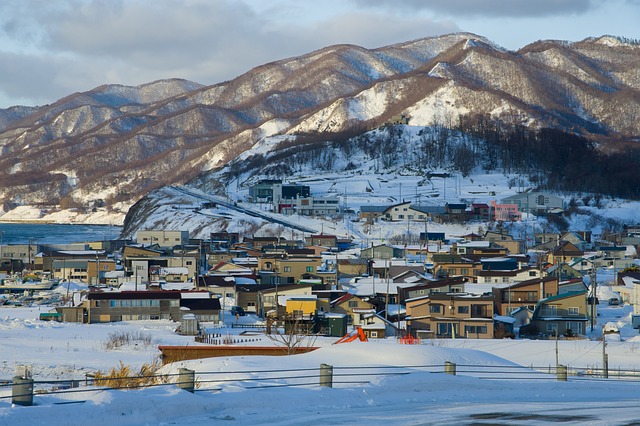
In regions like Hokkaido, Nagano, or the Hokuriku coast, snow isn’t always crisp and white; on the streets, it’s often a grey, salty slush. Dragging a four-wheeled hardshell suitcase through three inches of freezing sludge is a recipe for broken wheels and exhausted travelers.
The Pro-Tip Solution: This is where Japan’s world-class logistics become your best friend. Do not attempt to “power through” with luggage in snowy cities. Use luggage forwarding services (Takkyubin) from the airport to your hotel, or between hotels. For the items you keep with you, ensure your shoes have “Gore-Tex” or a similar waterproof membrane. Local tip: If your shoes lack grip, you can buy “slip-on spikes” at most convenience stores or drugstores in snowy regions for less than 2,000 yen.
The Invisible Enemy: Desert-Dry Air
Foreign visitors are often baffled by how dry the air becomes in Japan during winter. The combination of the Pacific side’s naturally dry winter air and the ubiquitous “Aircon” (heat pumps) in hotels leads to cracked skin, nosebleeds, and sore throats by day three.
The Pro-Tip Solution: The humidifiers in Japanese hotel rooms are not optional; they are survival equipment. Fill it and turn it on the moment you check in. If the machine can’t keep up, the “wet towel” trick—hanging a damp bath towel near your bed—is the standard industry workaround to keep your respiratory system functioning comfortably.
The Cultural Secret: Strategic “Kairo” Placement
The most overlooked tool in the traveler’s arsenal is the Kairo (disposable heat pack). While most people simply hold them in their hands, the real power lies in the “sticker type” (Haru-Kairo).
The Pro-Tip Solution: To maximize your body’s heat circulation, place a sticker-type Kairo on your lower back (just above the tailbone) or between your shoulder blades. This warms the large blood vessels and keeps your extremities warm without the bulk of extra clothing. It is the cheapest, most effective “hack” for long days of sightseeing in Kyoto or Kanazawa.
Winter in Japan is magical, but it demands a strategic approach to personal climate control and logistics. Master these “unspoken” rules, and you’ll spend your time admiring the scenery rather than battling the elements.