AKIO NARIMATSU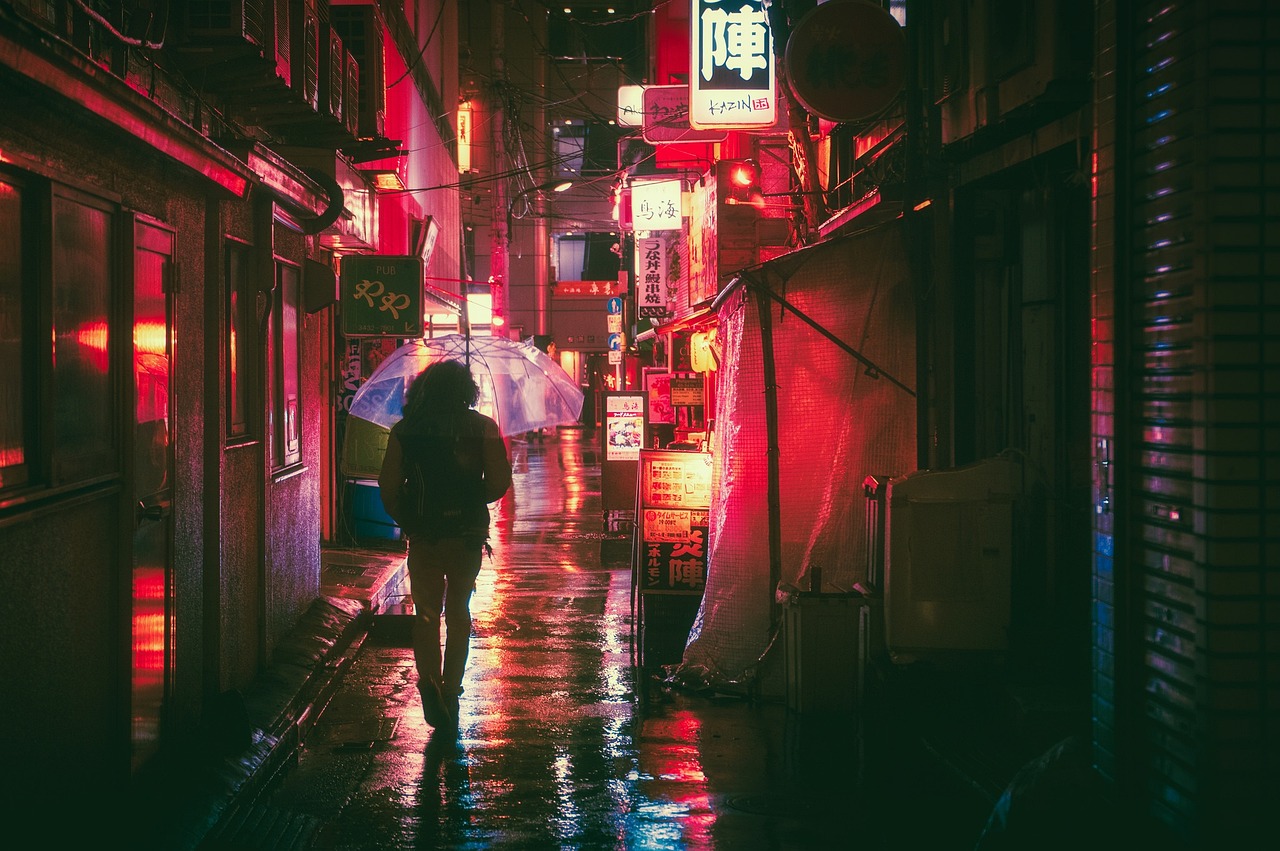
- Ditch the Hourly Itinerary: Instead of a fixed schedule, create “Neighborhood Clusters” on Google Maps. Group 3–4 points of interest in one area and decide which ones to visit based on your energy levels that day.
- The “Rule of One”: Limit yourself to one major “must-see” landmark per day. Spend the rest of your time exploring the 500-meter radius around it to find the authentic soul of the city.
- Pre-book Your Feet, Not Just Hotels: Start walking 10,000 steps a day at home at least a month before your flight. The “hidden” killer of Japan trips isn’t the language barrier; it’s physical exhaustion.
- The Second-Floor Strategy: When looking for food in crowded areas like Shibuya or Shinjuku, never eat at street level. Look up. The best local gems are almost always on the 2nd to 5th floors of unassuming narrow buildings.
Beyond the Grid: Mastering the Rhythm of Japanese Travel
Planning a trip to Japan often feels like trying to solve a beautiful but impossibly complex puzzle. While guidebooks are excellent at telling you where the Golden Pavilion is, they rarely prepare you for the reality of standing in the middle of Kyoto Station, overwhelmed by the sheer scale of the crowds and the cognitive load of navigating a foreign logistics system.
The “Real” Problem: The Ghost of the Perfect Trip
The most common struggle travelers face isn’t a lack of information—it’s an abundance of it. We are living in an era of “TikTok-perfection,” where travelers feel pressured to hit every “viral” spot. This leads to the Traveler’s Paradox: you spend so much time navigating your itinerary that you forget to actually experience Japan. The “real” problem is the physical and mental fatigue that sets in by Day 3. Most visitors underestimate the sheer amount of walking and the “sensory overstimulation” that Japanese cities provide. When you are tired, even the most beautiful shrine starts to look like “just another building.”
The “Gritty” Workarounds: Intelligence from the Ground
Seasoned travelers have moved away from rigid spreadsheets. Instead, they use “Anchor Planning.” You pick one reservation (a dinner or a museum) and leave the rest of the day as a blank canvas.
One of the most effective “muddy” workarounds for the modern traveler is the “Convenience Store Pivot.” Rather than stressing over a missed 12:00 PM lunch reservation, locals and savvy visitors know that a high-quality meal from a konbini (e.g., Lawson or 7-Eleven), eaten in a quiet park, often provides a more peaceful and “Japanese” experience than fighting the crowds at a famous ramen shop.
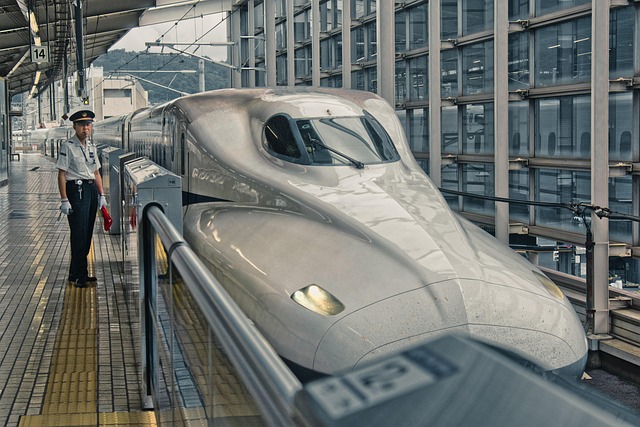
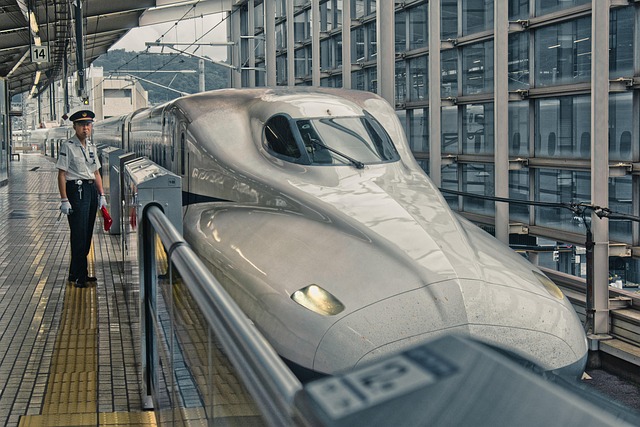
Another vital hack is the “Luggage Leapfrog.” Do not carry your suitcases on the Shinkansen. Use Takkyubin (luggage forwarding services) religiously. Sending your bags ahead to your next hotel for a small fee isn’t just a luxury; it is a tactical necessity that frees you to explore stop-over cities like Nagoya or Shizuoka unencumbered.
The Pro Perspective: The Vertical City and the Micro-Season
As a professional in the industry, my biggest piece of advice is to understand that Japan is a “Vertical Society.” In the West, we are used to everything being at eye level. In Tokyo and Osaka, the city exists in layers. The most authentic jazz bars, the most skilled craftsmen, and the quietest cafes are hidden in the basements (B1) or high above the street. If you only stay on the ground floor, you are only seeing 10% of the country.
Furthermore, stop trying to see “Japan.” Instead, try to see a “neighborhood.” Whether it’s the retro-vibes of Koenji in Tokyo or the artisan workshops of Nishijin in Kyoto, the magic of Japan happens in the quiet moments between the landmarks.
The Bottom Line: Your itinerary should be a compass, not a leash. The best stories don’t come from the places you planned to go, but from the wrong turn that led you to a 5-seat bar where the master has been serving the same tea for forty years.