AKIO NARIMATSU
Mastering the Five-Day Tokyo Sprint: Essential Strategies for the Modern Traveler
- Book “Icon” Experiences Exactly 30 Days Out: Platforms for Shibuya Sky and TeamLab Borderless often release tickets on a rolling basis. Set a calendar alert for midnight Japan Standard Time to secure sunset slots, which are the first to vanish.
- Partition the City by Major Hubs: To minimize transit fatigue, dedicate entire days to either the “East Side” (Asakusa, Ueno, Akihabara) or the “West Side” (Shibuya, Shinjuku, Harajuku). Crossing the city mid-day is a common amateur mistake that wastes ninety minutes of prime sightseeing.
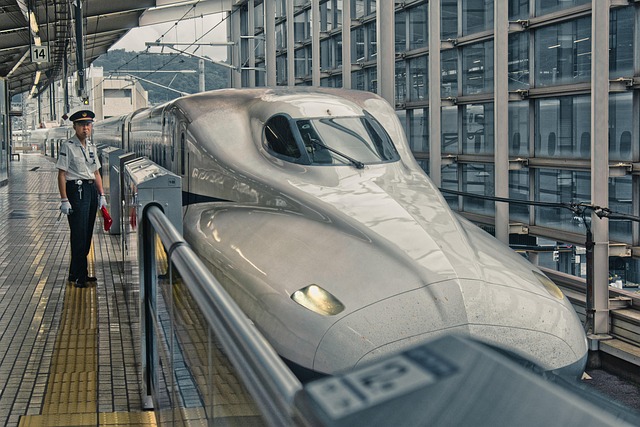
- Digitalize Your Transit: Skip the physical ticket machines. Add a Suica or Pasmo card directly to your smartphone’s digital wallet before arrival. It allows for seamless “tap-and-go” entry at gates and works at 95% of convenience stores and vending machines.
- The “Depachika” Dining Strategy: If popular restaurants have two-hour waits, head to the basement level of major department stores like Isetan or Takashimaya. These “depachika” offer gourmet-quality bento and seasonal delicacies that rival many sit-down establishments.
The Invisible Hurdle: The “Station Tax”
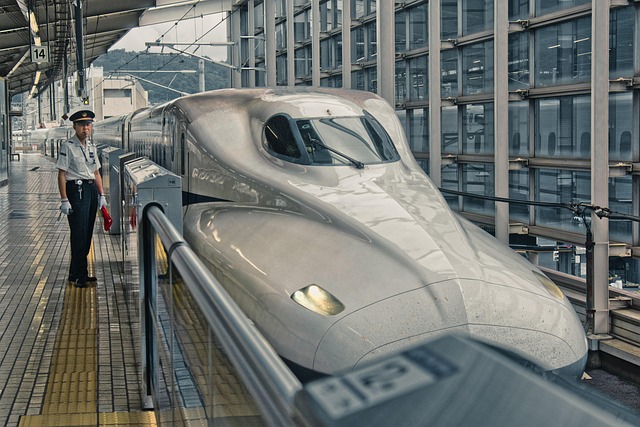
Most guidebooks present Tokyo as a series of neatly connected dots. What they fail to mention is the physical and mental toll of “Station Navigation.” In a five-day itinerary, travelers often underestimate the scale of hubs like Shinjuku or Shibuya. These are not merely train stations; they are subterranean cities. You might arrive at the station at 10:00 AM, but you won’t actually reach the street level of your destination until 10:25 AM. This “station tax” accumulates, leading to a phenomenon I call “Tokyo Fatigue”—a state of sensory overload where the sheer friction of navigating crowds and exits turns a dream vacation into a logistical grind.
Field-Tested Workarounds for the Time-Crunched Traveler
To bypass the common pitfalls of a short-stay itinerary, seasoned experts look for “micro-neighborhoods” that offer the Tokyo aesthetic without the Shinjuku chaos. Instead of fighting the crowds at Harajuku’s Takeshita Street, walk fifteen minutes to Daikanyama. You will find the same high-end architecture and boutique culture, but at a fraction of the foot traffic.
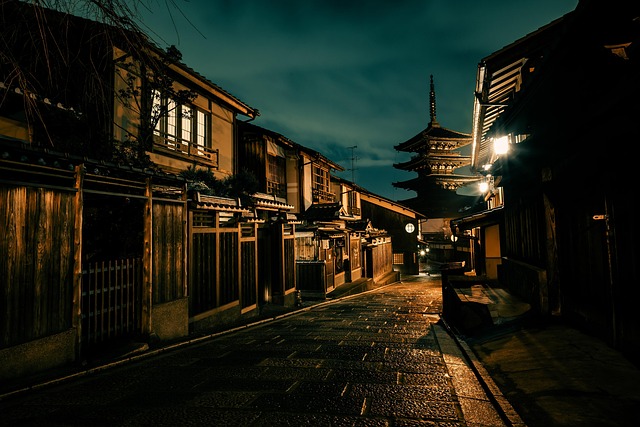
Another insider hack involves the “Reverse Commute” strategy. Most tourists flock to Asakusa in the morning. Instead, visit Senso-ji Temple after 9:00 PM. While the stalls of Nakamise-dori will be closed, the temple grounds are beautifully illuminated, the crowds are non-existent, and the atmosphere is profoundly spiritual—a stark contrast to the midday circus. Furthermore, for those attempting a day trip to Mt. Fuji or Hakone within a five-day window, always prioritize the Limited Express “Romancecar” or dedicated highway buses booked in advance; relying on local trains for these excursions is the fastest way to burn a full day on transit alone.
The Insider Perspective: Quality Over Verticality
In my years observing the evolution of Japanese inbound tourism, the most successful itineraries are those that treat Tokyo as a collection of villages rather than a single monolith. The impulse to “see it all” in five days usually results in seeing nothing deeply. True luxury in Tokyo is found in the pauses—the twenty minutes spent in a neighborhood kissaten (traditional coffee shop) or the quiet observation of a small local shrine in the backstreets of Ebisu.
If you find your schedule is bursting at the seams, give yourself permission to cut the “must-see” list by 20%. Tokyo is a city of layers; you are better off experiencing three neighborhoods thoroughly than six neighborhoods from the window of a taxi or a subway car. Focus on the transit between the landmarks as much as the landmarks themselves—that is where the real Tokyo lives.
KEYWORDS: tokyo city skyline, shibuya crossing, japan travel planning
Photo: Pixabay / Pixabay License