AKIO NARIMATSU
Essential Tactics for a Seamless Tokyo Experience
- Digital Wallet Integration: Before you even touch down at Narita or Haneda, add a digital Suica or Pasmo card to your smartphone’s wallet. It eliminates the frustration of physical ticket machines and allows for seamless “tap-and-go” transit and convenience store purchases.
- The Luggage Forwarding Shortcut: Never haul large suitcases through Shinjuku or Tokyo Station. Utilize Takkyubin (luggage forwarding services) from the airport directly to your hotel, or between cities. It is inexpensive and saves your back and your sanity.
- The 8:00 AM Rule: Popular sites like Meiji Jingu and Senso-ji are open early. Arriving by 8:00 AM allows you to experience the spiritual gravity of these sites before the inevitable wave of tour buses arrives at 10:30 AM.
- Pocket Wi-Fi vs. eSIM: While Pocket Wi-Fi is great for groups, a local eSIM provides more reliable GPS accuracy in Tokyo’s “urban canyons,” where tall buildings can sometimes cause signal drift.
The “Tokyo Illusion”: The Hidden Exhaustion of the Perfect Itinerary
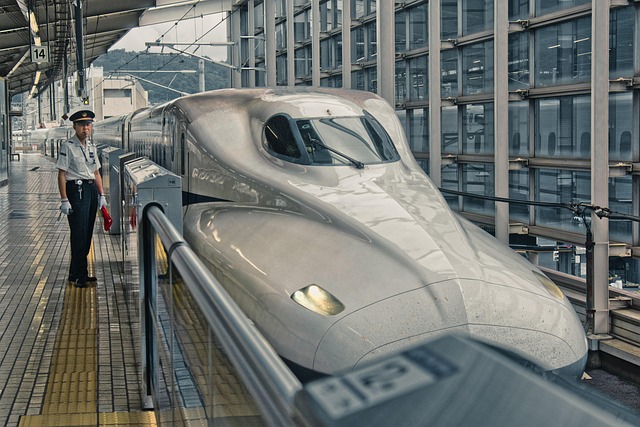
The most significant challenge travelers face—one that glossy guidebooks conveniently omit—is the deceptive scale of Tokyo’s transit hubs. On paper, moving from a morning in Harajuku to an afternoon in Akihabara looks like a simple 20-minute train ride. In reality, the physical act of navigating a station like Shinjuku—which handles over 3.5 million passengers daily—can take 15 to 20 minutes of walking just to find the correct platform.
Travelers often fall into the trap of “micro-scheduling,” planning their days down to the hour. This fails to account for the “Tokyo Tax”: the mental and physical energy drained by constant navigation, the sheer volume of sensory input, and the 20,000+ steps you will inevitably record. By day three, many visitors find themselves suffering from “temple fatigue” and urban burnout, unable to enjoy the very landmarks they flew thousands of miles to see.
Field-Tested Solutions for the Modern Explorer
To navigate Tokyo without burning out, you must adopt a “Zonal Strategy.” Rather than chasing a checklist scattered across the city, anchor your day in one specific quadrant. For example, group Shibuya, Harajuku, and Shinjuku together. Attempting to pair the high-energy neon of Akihabara with the western sprawl of Shibuya in a single afternoon is a recipe for exhaustion. Focus on depth rather than breadth.
Another overlooked hack involves the “Depachika Dining” strategy. If you find yourself overwhelmed by long queues at famous Michelin-starred ramen shops or sushi spots, head to the basement levels of major department stores like Isetan or Takashimaya. These “food cathedrals” offer world-class bento, fresh sashimi, and artisanal wagyu at a fraction of restaurant prices, with zero wait time and seating often available in nearby rooftop gardens.
Finally, utilize the “Mid-Day Reset.” Most Japanese hotels have a strict 3:00 PM check-in, but they will always hold your bags. Instead of powering through the afternoon slump, schedule a quiet hour at a traditional kissaten (old-school coffee shop) or a public park like Shinjuku Gyoen. These “negative spaces” in your itinerary are where the true magic of Japan resides.
The Insider Perspective: Finding the “Ma” in Your Journey
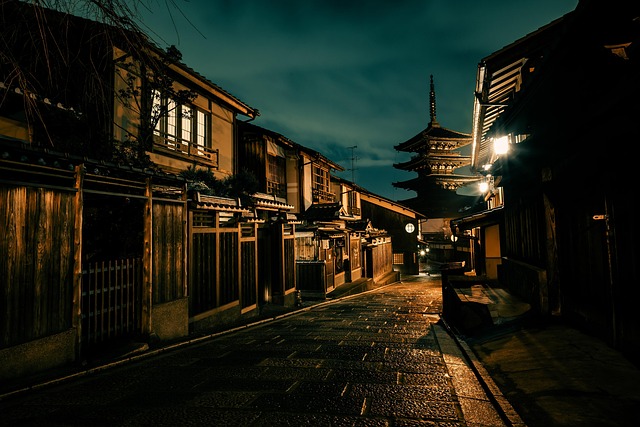
In Japanese aesthetics, there is a concept called Ma—the beauty in the empty space. When I consult on luxury itineraries, the biggest mistake I see is a lack of Ma. Tokyo is a city of layers; the most memorable experiences rarely happen while you are staring at the Red Gate of Senso-ji with five hundred other people. They happen when you take a wrong turn in a residential alley in Yanaka and find a tiny pottery workshop, or when you sit quietly in a neighborhood shrine watching the local rituals.
Professional advice: Build a “Six-Day Skeleton” but leave the “muscles” flexible. Choose one “must-see” destination for the morning and let the afternoon be dictated by your energy levels and curiosity. Japan is not a museum to be viewed; it is an atmosphere to be inhaled. If you spend your entire trip looking at your Google Maps blue dot, you will miss the very soul of the city you came to discover.
KEYWORDS: Tokyo street, Shibuya crossing, Japanese temple
Photo: Pixabay / Pixabay License