AKIO NARIMATSU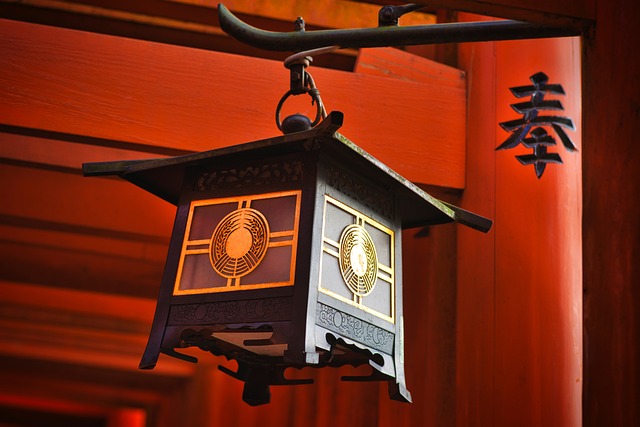
Essential Tips for Your Autumn Journey to Japan
- Leverage Hands-Free Travel: Do not drag suitcases through transit hubs. Use Takkyubin (luggage forwarding services) to send bags from the airport to your hotel, or between cities, for a nominal fee.
- Digital Transit Readiness: Add a digital Suica or Pasmo card to your smartphone’s wallet before you land. It eliminates the need to fumbling with ticket machines and works seamlessly for both trains and convenience store purchases.
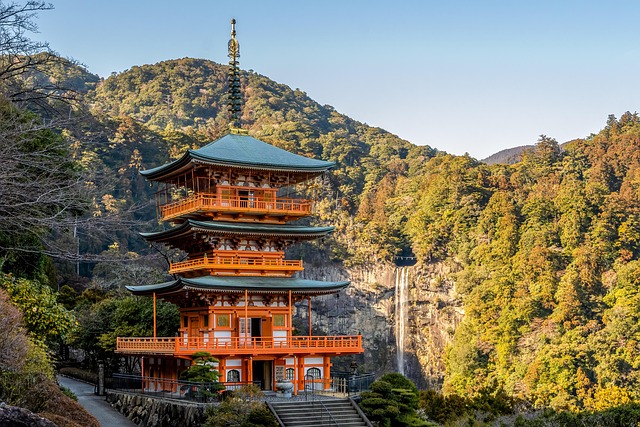
- The 8:00 AM Rule: To experience the serene beauty of Kyoto’s temples during the peak autumn foliage, arrive by 8:00 AM. By 10:30 AM, the influx of tour groups transforms these sanctuaries into crowded thoroughfares.
- Reservations are Mandatory: High-demand attractions like TeamLab Borderless and the Ghibli Museum require bookings weeks, if not months, in advance. Do not rely on walk-in availability during the late November peak.
The Invisible Exhaustion: What Guidebooks Forget to Mention
Most travel guides present a 14-day itinerary as a seamless progression of iconic landmarks. However, they rarely account for the “Physicality Gap.” In Japan, a “standard” sightseeing day easily translates to 20,000 to 25,000 steps. When you layer this onto the logistical mental load of navigating the world’s most complex rail networks, the result is often “temple fatigue” by day five.
The real frustration travelers face isn’t a lack of things to see; it is the realization that their itinerary has become a checklist rather than an experience. Guidebooks treat Tokyo and Kyoto as single dots on a map, failing to explain that traveling between neighborhoods within these cities can often take as long as moving between different European countries. The “real” problem is the friction of transitions—the packing, the checking out, and the navigation of massive stations like Shinjuku or Umeda with a tired family in tow.
Field-Tested Strategies for a Seamless Late-Autumn Tour
To navigate the late November peak—the stunning koyo (autumn leaves) season—experienced travelers employ a “Hub and Spoke” strategy. Instead of changing hotels every two nights to “see more,” choose a central base. For example, staying in Osaka for five nights allows you to visit Kyoto, Nara, and Kobe via short, comfortable train rides without the burden of constant packing. This preserves your energy for the actual sights.
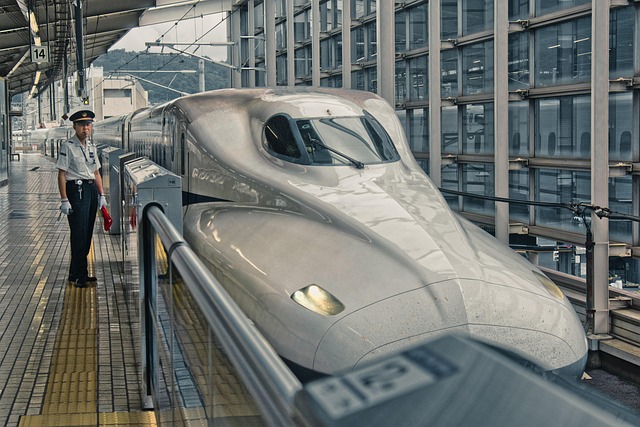
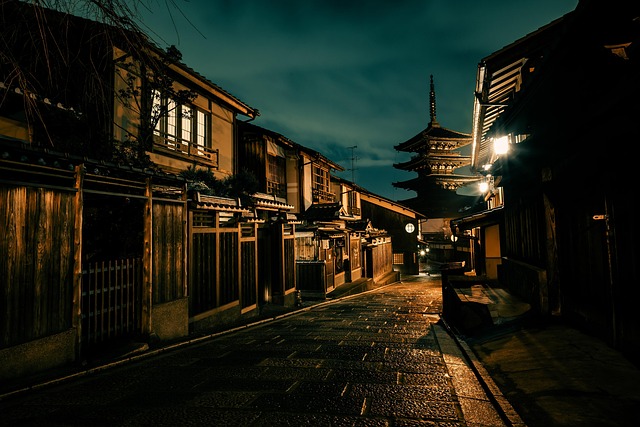
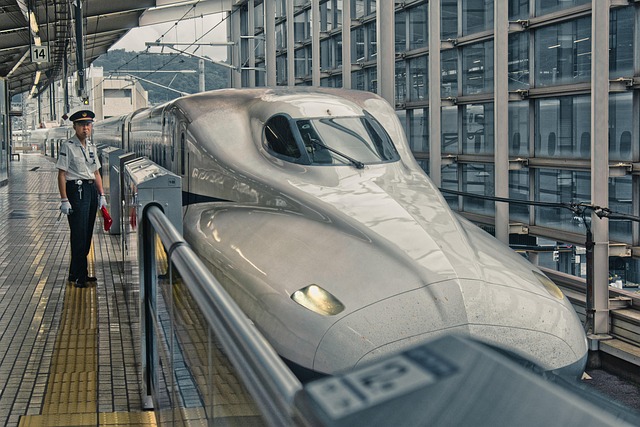
Furthermore, savvy visitors utilize the “Evening Illumination” loophole. During late autumn, many temples and gardens in Kyoto and Tokyo host special night-time illuminations. These events offer a completely different aesthetic perspective and are often easier to slot into a schedule than the mid-day rush. Additionally, prioritize “Green Cars” on the Shinkansen during this period. While a standard seat is perfectly fine, the extra space and guaranteed quiet of the premium cabins are invaluable during the high-traffic autumn season when the trains are at maximum capacity.
The Insider’s Perspective: Mastering the “Space Between”
In my years observing inbound tourism trends, the most successful trips are those that honor the Japanese concept of Ma—the space between things. A professional itinerary shouldn’t just be about where you are going, but how you feel while you are getting there. In late November, Japan is a sensory overload of deep reds and brilliant golds; you lose that magic if you are staring at a navigation app every ten minutes.
My final recommendation for any traveler is to build in “logistical buffers.” Plan for one morning every four days where nothing is scheduled. This allows you to explore a local bakery, stumble upon a neighborhood shrine, or simply rest. The true essence of Japan isn’t found in the crowds at Fushimi Inari, but in the quiet moments of transition. By streamlining your logistics—using luggage forwarding and digital payments—you reclaim the mental bandwidth necessary to actually see the country you’ve traveled so far to visit.
KEYWORDS: japan autumn foliage, kyoto temple, luggage forwarding service
Photo: Pixabay / Pixabay License