AKIO NARIMATSU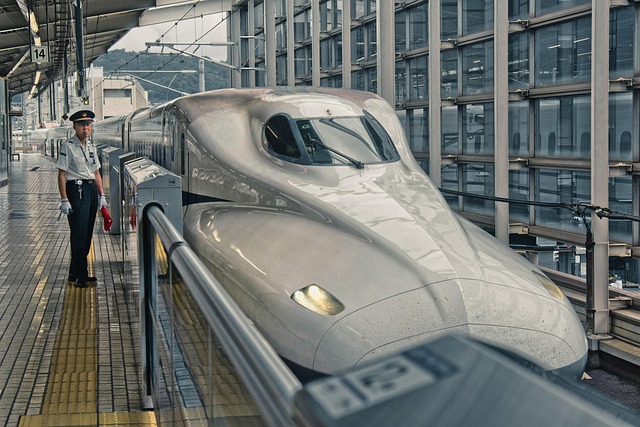
- Master the “Hands-Free” Transit: Use Takkyubin (luggage forwarding) services between cities. Sending your heavy suitcases from your Tokyo hotel directly to your Kyoto ryokan for roughly $15-20 per bag is the single most effective way to navigate crowded train stations stress-free.
- Digitalize Your Transit: Add a Suica or Pasmo card directly to your smartphone’s digital wallet before arrival. This eliminates the need to hunt for ticket machines and allows for seamless tapping at turnstiles and vending machines nationwide.
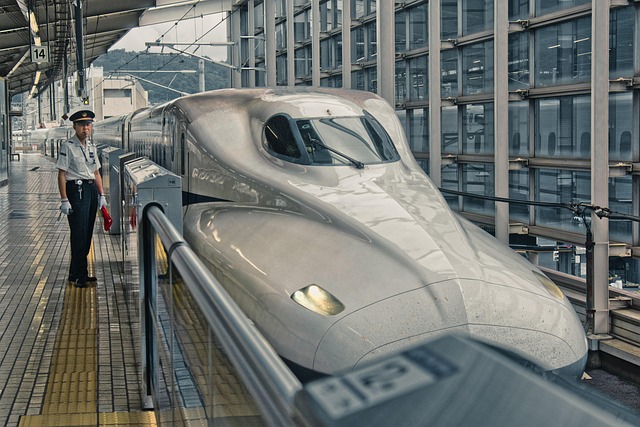
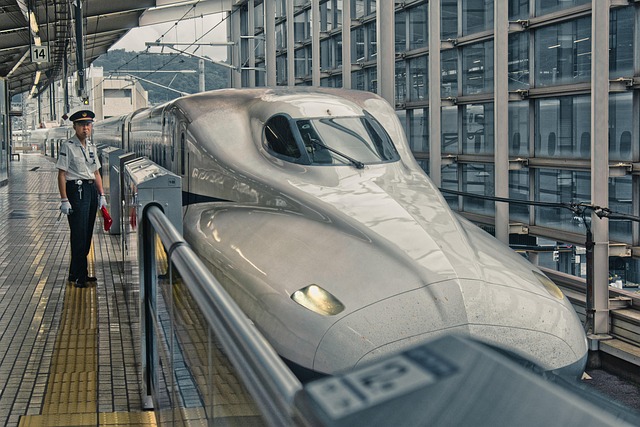
- Secure the “Oversized” Shinkansen Seats: Even if your luggage isn’t technically oversized, booking the rear-row seats on the Tokaido Shinkansen is the only way to guarantee peace of mind and extra legroom during peak travel hours.
- The 11:00 AM Dining Rule: To avoid the demoralizing 90-minute queues at popular eateries, aim to have your “lunch” at 11:00 AM or your “dinner” at 5:00 PM. Japan’s dining culture is strictly punctual, and being thirty minutes ahead of the crowd is the difference between a gourmet meal and a convenience store sandwich.
The Invisible Barrier: The “Experience Exhaustion” Guidebooks Ignore
While glossy brochures promise a serene walk through the Arashiyama Bamboo Grove or a quiet moment at Fushimi Inari, the reality of modern Japan travel is often a grueling exercise in crowd management. The “real” problem facing travelers today isn’t a lack of information—it’s decision fatigue and the “Golden Route” bottleneck. Most travelers find themselves trapped in a loop of identical itineraries, following the same three-city path (Tokyo-Kyoto-Osaka) and competing with thousands of others for the same photo opportunities. This leads to a phenomenon I call “Experience Exhaustion,” where the logistical stress of navigating over-touristed landmarks begins to outweigh the cultural enrichment of the trip itself.
Field-Tested Workarounds: Navigating the Modern Japanese Landscape
To bypass the friction of the standard tourist experience, savvy travelers are adopting specific, field-tested maneuvers. One of the most effective “hacks” is the Department Store Sanctuary. When the streets of Ginza or Shinsaibashi become claustrophobic, the “Depachika” (basement food halls) of Takashimaya or Isetan offer world-class culinary experiences with significantly less friction than street-level restaurants. You can assemble a Michelin-star quality picnic and take it to a local park, avoiding the “Sold Out” signs that plague popular ramen shops by noon.
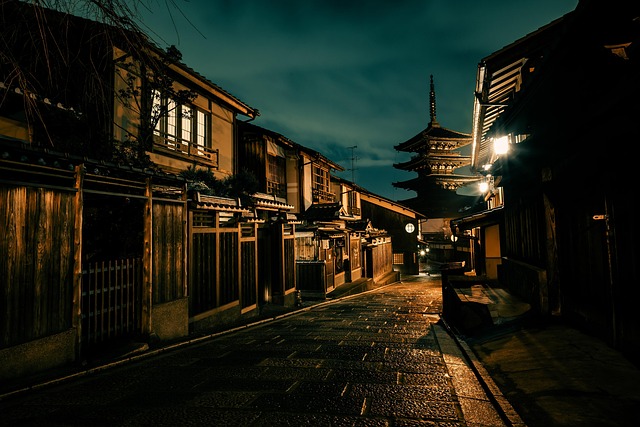
Furthermore, the savvy traveler is now looking toward “Second-Tier” hubs. Rather than staying in the heart of Kyoto—where bus lines are currently overwhelmed—establish a base in nearby Otsu or Nara. These locations offer a significantly higher “hospitality-to-crowd” ratio while remaining only a 15-to-30-minute train ride from the major sights. Additionally, for those struggling with the recent price hikes of the national JR Pass, the move is to utilize regional passes (like the JR West Kansai Area Pass) or low-cost domestic flights, which often prove more economical and flexible in the current travel climate.
The Insider’s Edge: Japan in the New Era of Tourism
As someone who has watched Japan’s tourism infrastructure evolve over decades, I can tell you that the era of “winging it” in Japan is temporarily on hiatus. We are currently in a high-demand cycle where the most valuable currency isn’t Yen, but reservation lead time. However, the secret to a truly elite experience isn’t just booking early; it’s the willingness to embrace “The Gap.”
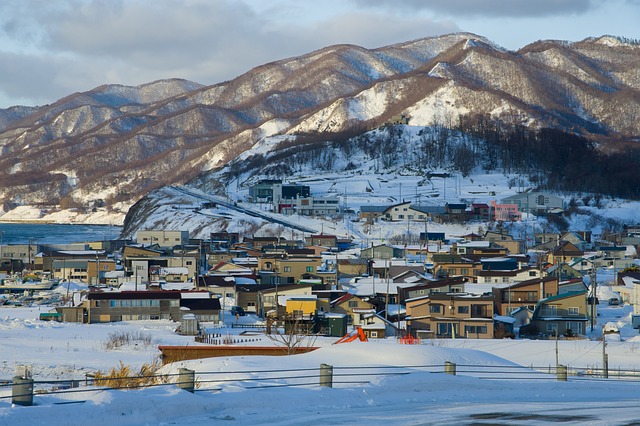
In my professional view, the most successful itineraries in 2026 are those that dedicate 30% of their time to the “unscripted.” For every day spent in the neon chaos of Shinjuku, you must spend a day in a location like the Kunisaki Peninsula or the San’in Coast. Japan is currently experiencing a “Premium Pivot”—where the best value is found not in the cheapest options, but in high-quality, boutique experiences in rural prefectures that are hungry for international visitors. If you want the Japan you’ve dreamed of, you have to be willing to look exactly where the guidebooks stop printing maps.
KEYWORDS: shinkansen train, kyoto street, japan luggage delivery
Photo: Pixabay / Pixabay License