AKIO NARIMATSU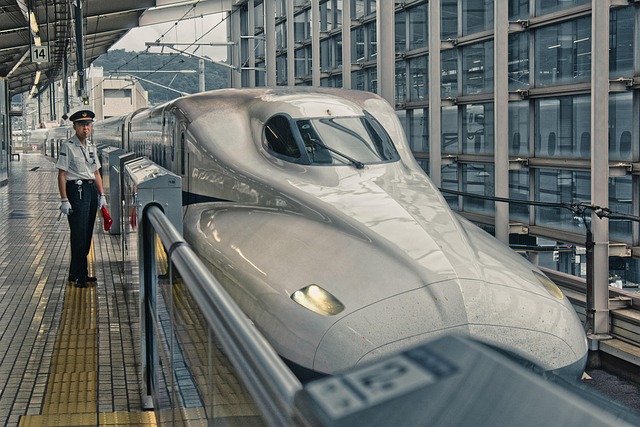
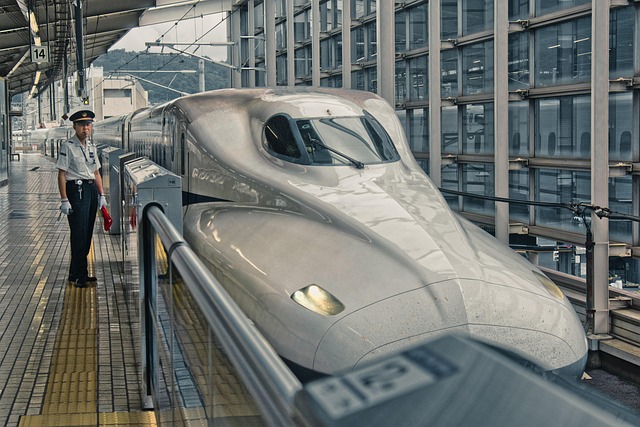
- Adopt a “Hub-and-Spoke” Strategy: Instead of changing hotels every two days, base yourself in a central city like Osaka or Tokyo and use the Shinkansen for day trips to surrounding areas like Kyoto, Nara, or Hiroshima.
- Leverage Overnight Luggage Forwarding: Use “Takkyubin” services to send your heavy bags from one hotel to the next, allowing you to travel light and fast between cities during the day without hunting for coin lockers.
- The 6:00 PM Transit Rule: Most temples and museums close by 5:00 PM. Use the evening hours for inter-city travel so you don’t waste precious daylight hours sitting on a train.
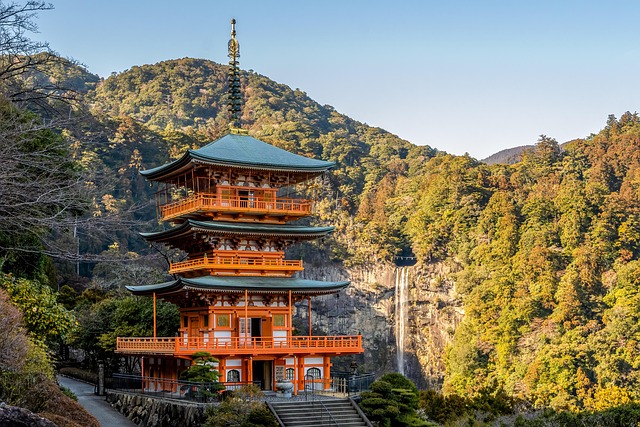
- Curate Your Shrine Experience: To avoid “temple burnout,” select one major landmark per city and leave the rest of the day for spontaneous exploration rather than trying to visit every recommended site in the guidebook.
The Itinerary Paradox: Why More Usually Means Less
The greatest challenge facing the modern traveler to Japan isn’t a lack of information; it’s an abundance of it. Most guidebooks and social media influencers present an idealized version of a multi-city circuit that suggests you can comfortably see Tokyo, Kyoto, Osaka, Nara, and Hiroshima in a single ten-day window. They fail to mention the “invisible exhaustion” of the constant check-in and check-out cycle. The genuine frustration travelers face is the realization on day four that they haven’t actually experienced Japan—they’ve merely experienced its train stations, hotel lobbies, and the interior of a suitcase. The pressure to “optimize” often leads to a vacation that feels more like a logistics exercise than a holiday.
Field-Tested Workarounds for the Ambitious Traveler
The secret to a successful high-speed itinerary is geographical consolidation. One of the most effective field-tested hacks is treating the Kansai region as a single entity. While many feel a self-imposed pressure to stay in both Kyoto and Osaka, the 15-minute Shinkansen hop between them makes hotel hopping entirely unnecessary. By basing yourself in Osaka—which often offers more vibrant nightlife and competitive luxury hotel rates—you can reach Kyoto, Nara, and even Hiroshima as stress-free day trips, returning to the same pillow every night.
Furthermore, consider the “Half-Day Pivot.” Instead of dedicating full days to smaller cities like Nara or Miyajima, pair them with an early morning start and return to your hub by mid-afternoon. By grouping destinations not by their fame, but by their proximity to specific rail lines, you can reclaim hours of your vacation. For instance, a trip to Hiroshima is best executed by taking the first train of the morning, visiting the Peace Memorial, and then heading directly to Miyajima for the afternoon tide, rather than trying to split these into two separate, sluggish days.
A Master’s Perspective: Finding the “Ma” in Your Travel
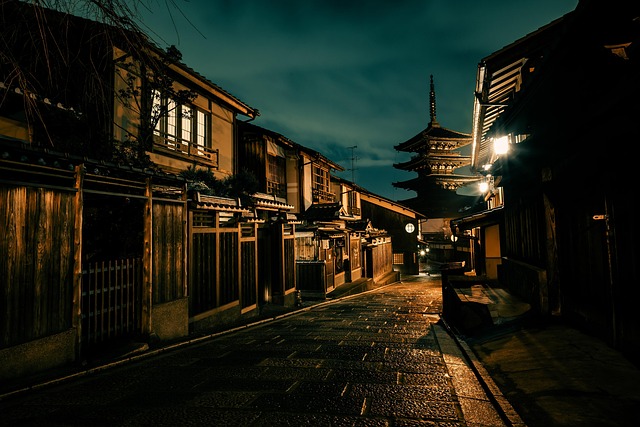
In Japanese aesthetics, there is a concept called “Ma”—the beauty and necessity of empty space. As an industry veteran, I have observed that the most successful itineraries are those that respect this principle. A perfect trip to Japan is not a checklist; it is a narrative. When you over-compress your schedule to fit “one more city,” you lose the ability to linger over a bowl of artisan ramen in a quiet alley or watch the late afternoon light change over a Zen garden. These are the moments that define a trip, yet they are the first to be sacrificed on a crowded schedule.
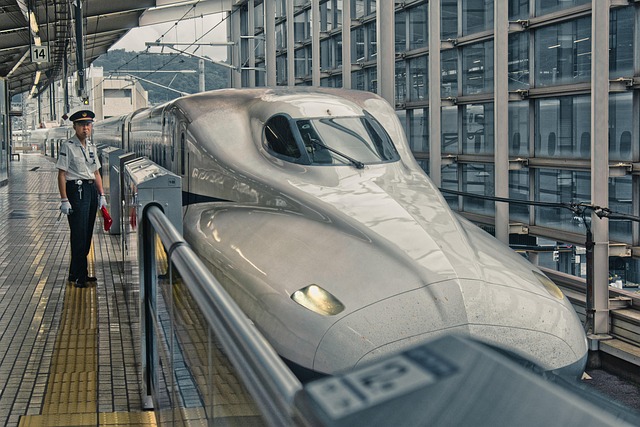
The true luxury of travel in Japan is the unparalleled efficiency of its infrastructure. Because the rail system is so precise, you don’t need to live out of a suitcase to see the breadth of the country. My professional advice is always the same: pick two “home bases” for a two-week trip and let the rail pass do the heavy lifting. You will find that the memories you didn’t plan for—the ones that happened because you had the “empty space” to breathe—will be the most enduring highlights of your journey.
KEYWORDS: shinkansen train, kyoto temple, travel planning
Photo: Pixabay / Pixabay License