AKIO NARIMATSU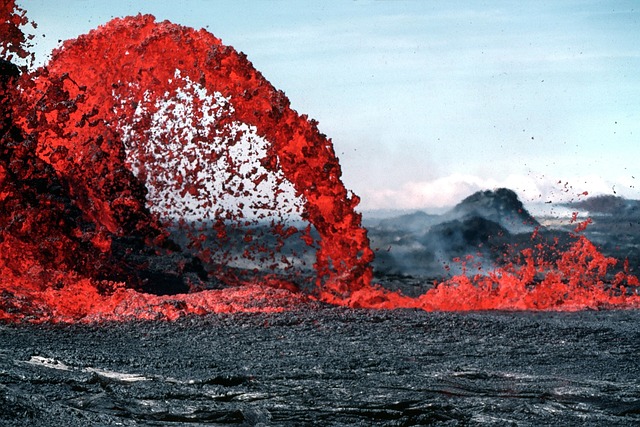
Essential Strategies for Your Kyushu Expedition
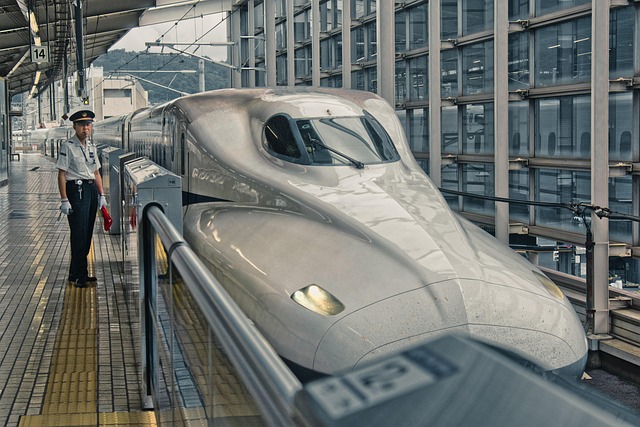
- Secure the JR Kyushu Rail Pass early: Unlike the nationwide pass, the regional Kyushu versions (Northern, Southern, or All Kyushu) offer incredible value and include some of Japan’s most beautifully designed “D&S” (Design and Story) sightseeing trains.
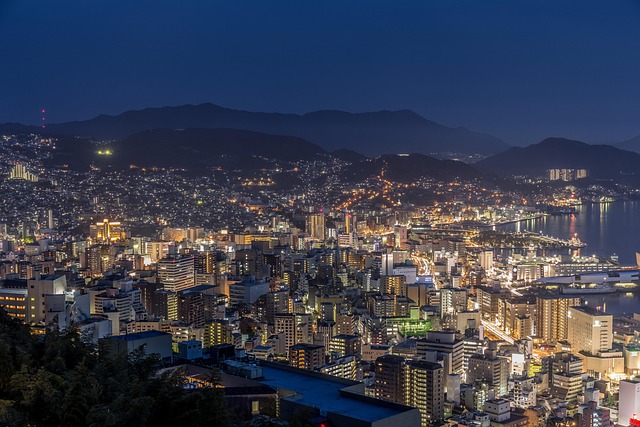
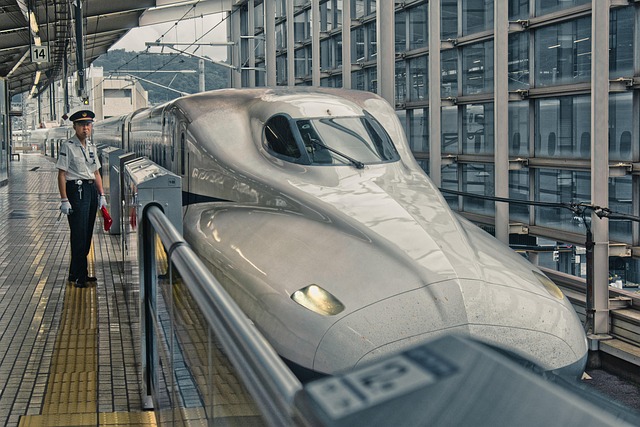
- Adopt the “Hub and Spoke” method: Establish Fukuoka (Hakata) as your primary base. Its proximity to the airport and status as a shinkansen terminal makes it the most efficient launchpad for day trips to Nagasaki or Kumamoto.
- Consider a hybrid transport model: While trains are perfect for the coast, the volcanic interior of Mount Aso and the hot spring villages of Kurokawa are best accessed via a rental car to avoid restrictive bus schedules.
- Monitor volcanic activity in real-time: Destinations like Mount Aso and Sakurajima are active. Always check the Japan Meteorological Agency’s volcanic warnings 24 hours before heading into the central highlands.
The Invisible Barrier: The “Distance Delusion”
The most significant frustration travelers face when planning a trip to Kyushu is what I call the Distance Delusion. Most guidebooks present Kyushu as a compact alternative to Honshu, leading visitors to believe they can “do it all” in five days. However, the island’s geography is defined by a rugged, volcanic spine that dictates travel times far more than mileage suggests.
Standard itineraries often underestimate the transit time between the eastern hot spring capital of Beppu and the western historical port of Nagasaki. Because the high-speed Shinkansen lines primarily hug the western and southern coasts, crossing the center of the island requires navigating winding mountain roads or slower local rail lines. The result? Travelers often spend more time staring at the back of a bus seat than soaking in an onsen or exploring samurai districts.
Field-Tested Solutions for the Modern Explorer
Through years of navigating these southern routes, I have identified several workarounds that elevate a standard itinerary into a seamless experience. One of the most effective hacks is utilizing the Highway Bus network. While most visitors reflexively reach for a rail pass, Kyushu’s “SUNQ” bus pass covers nearly every corner of the island, including those remote high-altitude ryokan towns where the train tracks simply don’t reach.
Another insider secret involves the strategic use of luggage forwarding (Takkyubin) specifically for the “Trans-Kyushu” route. If you are moving from Kumamoto to Beppu through the Aso region, don’t haul your suitcases. The local trains and buses in this area have limited luggage racks. Send your main bags ahead to your next major hotel and carry only a backpack for your overnight stay in the mountains. This freedom allows you to hop off the bus at scenic viewpoints like the Daikombo Lookout without being tethered to a locker.
Unlocking the Central Highlands
For those looking to escape the tourist crowds of Kyoto, the Kuju Mountain Range offers a high-altitude plateau experience that feels more like the Scottish Highlands than suburban Japan. The key here is to stay in Kurokawa Onsen, but rather than just visiting for the day, book a ryokan that offers a “Nyuto Tegata” (spa hopping pass). This allows you access to three different outdoor baths across the village, providing a comprehensive “forest bathing” experience that most fast-paced tours skip entirely.
The Insider’s View: Why Kyushu is Japan’s New Frontier
From my perspective within the industry, Kyushu represents the evolution of Japanese tourism. While the “Golden Route” (Tokyo-Kyoto-Osaka) is increasingly grappling with over-tourism, Kyushu offers a sustainable alternative that maintains a high level of “omotenashi” (hospitality) without the crushing crowds. The island is currently experiencing a culinary renaissance, leveraging its position as the “Gateway to Asia” to blend traditional Japanese flavors with subtle continental influences.
Pro Tip: If you find yourself in Fukuoka, skip the famous tourist-trap ramen stalls and look for “Yatai” (open-air food stands) in the Nagahama or Tenjin districts. These are where the locals gather, and they offer a visceral, authentic connection to the city’s social fabric that no five-star restaurant can replicate. Kyushu isn’t just a destination to be seen; it is a region to be felt, tasted, and navigated with intention.
KEYWORDS: kyushu volcanic landscape, japanese hot spring ryokan, fukuoka street food stalls
Photo: Pixabay / Pixabay License