AKIO NARIMATSU
Quick-Start Guide: Essential Tactics for Your Japan Journey
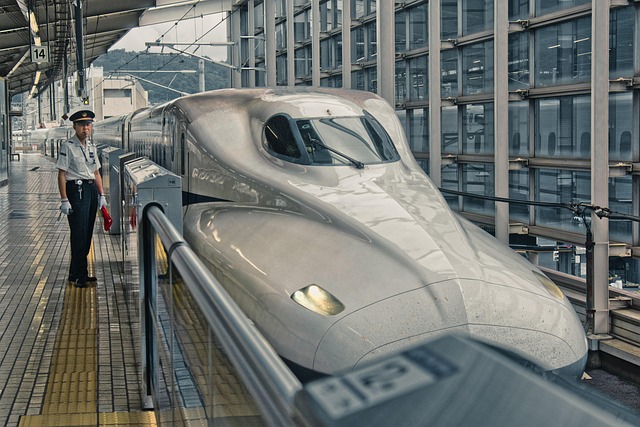
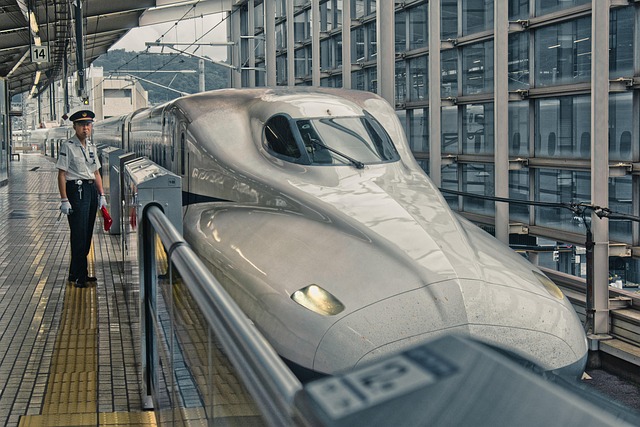
- Adopt the Carry-On Lifestyle: Japan’s infrastructure—from narrow train aisles to multi-story subway stations without elevators—punishes heavy packers. Stick to a high-quality 40L backpack to maintain agility and avoid the logistical nightmare of oversized luggage on the Shinkansen.
- The Digital Lifeline: Download Google Lens immediately. While many menus have photos, the ability to translate kanji-heavy ingredient lists in real-time is the difference between a culinary discovery and a dietary mishap.
- Master the IC Card Ecosystem: Whether it’s Suica, Pasmo, or Icoca, these aren’t just for trains. Load your card with 5,000 yen immediately to pay for vending machines, convenience stores, and even lockers, drastically reducing your reliance on heavy coin change.
- The “One-Big-Thing” Rule: Structure your day around exactly one must-see landmark. Allow the rest of your time to be filled by the “white space” of Japanese neighborhood life, which is often more rewarding than the tourist site itself.
The Invisible Wall: What Guidebooks Forget to Mention
Standard travel guides excel at detailing the history of Kinkaku-ji or the neon height of Shibuya Crossing, but they rarely prepare you for the sensory and psychological stamina required for Japan. The “real” problem travelers face isn’t a lack of things to see; it is the crushing weight of the “perfect itinerary.” In Japan, the physical toll of walking 25,000 steps a day combined with the mental tax of navigating complex etiquette and transit systems can lead to a specific type of burnout by day ten.
Furthermore, there is a quiet isolation that can settle in during solo dining. Japan is a culture of curated experiences, and many restaurants are designed for either salaryman efficiency or group celebration. For the solo traveler, the “hidden” frustration is often finding that sweet spot between a lonely convenience store meal and an intimidatingly formal restaurant where you feel out of place.
Field-Tested Workarounds for the Modern Explorer
The Strategy of Gastronomic Flexibility
To bypass the stress of finding the “perfect” dinner every night, embrace the high-end Depachika (department store basement food halls). Unlike standard grocery stores, these are culinary wonderlands featuring Michelin-level bento, fresh sashimi, and regional specialties. It allows you to eat world-class food in the comfort of your yukata at your hotel, providing a much-needed mental reset from the public gaze.
Logistical Stealth with Coin Lockers
One of the most underutilized hacks is the strategic use of station lockers. Do not drag your bags to your next hotel before check-in. Instead, identify the major hub station of your next destination, drop your gear in a locker for a few hundred yen, and begin your sightseeing unencumbered. This “light-foot” approach saves hours of backtracking to hotel lobbies.
The “Reverse” Sightseeing Method
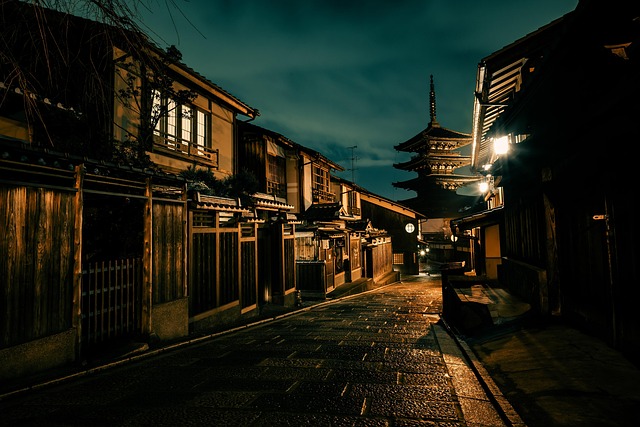
To avoid the soul-crushing crowds of Fushimi Inari or Senso-ji, ignore the “opening hours.” These sites are often accessible 24/7. Arriving at a shrine at 6:00 AM or 11:00 PM offers a spiritual, silent experience that is fundamentally different—and far more authentic—than the mid-day tourist crush. The lighting at night often transforms these spaces into something cinematic and deeply personal.
The Insider’s Perspective: Beyond the Checklist
As someone who has spent years analyzing the flow of tourism within the archipelago, I’ve observed that the most successful travelers are those who stop viewing Japan as a gallery of monuments and start viewing it as an atmosphere to be inhabited. The magic of Japan isn’t found in the Golden Pavilion itself, but in the specific way the moss grows in the temple gardens, or the rhythmic melody of the station departure chimes.
Solo travel in Japan is a rare opportunity for “active solitude.” It is perhaps the only country on earth where being alone is not seen as a deficit, but as a respected state of being. Whether you are sitting at a six-seat ramen counter in an Osaka alley or watching the deer in Nara, the goal is to stop “collecting” sights and start practicing presence. When you stop worrying about the 18-day checklist, the country finally begins to reveal its true character to you.
KEYWORDS: solo travel japan, tokyo street photography, kyoto zen garden
Photo: Pixabay / Pixabay License