AKIO NARIMATSU
Essential Strategies for Your Next Japanese Odyssey
- Leverage the “Takkyubin” Advantage: Never haul heavy suitcases through crowded train stations. Use luggage forwarding services to send your bags between hotels for a nominal fee, allowing you to travel hands-free and stress-free.
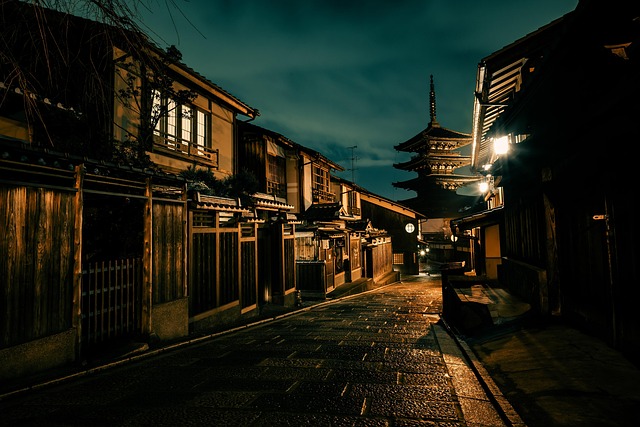
- Master the “Early Bird” Protocol: To experience the spiritual serenity of Kyoto’s shrines or Tokyo’s iconic crossings without the suffocating crowds, arrive no later than 7:30 AM. By 10:00 AM, the atmosphere shifts from magical to commercial.
- Embrace the “Depachika” Dining Strategy: For high-end culinary quality without the restaurant premium, head to the basement levels of major department stores like Isetan or Mitsukoshi. They offer curated, gourmet bento boxes and delicacies that rival Michelin-starred establishments.
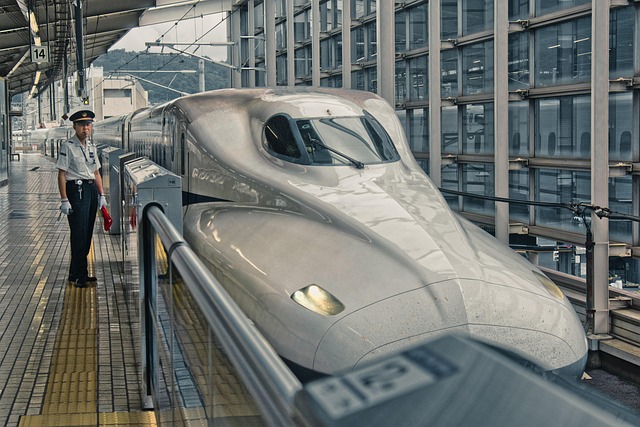
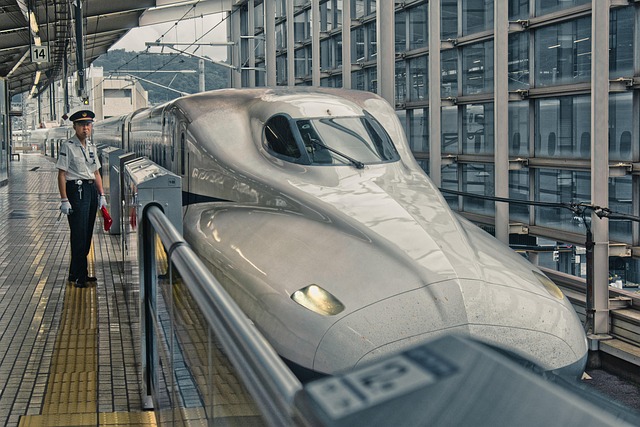
- The IC Card is Your Best Friend: Beyond trains, your Suica or Pasmo card is a universal payment tool for vending machines, convenience stores, and even some lockers. Keep it topped up to minimize time spent at confusing ticket kiosks.
The Invisible Burden of the “Golden Route”
Standard guidebooks excel at listing the “what” and “where,” but they consistently fail to address the “how it feels.” The most genuine frustration for the modern traveler in Japan isn’t getting lost—it’s the crushing weight of choice paralysis and sensory fatigue. Travelers often find themselves sprinting through a checklist of “must-see” temples and neon-lit districts, only to realize by day five that every shrine is beginning to look identical and their feet are blistered beyond repair. The “real” problem is the unspoken pressure to optimize every second, which often leads to a hollow experience where you are physically present but emotionally exhausted.
Field-Tested Workarounds for the Savvy Traveler
To bypass the common pitfalls of the tourist circuit, one must look toward nuanced, field-tested hacks that prioritize quality of movement over quantity of sites. One of the most effective solutions is the “Secondary City Pivot.” While Tokyo and Kyoto are essential, the most profound experiences often happen in the “B-side” neighborhoods. Instead of fighting the crowds in Gion, seek out the atmospheric canals of Kurashiki or the quiet craftsmanship of Kanazawa.
Another insider workaround involves the “Hyper-Local Dining Rule.” If a restaurant has an English menu displayed prominently outside with photos, it is likely a tourist trap. Seek out the “Noren” (fabric dividers) in back alleys where the menu is handwritten. These spots often provide the most authentic interactions and superior flavors at a fraction of the cost. Additionally, utilize the “Transit Buffer”—always schedule a “zero-itinerary” day every four days to decompress and wander aimlessly. This is often when the most memorable, unscripted moments occur.
An Insider’s Perspective: Moving Beyond the Surface
From my vantage point within the travel industry, the most successful trips to Japan are those that treat the country not as a museum, but as a living, breathing ecosystem. We are seeing a significant shift away from “sightseeing” toward “experience-seeking.” The value of your trip isn’t measured by how many UNESCO sites you photographed, but by the depth of your engagement with the culture.
In the coming years, the savvy traveler will focus on seasonal micro-climates and regional specialties. Japan’s true beauty lies in its hyper-seasonality—the specific week a certain plum blossom blooms or the regional variation of a simple dashi broth. To truly “master” Japan, you must be willing to put down the guidebook, ignore the top-ten lists, and allow the rhythm of the local life to dictate your pace. The goal isn’t just to see Japan; it’s to understand the quiet precision that makes it function.
KEYWORDS: Kyoto temple morning, Japan luggage delivery, Tokyo department store food
Photo: Pixabay / Pixabay License