AKIO NARIMATSU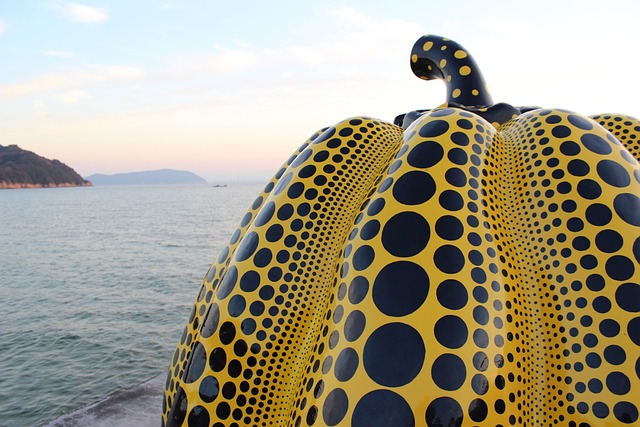
Pro Tips for Your Western Japan Expedition
- Secure museum slots early: If Naoshima is on your itinerary, the Chichu Art Museum is non-negotiable, but it requires booking weeks in advance. Do not rely on walk-ins for the most iconic installations.
- The E-Bike Mandate: When visiting the art islands like Naoshima, ignore the manual bicycle rentals. The terrain is deceptively hilly; a power-assisted electric bike is the difference between a scenic tour and a grueling workout.
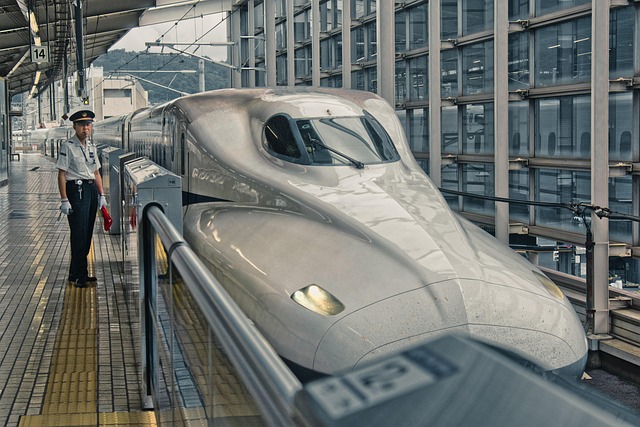
- Strategic Home-Basing: Use Okayama as your logistical hub. Its position on the Sanyo Shinkansen line makes it a superior “launchpad” for day trips to Kurashiki, Hiroshima, or the ferry ports, often saving you two to three hours of transit time per day.
- Master the Luggage Forwarding (Takkyubin): To truly enjoy the transition from Kyushu to Honshu, ship your heavy suitcases from Fukuoka to Okayama or Kyoto. Navigating regional ferries and local trains with large bags is the primary cause of traveler burnout.
The “Discovery Paradox”: What Guidebooks Hide
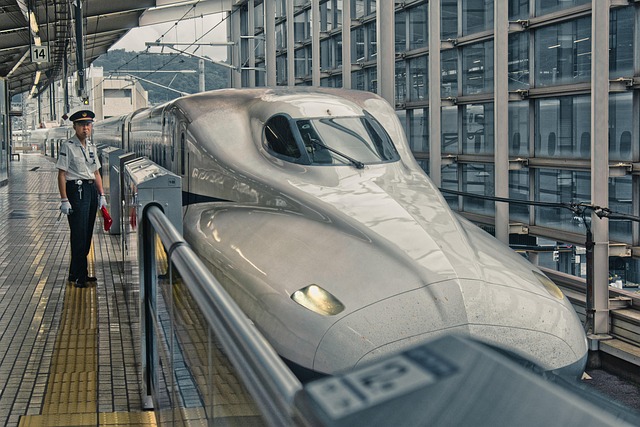
Most travelers arrive in Japan expecting a seamless blend of Zen tranquility and high-tech efficiency. However, the reality of the “Golden Route” often reveals a different story: the “Discovery Paradox.” Guidebooks list sites like Dazaifu Tenmangu or Kurashiki’s Bikan District as “must-sees,” but they fail to mention the claustrophobia of mid-day crowds that can strip the soul out of a historical site. The frustration isn’t just the volume of people; it is the logistical friction of “the last mile”—that complicated gap between arriving at a major Shinkansen station and actually standing in front of the landmark you traveled thousands of miles to see.
Field-Tested Strategies for a Seamless Journey
Fukuoka: The Culinary Entry Point
While many start in Tokyo, beginning in Fukuoka offers a softer, more flavorful introduction to Japan. The city’s “Ramen Stadium” may sound like a tourist trap, but it is actually a highly efficient way to sample regional styles from across the country in one location. Beyond the food, Dazaifu Tenmangu offers a profound architectural lesson, but the professional secret is to look past the main shrine and focus on the contemporary interventions, such as the Kengo Kuma-designed Starbucks, which bridges the gap between the ancient and the modern.
The Setouchi Logistics Hack
The art islands of the Seto Inland Sea are the crown jewels of modern Japanese tourism, but they are a logistical puzzle. Beyond the pre-booked tickets, the “hidden” workaround is timing your arrival with the ferry schedules from Uno Port rather than Takamatsu if you are coming from the north. Once on Naoshima, the “Yellow Pumpkin” is the photo op everyone wants, but the true value lies in the Art House Project in Honmura, where traditional homes are converted into immersive installations. This requires a different pace—one that rewards those who stay overnight in the region rather than rushing back to a major city.
Kurashiki After Dark
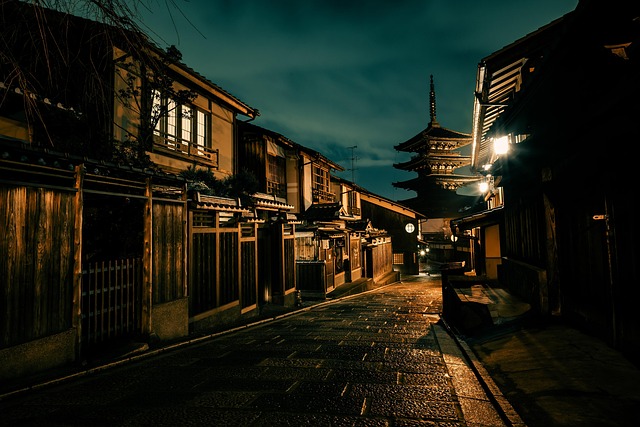
The Bikan Historical Quarter in Kurashiki is often criticized for being “too commercial” during the day. The professional solution? Arrive in the late afternoon. As the day-trippers vanish and the shop shutters close, the canal district undergoes a metamorphosis. The evening illumination is subtle and masterful, transforming the white-walled storehouses into a landscape that feels authentic to the Edo period. It is in these quiet hours that the “real” Japan reveals itself.
The Insider Perspective: The Shift Toward the Second City
As an industry insider, I’ve observed a definitive shift in the luxury and enthusiast travel sectors. We are moving away from the “Tokyo-Kyoto-Osaka” triangle and toward “Second City” tourism. Regions like Okayama and Fukuoka are no longer just transit points; they are the new centers of gravity. They offer a density of culture without the overwhelming density of crowds found in the capital. To travel Japan well in the current climate is to embrace the “middle” of the country—the Chugoku and Kyushu regions—where the infrastructure is just as polished, but the experience remains remarkably personal. The future of Japan travel isn’t about seeing more things; it’s about seeing fewer things with more clarity and less haste.
KEYWORDS: Naoshima art island, Kurashiki canal, Japan travel tips
Photo: Pixabay / Pixabay License