AKIO NARIMATSU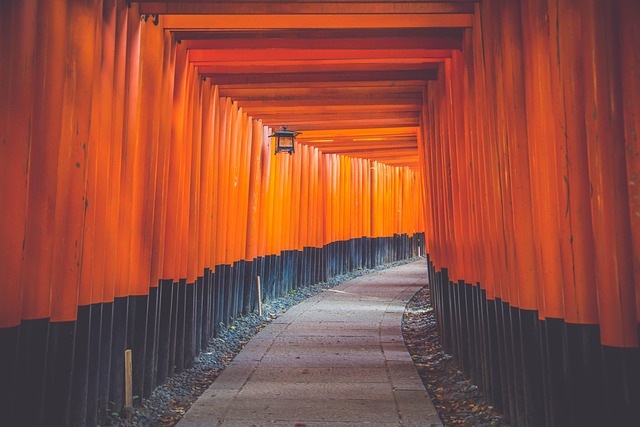
Essential Tactics for an Optimized Japan Spring Itinerary
- Secure Alpine Route “Web Tickets” exactly 60 days out: Do not rely on local ticket office availability for the Tateyama Kurobe Alpine Route. Reservation windows for the mandatory cable car from Ogizawa or Tateyama Station open weeks in advance; missing this window can result in a four-hour wait in the terminal.
- Leverage the “Hands-Free” Luggage System: When traversing the Northern Alps from Kanazawa to Matsumoto, use the specialized same-day luggage forwarding service. Drop your bags at the station by 9:00 AM, and they will be waiting for you at your destination hotel by 6:00 PM, allowing you to navigate six different modes of mountain transport unencumbered.
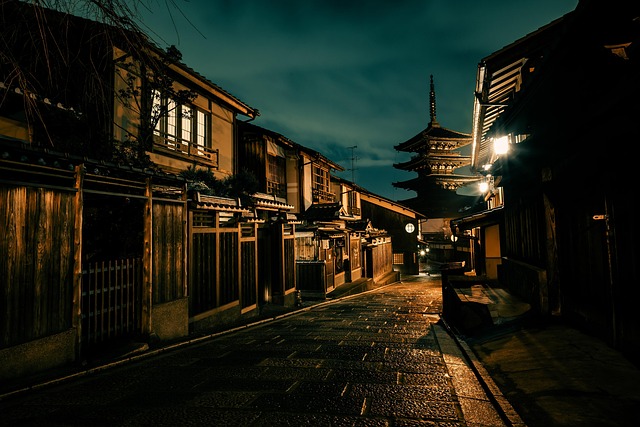
- The 6:00 AM Rule for Kyoto: If you arrive at Fushimi Inari or the Arashiyama Bamboo Grove at 8:00 AM, you are already two hours too late. To experience these sites without the wall-to-wall crowds, you must be on the first trains of the morning.
- Prioritize Kanazawa over Kyoto for Gardens: While Kenroku-en is world-famous, it often feels more manageable and authentic than the crowded temple gardens of Kyoto. Allocate at least two full days here to appreciate the Edo-period architecture without the “over-tourism” fatigue.
The Invisible Barrier: The Logistical “Mid-May Trap”
Standard guidebooks often label mid-May as the “perfect” time to visit Japan—the weather is mild, and the chaos of Golden Week has subsided. However, they fail to mention the logistical bottleneck created by the domestic school excursion season and the opening of the Snow Wall. While international crowds are manageable, thousands of Japanese students and retirees flood the Alpine Route and Kyoto’s historical districts simultaneously.
The genuine frustration travelers face isn’t a lack of things to see, but the “transportation fatigue” that sets in when trying to link the Japan Alps with the classic Golden Route. Transitioning from the high-altitude serenity of Murodo to the neon saturation of Osaka requires more than just a JR Pass; it requires a strategic understanding of regional flow and the physical toll of Japan’s vertical geography.
Field-Tested Workarounds for the Modern Explorer
Mastering the Alpine Route Transition
The mistake most travelers make is attempting the Tateyama Kurobe Alpine Route as a day trip from a major hub. To do it like a professional, stay the night before in Kanazawa and the night after in Matsumoto. This “west-to-east” flow moves against the heaviest tour group traffic. Furthermore, when visiting the Snow Wall at Murodo, bypass the initial crowded photo spots and trek toward the Mikurigaike Pond. The snow remains deep, but the crowds thin out by 70% within a ten-minute walk.
The “Single Rider” Strategy in Osaka
For those visiting Universal Studios Japan (USJ) to see Super Nintendo World, the frustration of “Timed Entry” tickets is real. If you fail to secure an Area Timed Entry Ticket via the app, your best secondary move is the Single Rider line for attractions like Mario Kart: Koopa’s Challenge. This frequently cuts a 120-minute wait down to 35 minutes, allowing you to spend more time exploring the immersive environment of the park rather than standing in a concrete queue.
The Kanazawa Culinary Shortcut
Omicho Market in Kanazawa is legendary for seafood, but the lunch queues can be grueling. The insider hack is to head to the basement level or the smaller side stalls for Kaisen-don (seafood bowls). The quality is identical to the “famous” upstairs shops, but the wait times are non-existent. This saves precious hours that are better spent at the 21st Century Museum of Contemporary Art.
An Industry Insider’s Perspective: The “New” Golden Route
In the current travel climate, the traditional Tokyo-Kyoto-Osaka “Golden Route” is becoming increasingly saturated. As an industry professional, I am seeing a definitive shift toward the “Three-Star Road” (Kanazawa, Shirakawa-go, Takayama, and Matsumoto). This corridor offers a much more profound look at Japan’s cultural soul while providing the dramatic natural contrast of the Northern Alps.
My recommendation for the modern traveler is to treat Matsumoto as more than just a stopover for its castle. It is a sophisticated mountain city with a thriving craft beer and coffee scene that serves as the perfect “decompression chamber” after the intensity of Tokyo. By balancing the high-octane energy of the megacities with the logistical precision required for the Alpine Route, you don’t just see Japan—you master the art of navigating it.
KEYWORDS: tateyama kurobe alpine route, kanazawa street, fushimi inari shrine
Photo: Pixabay / Pixabay License