AKIO NARIMATSU
Essential Tips for Your Next Japanese Adventure
- Leverage the “Takkyubin” System: Do not drag large suitcases through crowded train stations. Use luggage forwarding services to send your bags from one hotel to the next for a nominal fee, allowing you to travel hands-free.
- Digital Transit Integration: Add a digital Suica or Pasmo card to your smartphone’s wallet before you land. This eliminates the need to fumble with ticket machines and works seamlessly for both transit and convenience store purchases.
- The 10:00 AM Rule: Popular districts like Asakusa or Arashiyama become saturated by mid-morning. Aim to arrive by 8:00 AM to experience the serenity of these sites, then retreat to quieter residential neighborhoods once the tour buses arrive.
- Strategic Hydration: While vending machines are everywhere, carry a reusable bottle. Many department store basements (depachika) and modern “Machino-eki” rest stops offer free high-quality water refills, saving you both yen and plastic.
The Invisible Exhaustion of the “Golden Route”
Most guidebooks present a 21-day itinerary as a seamless checklist of icons: the neon of Shinjuku, the gold of Kinkaku-ji, and the deer of Nara. What they fail to mention is the “temple fatigue” and physical toll that sets in around day ten. Travelers often underestimate the sheer volume of walking required—frequently exceeding 20,000 steps a day on hard pavement—and the cognitive load of navigating the world’s most complex transit systems. The real frustration isn’t missing a shrine; it’s the moment you realize you are too exhausted to enjoy the Michelin-starred dinner you booked months in advance.
Field-Tested Strategies for a Balanced Itinerary
To navigate a three-week journey without burning out, professional travelers use a “base-camp” strategy. Instead of moving hotels every two days, choose strategic hubs. Ueno in Tokyo offers direct access to Narita and northern day trips, while staying near Kyoto Station allows for effortless evening returns from Osaka or Nara. This minimizes the “packing and unpacking” tax on your energy.
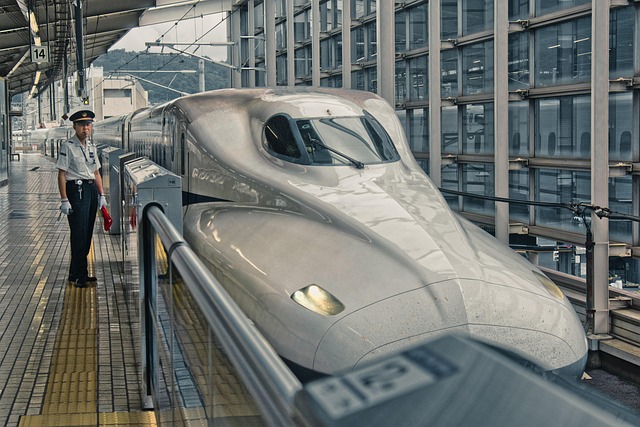
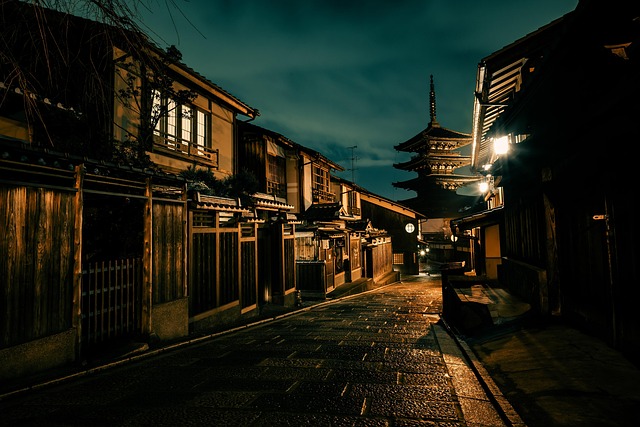
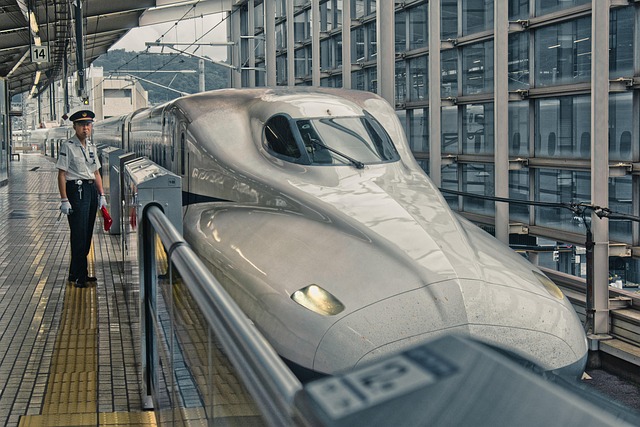
Another insider workaround for the crowded streets of Kyoto is to flip the traditional schedule. Visit the major landmarks at sunrise, then spend the afternoon exploring “secondary” cities like Uji for tea culture or the lakeside charms of Otsu. These spots offer the same historical depth with a fraction of the foot traffic. Furthermore, when planning your route between Tokyo and Kyoto, consider a stopover in Shizuoka or Kanazawa to break the transit time and see a side of Japan that isn’t just a blur through a Shinkansen window.
The Insider Perspective: Quality Over Quantitative Coverage
In the travel industry, we see a recurring mistake: the “completionist” mindset. Travelers feel compelled to see every “Top 10” site, resulting in a trip that feels like a commute rather than a vacation. My professional recommendation for a 21-day trip is to adopt a 70/30 rule. Allocate 70% of your time to the must-see cultural anchors, but leave 30% entirely unscripted.
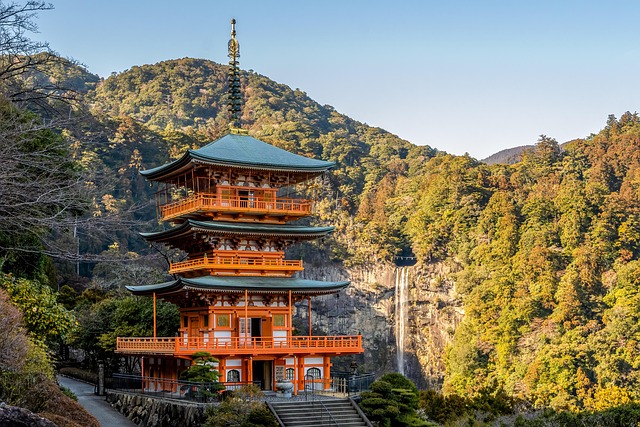
Japan is a country where the most profound experiences happen in the “in-between” moments—a conversation with a craftspener in a back-alley workshop, or stumbling upon a local festival in a neighborhood park. If your itinerary is booked from 8:00 AM to 10:00 PM, you close the door on serendipity. True luxury in Japanese travel isn’t a five-star hotel; it is the flexibility to stay an extra hour at a moss-covered temple because the light is hitting the trees just right.
KEYWORDS: japan travel itinerary, kyoto temple, tokyo city street
Photo: Pixabay / Pixabay License