AKIO NARIMATSU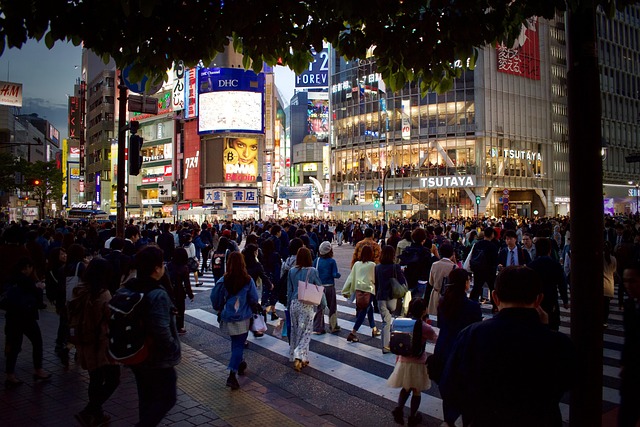
Essential Tips for a Seamless Tokyo Arrival
- Digitalize Your Transit: Skip the ticket kiosks and immediately add a digital Suica or Pasmo card to your smartphone’s wallet. This allows for seamless “tap-and-go” entry at turnstiles and instant top-ups, saving you hours of cumulative frustration at vending machines.
- The “One-Bag” Transit Rule: Tokyo’s major stations like Shinjuku and Shibuya are labyrinthine. If you are moving between hotels, utilize “Takkyubin” luggage forwarding services. For a modest fee, your bags will meet you at your next destination, sparing you from navigating rush-hour crowds with heavy suitcases.
- Strategic Geographic Clustering: Divide Tokyo into quadrants. Spend one full day in the East (Asakusa, Ueno, Akihabara) and another in the West (Shibuya, Harajuku, Shinjuku). Crossing the city mid-day is the single biggest drain on your limited vacation time.
- The 30-Day Booking Window: Popular attractions like the Ghibli Museum or high-demand immersive art installations require bookings exactly one month in advance. Mark your calendar for the specific release times in Japan Standard Time to avoid being shut out.
The Invisible Exhaustion: What Guidebooks Ignore
Most travel guides present Tokyo as a sparkling, efficient playground where everything is a ten-minute train ride away. They rarely mention the physical and cognitive tax of navigating the world’s most complex urban environment. The “real” problem for travelers on a five-day itinerary isn’t a lack of things to see; it is “Subway Fatigue.”
Navigating stations that see millions of commuters daily requires constant vigilance. By day three, many visitors find themselves mentally drained by the sheer volume of signage, the endless walking between platform transfers, and the sensory bombardment of neon and noise. This fatigue leads to “itinerary collapse,” where travelers spend the second half of their trip too exhausted to enjoy the very landmarks they flew thousands of miles to see.
Field-Tested Strategies for the Urban Explorer
To bypass the common pitfalls of a short-stay itinerary, veteran travelers rely on a “Hub-and-Spoke” movement pattern. Rather than bouncing between disparate landmarks, choose one “anchor” neighborhood per day. For example, if you are visiting the Tsukiji Outer Market in the morning, remain in the Ginza or Marunouchi area for the afternoon. This reduces your time underground and increases your time experiencing the city’s atmosphere.
Another insider hack involves the “Depachika” strategy for dining. If you are too tired to navigate a complex reservation system or wait in a 60-minute line for ramen, head to the basement of major department stores like Isetan or Mitsukoshi. These food halls offer gourmet, chef-prepared meals of a quality that rivals many sit-down restaurants, perfect for a high-end picnic in a local park or back at your hotel when your feet need a break.
The Insider’s Perspective: Depth Over Breadth
In my years observing the evolution of Japanese tourism, the most successful travelers are those who treat Tokyo not as a checklist, but as a collection of distinct villages. A five-day trip is not enough to “see Tokyo,” but it is the perfect amount of time to feel it. I always advise my clients to leave one afternoon completely blank. No reservations, no pinned locations on a map.
Walk out of a minor station on the Yamanote line—perhaps Yanaka or Ebisu—and simply wander. It is in these quiet residential alleys, where the hum of the city fades into the sound of a local craftsman at work or the scent of a neighborhood bakery, that you find the authentic soul of Japan. The true luxury of travel in Tokyo isn’t seeing the tallest tower; it’s the discovery of a hidden tea house that hasn’t changed in forty years. Prioritize these moments of serendipity over the crowded “must-sees,” and you will find your five days infinitely more rewarding.
KEYWORDS: tokyo street neon, shibuya crossing, japanese food hall
Photo: Pixabay / Pixabay License