AKIO NARIMATSU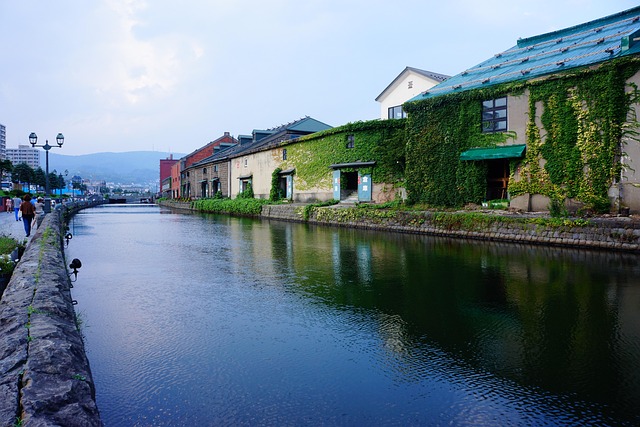
The Sapporo Strategy: Mastering Hokkaido’s Northern Capital
- Master the Chi-Ka-Ho: Utilize the Sapporo Underground Pedestrian Space that connects Sapporo Station to Susukino. It is the fastest, climate-controlled way to navigate the city center without battling surface-level traffic or weather.
- Reverse the Otaru Clock: Avoid the midday tourist rush by arriving in Otaru in the late afternoon. This allows you to witness the iconic canal gas lamps flickering to life at dusk, followed by a quiet dinner before the last trains depart.
- Secure Your “Genghis Khan” Early: Sapporo’s famous mutton BBQ is not a walk-in friendly experience at top-tier venues. Book your table at the Sapporo Beer Museum’s Lilac or Kessel halls at least two weeks in advance.
- Weight Your Itinerary Toward “Logistics Lag”: Always add a 30-minute buffer to Google Maps transit estimates in Hokkaido. The sheer scale of the stations and the potential for seasonal delays are often underestimated by first-time visitors.
The “Real” Problem: The Checklist Trap and the Distance Illusion
The most significant frustration travelers face when planning a trip to Sapporo is what I call the “Distance Illusion.” Standard guidebooks present Sapporo as a compact urban center similar to Kyoto’s downtown, but Hokkaido’s capital is a sprawling, modern grid designed with northern efficiency in mind. Travelers often pack their itineraries with a morning at the Curb Market, an afternoon at Shiroi Koibito Park, and an evening in Otaru, only to realize they have spent four hours of their day in transit or navigating massive station complexes. The “logistics lag”—the time lost between the “doing” and the “getting there”—is the silent killer of the Hokkaido experience. Guidebooks rarely mention that a “quick trip” to the Beer Museum actually requires a dedicated bus or a significant walk from the nearest subway station, often turning a one-hour visit into a half-day commitment.
Field-Tested Solutions: Beyond the Tourist Map
To reclaim your time, you must stop treating Sapporo as a series of isolated landmarks and start viewing it as a hub of interconnected “micro-zones.” Instead of rushing to the historic village or the chocolate factory as standalone trips, consolidate your northern-west movements. Pair Shiroi Koibito Park with a visit to the local baseball stadium or the nearby mountain ropeways to minimize backtracking.
For those visiting the Sapporo Beer Museum, the “insider hack” is to bypass the standard museum tour if you are short on time and head straight to the Star Hall for a tasting flight. It offers the same historical atmosphere with significantly more efficiency. Furthermore, when visiting Otaru, many travelers make the mistake of getting off at Otaru Station. Instead, disembark at Minami-Otaru Station. This allows you to walk through the charming Sakaimachi Street toward the canal, ensuring you see the best of the city’s glass shops and music box museums without doubling back on your steps.
The Insider Perspective: Sapporo as a Culinary Hierarchy
From an industry standpoint, the biggest mistake travelers make in Sapporo is failing to understand the city’s culinary hierarchy. Sapporo is not just a place to eat; it is the processing center for the highest quality produce in Japan. However, the famous “Ramen Alley” in Susukino is often a tourist bottleneck. To truly eat like a local specialist, look for “Soup Curry” establishments in the residential pockets just one or two subway stops away from the center.
In the luxury inbound sector, we are seeing a shift away from the “checklist” itinerary toward “atmospheric immersion.” The real magic of Sapporo isn’t found in a museum display, but in the transition of light over the Odori Park greenery or the steam rising from a bowl of miso ramen in a basement shop that doesn’t have an English sign. My professional advice? Choose one major “anchor” activity per day and leave the rest to the city’s natural rhythm. In Hokkaido, less is almost always more.
KEYWORDS: sapporo city street, hokkaido travel, otaru canal
Photo: Pixabay / Pixabay License