AKIO NARIMATSU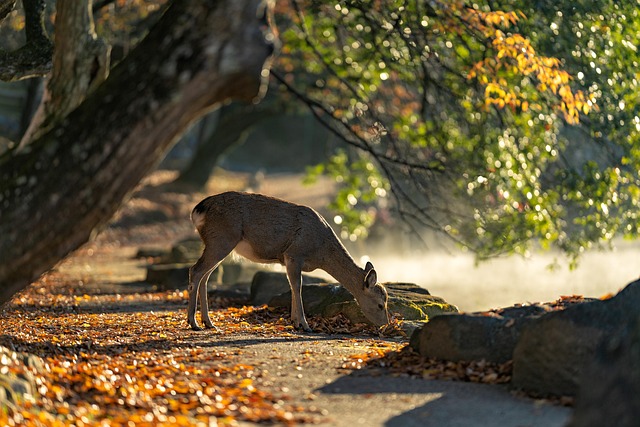
Mastering the Japanese Heartland: A Professional’s Guide to the Nagoya-Kansai Corridor
- Digitize Your Transit: Add a Suica or Pasmo card to your smartphone wallet before arrival. This eliminates the need to queue at physical kiosks and ensures seamless transfers between private and public rail lines.
- Leverage Hands-Free Travel: Use “Takkyubin” (luggage forwarding services) to send your suitcases between cities. Navigating the Nagoya or Osaka subway stations with large bags is a logistical nightmare that can be easily avoided for a modest fee.
- Book “Secondary” Gems Early: While everyone fights for Ghibli Park tickets, technical marvels like the Toyota Commemorative Museum and the SC Maglev Park in Nagoya require advanced planning to appreciate fully without the weekend rush.
- Strategic Timing for Nara: Plan your visit to Todai-ji for the late afternoon. The morning rush of tour groups is intense, but the park takes on a serene, golden atmosphere just before sunset when the crowds thin.
The Invisible Hurdle: The Logistics of Over-Optimization
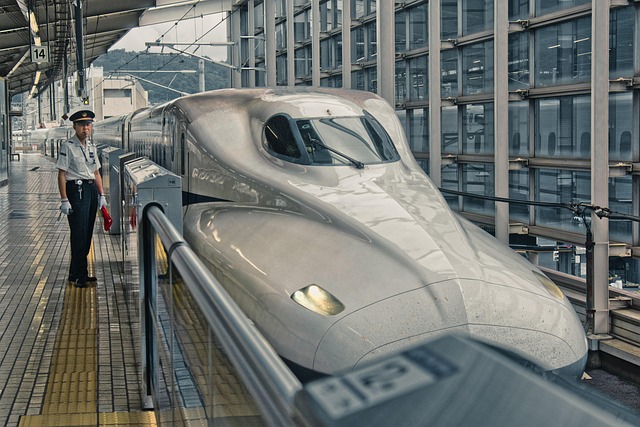
Standard guidebooks are excellent at listing “what” to see, but they consistently fail to address the “how” of modern Japanese travel. The genuine frustration for most travelers isn’t finding a good meal or a beautiful temple; it is the sheer physical and mental exhaustion caused by Japan’s legendary efficiency. We are often told that the transport system is perfect, leading us to over-schedule our days. The reality is that navigating a multi-level terminal like Nagoya Station or Osaka-Umeda is a marathon. Travelers often find themselves “temple-fatigued” by day four, not because the sites aren’t beautiful, but because the logistical friction of managing luggage, crowds, and platform transfers has drained their emotional energy.
Field-Tested Strategies for a Balanced Itinerary
To navigate the Nagoya to Osaka route like a seasoned professional, you must rethink the traditional “Golden Route” hierarchy. Nagoya is often dismissed as a mere industrial transit point, yet it serves as the perfect palate cleanser for the sensory overload of Tokyo or the historical weight of Kyoto. The industrial heritage sites—specifically the Toyota Commemorative Museum of Industry and Technology—offer a sophisticated look at Japan’s rise to a global powerhouse, providing a narrative depth that you won’t find in a Zen garden.
In Osaka, the secret to success is localized immersion. Rather than rushing between distant landmarks, dedicate an entire evening to the TeamLab Botanical Garden. Unlike the indoor versions in Tokyo, this outdoor installation utilizes the natural environment, offering a contemplative end to a high-energy day of urban exploration. Furthermore, when visiting Nara, avoid the main thoroughfare. The true magic lies in the quieter paths leading toward the Kasuga Taisha shrine, where the deer are less aggressive and the forest canopy provides a much-needed respite from the concrete heat.
The Insider’s Perspective: The Era of Experience Management
As an industry professional, I have watched Japan pivot from a destination of sights to a destination of “flow.” The most successful travelers today are those who prioritize their movement as much as their destination. We are seeing a significant shift toward the “Chubu-Kansai” link because it offers a more authentic cross-section of Japanese life—from the precision of Nagoya’s maglev technology to the earthy, boisterous food culture of Osaka.
The key to an elite-level trip is recognizing that convenience is a currency. Every time you use a luggage delivery service or a pre-booked digital ticket, you are buying back time and mental clarity. Japan is a country of exquisite details; if you are too busy worrying about your next train platform or dragging a 50-pound suitcase through a crowded station, you will miss the very nuances you traveled thousands of miles to see. The goal is to move through Japan with the same quiet efficiency as the locals, leaving you with the energy to truly engage with the culture.
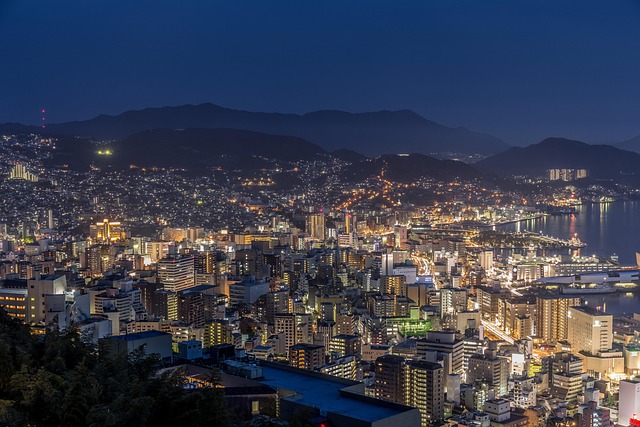
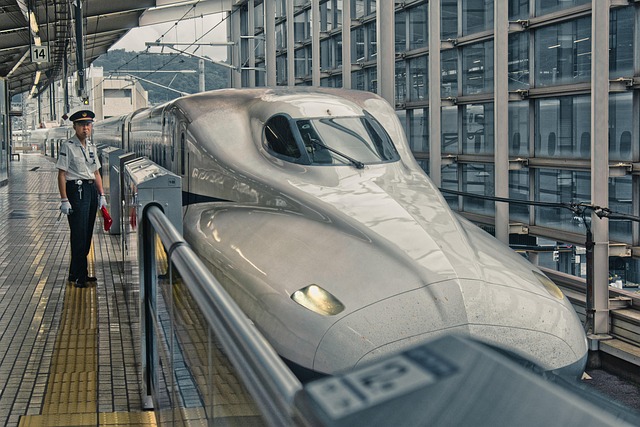
KEYWORDS: japan train travel, osaka city lights, nara deer park
Photo: Pixabay / Pixabay License